
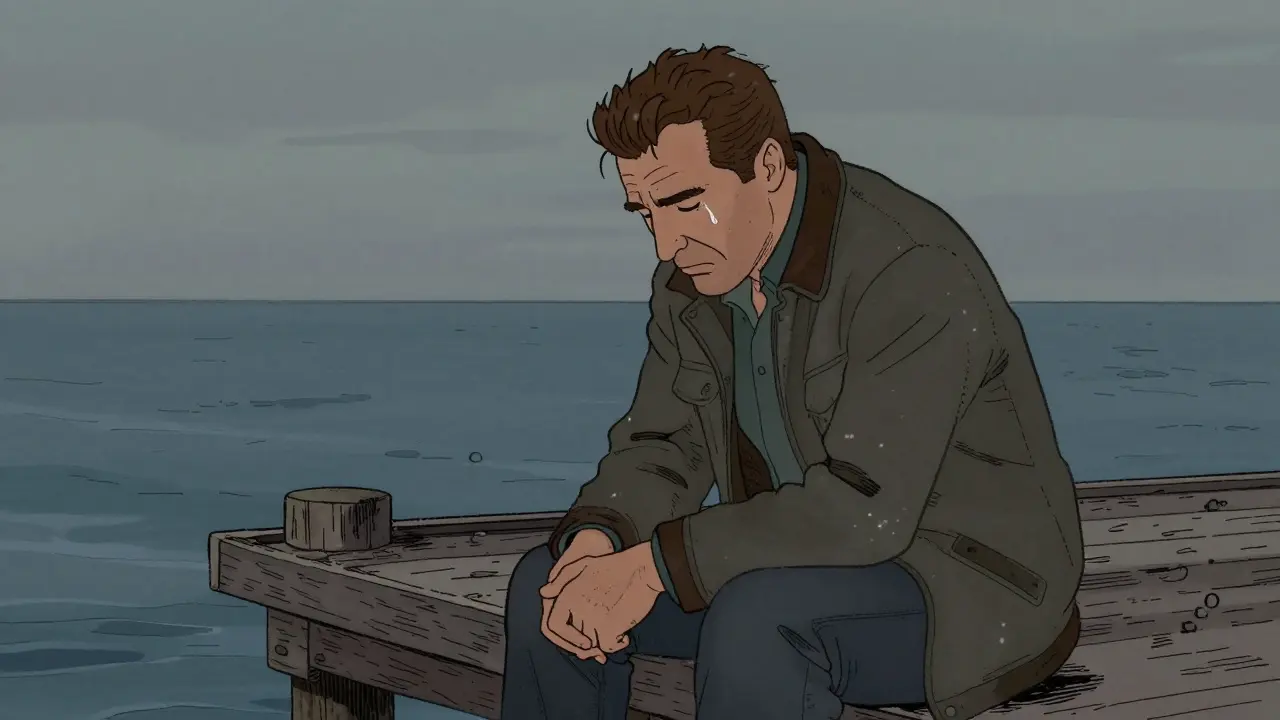
Some movies tell stories. The best drama films don’t just tell stories-they live inside you long after the credits roll. These aren’t films about big events or explosive twists. They’re about quiet moments that crack open a person’s soul. You don’t watch them. You sit with them. You feel them.
Why Character Studies Define Great Drama
Not every drama needs a war, a murder, or a heist to be powerful. The deepest dramas are the ones where nothing much happens on the outside-but everything shatters on the inside. These films focus on character arcs that unfold slowly, painfully, and truthfully. You see someone change-not because the plot forces them to, but because they can’t help it.
Think about it: when was the last time you remembered a movie because of its plot? Now think about the last time you remembered a movie because of how a character made you feel. That’s the difference. A great character study doesn’t need a twist ending. It just needs to be real.
On the Waterfront (1954)
Marlon Brando’s Terry Malloy isn’t a hero. He’s a broken man who used to be a fighter, then became a pawn, and finally finds the courage to stand up-not to a mob boss, but to himself. The famous ‘I coulda been a contender’ scene isn’t about boxing. It’s about regret. It’s about the weight of wasted potential. Brando doesn’t shout. He whispers. And that’s what makes it unforgettable.
This film shows how a character’s internal conflict can be more intense than any physical battle. Terry’s arc isn’t about winning. It’s about becoming someone he can finally respect. The camera lingers on his face, not because it’s beautiful, but because it’s raw.
Taxi Driver (1976)
Robert De Niro’s Travis Bickle doesn’t start out as a villain. He starts out as invisible. A lonely Vietnam vet wandering the streets of New York at night, talking to himself in the mirror. The city doesn’t care about him. The people he tries to connect with don’t see him. And that’s what pushes him over the edge.
What makes this film a masterpiece isn’t the violence. It’s the slow, chilling realization that Travis believes he’s doing the right thing. He thinks he’s saving a child. He thinks he’s cleaning up the streets. But he’s just a man who never learned how to be human. The ending doesn’t offer redemption. It offers ambiguity. And that’s what makes it stick with you.
Manchester by the Sea (2016)
Casey Affleck plays Lee Chandler, a man who carries grief like a stone in his chest. He doesn’t cry. He doesn’t talk about it. He just exists in a quiet, numb haze. When his brother dies and he’s forced to return home to care for his nephew, the past crashes into him like a wave.
This film doesn’t show flashbacks with music swelling. It shows them in silence-Lee staring at a window, remembering his kids, unable to move. The pain isn’t dramatic. It’s exhausting. And that’s the point. Some wounds don’t heal. Some people don’t get closure. Lee doesn’t become a better man by the end. He just learns to live with what he’s lost. That’s more honest than any happy ending.

Blue Valentine (2010)
This film doesn’t show a marriage falling apart. It shows how two people stop seeing each other. Ryan Gosling and Michelle Williams play Dean and Cindy, whose love turns into resentment over years of silence, missed chances, and small betrayals.
The movie cuts between their early romance and their final days together. The same bed. The same kitchen. The same words. But the meaning has changed. One scene shows Dean dancing with Cindy in their living room, full of hope. Later, he’s dancing alone in the same room, drunk, crying. No music. No explanation. Just the weight of what’s gone.
There’s no villain here. No affair. No abuse. Just two people who loved each other and slowly forgot how to speak. That’s the tragedy. And it’s real.
The Father (2020)
Anthony Hopkins plays Anthony, an aging man losing his grip on reality. The film doesn’t show dementia from the outside. It shows it from the inside. Rooms change. People appear as strangers. Time loops. You don’t know what’s real because Anthony doesn’t either.
This isn’t a film about illness. It’s a film about identity. Who are you when your memory disappears? When your daughter becomes a stranger? When you can’t even recognize your own face in the mirror? Hopkins doesn’t act the role-he lives it. His performance isn’t about tears. It’s about fear. Quiet, trembling fear.
The film’s structure mirrors Anthony’s mind. Confusing. Disorienting. Unsettling. And that’s exactly how it should be. You don’t watch this film. You feel it.
There Will Be Blood (2007)
Daniel Plainview isn’t a villain. He’s a man who built everything from nothing-and lost everything in the process. Daniel Day-Lewis doesn’t play greed. He plays isolation. Every word, every glance, every silence shows a man who traded connection for power.
The famous ‘I’m finished’ scene isn’t about oil. It’s about loneliness. He’s surrounded by people, but he’s never been more alone. He screams at a man he once called his son, not because he’s angry-but because he realizes he has no one left. The silence after that scream is louder than any dialogue.
There’s no redemption. No comeuppance. Just a man who got everything he wanted and realized too late that he didn’t want it.
Why These Films Matter
These aren’t just great movies. They’re mirrors. They show us parts of ourselves we don’t like to admit. The regret we bury. The silence we choose. The grief we pretend isn’t there. The fear of being forgotten.
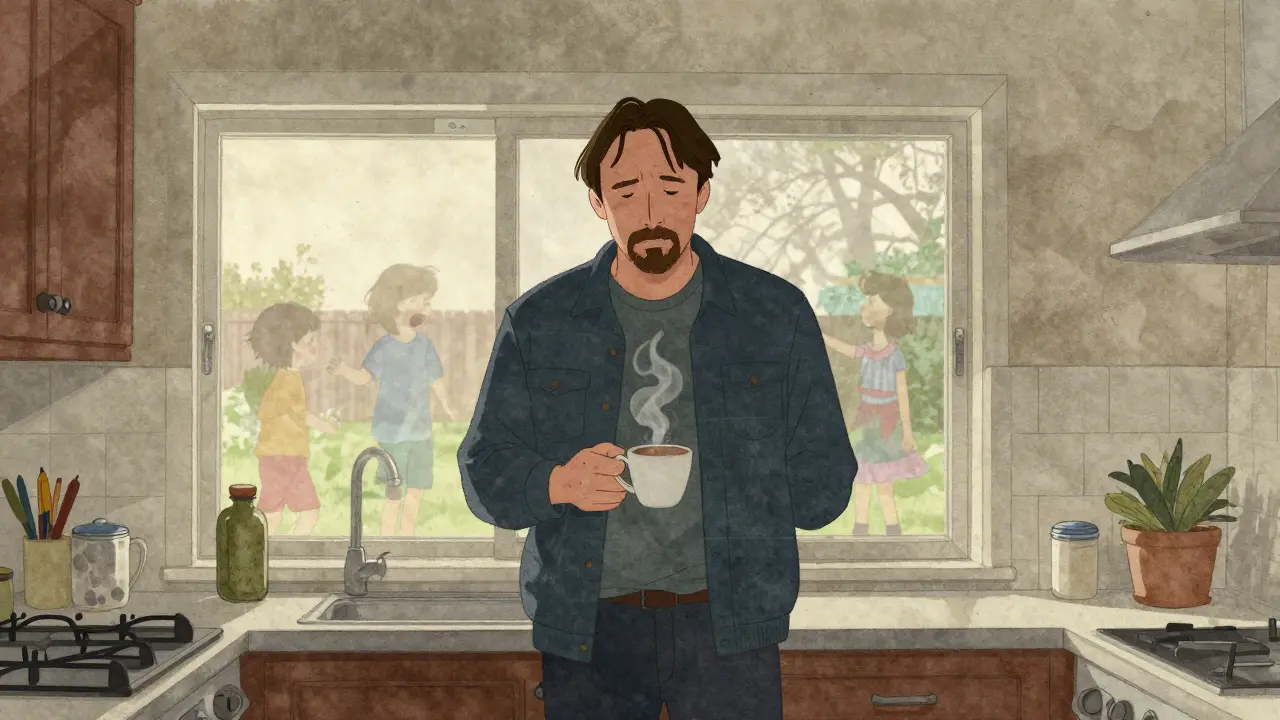
Modern cinema loves spectacle. Big explosions. Fast cuts. Heroic arcs. But the most enduring films? They’re the quiet ones. The ones where a character sits alone in a kitchen, staring at a coffee cup, and you know exactly what they’re thinking.
That’s the power of character-driven drama. It doesn’t need to be loud. It just needs to be true.
What Makes a Character Study Work
Not every film with a complex character is a true character study. Here’s what sets them apart:
- Internal conflict over external action - The struggle happens in silence, not in a fight.
- No easy answers - The character doesn’t get healed, forgiven, or saved.
- Slow pacing - Time is used to show change, not to build tension.
- Minimal dialogue - What’s left unsaid matters more than what’s spoken.
- Realistic flaws - The character isn’t noble. They’re messy, contradictory, human.
These films don’t ask you to cheer for the protagonist. They ask you to sit with them. To understand them. Even if you don’t like them.
What to Watch Next
If you’ve felt moved by these films, here are a few more that carry the same weight:
- A Ghost Story (2017) - A man watches his home decay after death. It’s about time, loss, and the quiet persistence of memory.
- The Rider (2017) - A young rodeo rider tries to rebuild his life after a brain injury. The actor plays a version of himself. Real pain. Real silence.
- Amour (2012) - An elderly couple faces illness with unbearable tenderness. No music. No drama. Just love in its final form.
- Her (2013) - A man falls in love with an AI. It’s not about technology. It’s about loneliness in a connected world.
- Little Women (2019) - Jo March doesn’t just want to be a writer. She wants to be free. The film shows how women’s dreams are shaped by the world around them.
Final Thought
The best drama films don’t change your mind. They change the way you feel. They don’t give you answers. They give you space to sit with your own questions.
When you watch a character study, you’re not watching a movie. You’re watching a life. And sometimes, that’s all we need.
What makes a film a character study?
A character study focuses on the inner life of a person rather than plot events. It explores their emotions, motivations, and transformations through subtle actions, silence, and small moments. The story is driven by psychological depth, not external conflict. Films like Manchester by the Sea and The Father show characters changing-or failing to change-from within.
Are character study films slow or boring?
They’re not slow-they’re intentional. These films don’t rely on fast cuts or explosions to hold attention. Instead, they use silence, gaze, and detail to draw you in. If you’re used to constant action, they might feel different at first. But once you learn to listen to what’s not being said, they become deeply engaging. Think of them as novels you watch instead of read.
Why are these films considered the best?
Because they stick with you. They don’t entertain-they resonate. They show human truth without sugarcoating it. These films are remembered not for their plots, but for how they made you feel about yourself, your relationships, or your own regrets. They’re the kind of movies you revisit when you’re quiet, when you’re thinking, when you need to feel seen.
Can a character study have a happy ending?
Yes-but not in the traditional sense. A happy ending in a character study isn’t about triumph. It’s about acceptance. In Manchester by the Sea, Lee doesn’t get over his grief. But he learns to live with it. That’s not a victory. But it’s real. Real change isn’t always loud. Sometimes, it’s just showing up the next day.
Do I need to be a film expert to appreciate these?
No. You just need to be human. These films don’t require film school. They require honesty. If you’ve ever felt lonely, regretted something, or struggled to connect with someone you love-you already understand these stories. You don’t need to know about camera angles or lighting. You just need to feel.