
Darren Aronofsky doesn’t make movies. He builds pressure cookers out of film reels. His work doesn’t ask you to watch-it demands you feel it in your bones. From the spiraling descent of a wrestler in Requiem for a Dream to the unraveling psyche of a ballet dancer in Black Swan, Aronofsky’s films aren’t stories about obsession. They are obsession made visible. Madness isn’t a plot twist in his work-it’s the engine. And it’s never glamorous. It’s raw, sticky, and relentless.
Obsession as Architecture
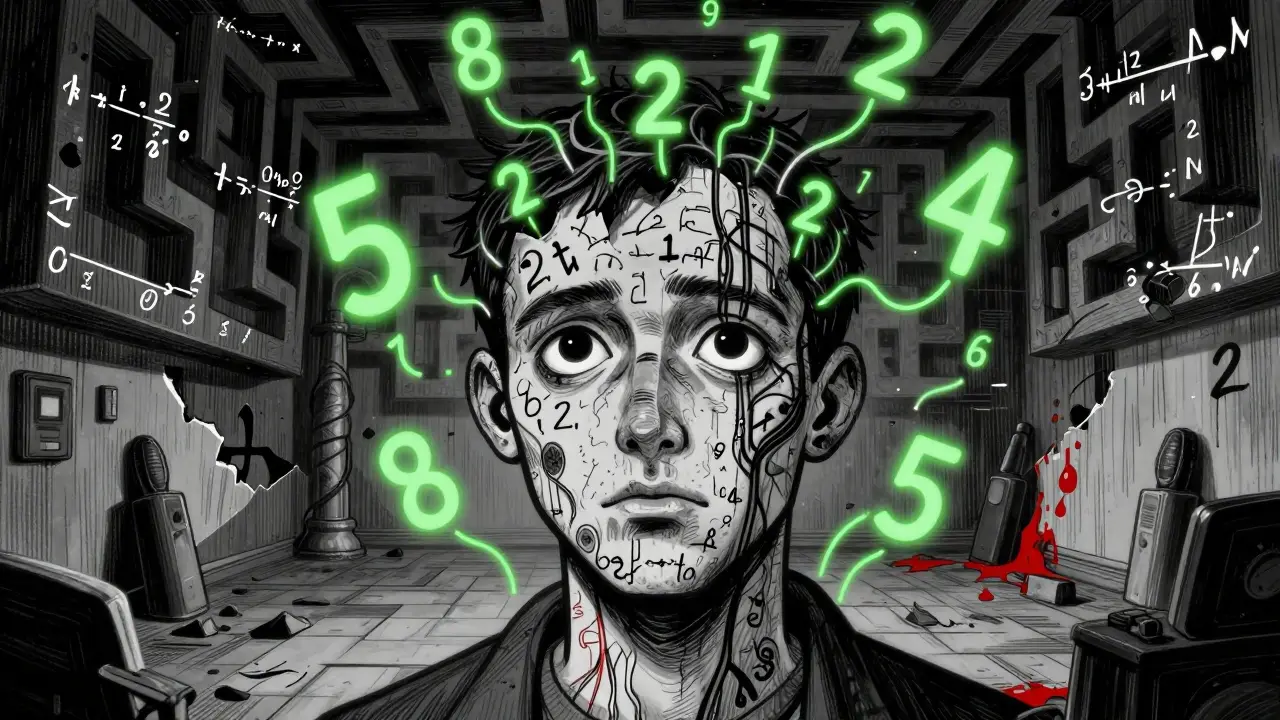
Aronofsky’s characters don’t just want something. They are consumed by it. In Pi, Max Cohen’s obsession with finding patterns in the stock market turns his mind into a maze of equations and hallucinations. He doesn’t chase numbers-he becomes one. The camera doesn’t follow him. It traps him. Tight close-ups, shaky handheld shots, and disorienting sound design make the audience feel the weight of his fixation. This isn’t metaphor. This is neurological. Aronofsky studied neuroscience before film, and it shows. His obsession isn’t emotional-it’s biological. It rewires the brain, and he films the rewiring.
In The Fountain, a scientist’s grief over his wife’s death becomes a 500-year journey through time, space, and myth. The obsession isn’t about saving her. It’s about refusing to accept that she’s gone. The film’s three timelines aren’t separate stories-they’re layers of denial. Aronofsky doesn’t explain. He shows the body breaking down, the mind fracturing, and the soul refusing to let go. The obsession here isn’t romantic. It’s primal. It’s the human refusal to surrender to death.
Madness as a Physical Force
Madness in Aronofsky’s films doesn’t live in the mind. It leaks out. It bleeds. It drips from the ceiling. In Requiem for a Dream, the hallucinations aren’t symbolic. They’re visceral. The screen fills with television static as Sara Goldfarb’s body shrinks under the weight of her addiction. Her arms twitch. Her eyes roll back. The camera lingers on her mouth, open, silent, gasping. This isn’t a scene about drug use. It’s about the body betraying itself. The madness here isn’t abstract. It’s a physical collapse.
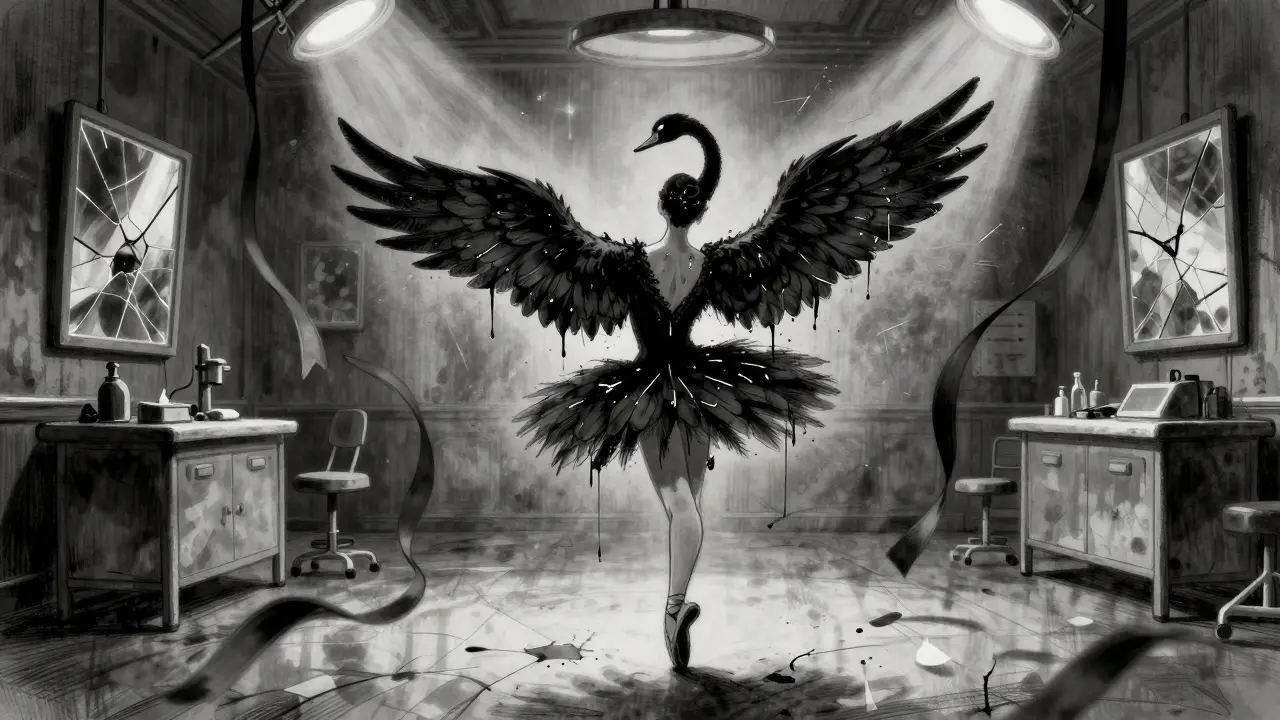
And then there’s Black Swan. Nina Sayers doesn’t just lose her mind-she sheds her skin. The black swan doesn’t emerge from her imagination. It grows out of her back. Her nails crack. Her skin splits. The ballet studio becomes a surgical ward. Aronofsky films the transformation like a horror movie, but without monsters. The monster is perfection. The pressure to be flawless. The fear of being replaced. The madness isn’t random. It’s systemic. It’s built into the ballet world’s demand for purity, control, and silence. Nina doesn’t go mad because she’s weak. She goes mad because the system won’t let her be human.
Water, Blood, and the Body as Prison
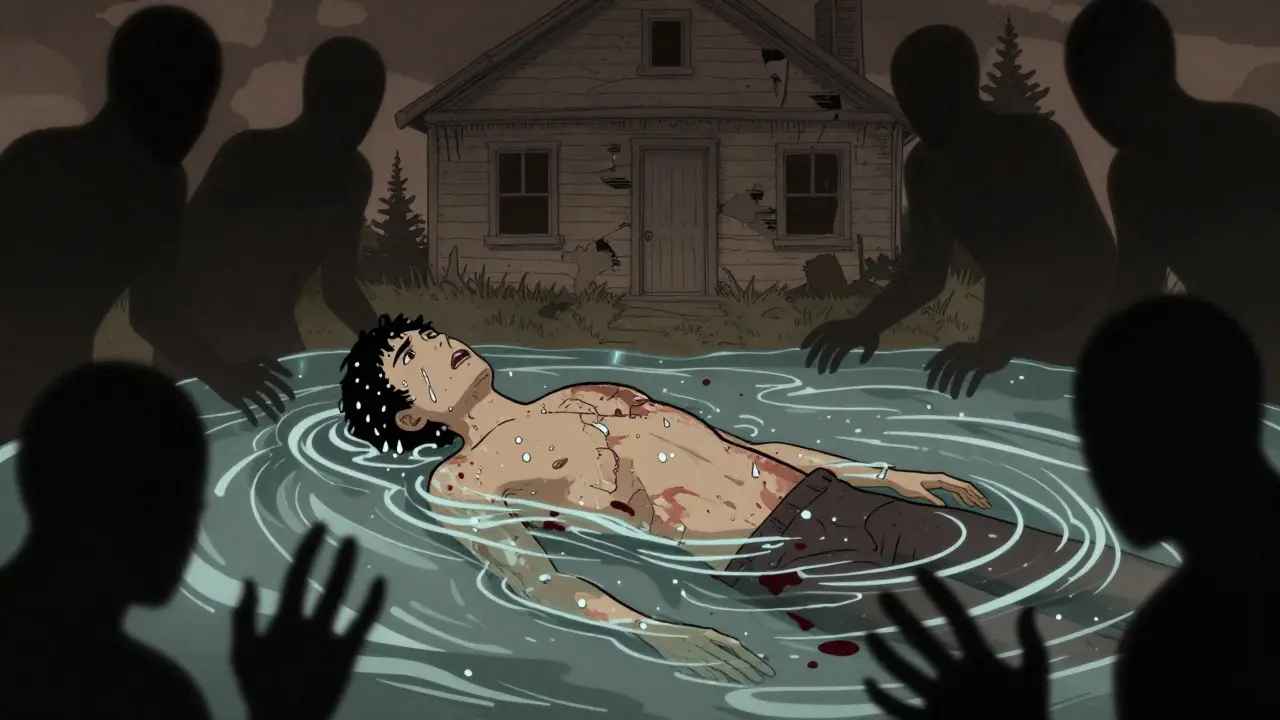
Aronofsky’s obsession with the body is obsessive. Water is everywhere-in Requiem, it’s the pool where Sara dreams of being on TV. In The Fountain, it’s the liquid of life and death. In Black Swan, it’s sweat, tears, and blood mixing on the floor. Water doesn’t cleanse in his films. It drowns. Blood doesn’t heal. It stains. The body isn’t a vessel. It’s a cage. And obsession? It’s the rust eating through the bars.
There’s a moment in mother! where Jennifer Lawrence’s character is covered in blood, screaming in a house full of strangers. The camera circles her like a predator. No one helps. No one understands. The house isn’t just a setting. It’s her body. The strangers aren’t guests-they’re invasive thoughts. Aronofsky doesn’t make allegories. He makes sensory experiences. You don’t interpret mother!. You feel it. Your pulse quickens. Your breath shortens. You want to look away. You can’t.
Why This Works
Aronofsky’s films work because they don’t ask you to sympathize. They ask you to surrender. You don’t need to understand Max Cohen’s math. You don’t need to believe in the Fountain’s myth. You just need to feel the tightening in your chest. His films aren’t about characters. They’re about states of being. Obsession isn’t a flaw in his stories-it’s the only truth.
He doesn’t use music to heighten emotion. He uses silence. He doesn’t cut away from pain. He holds the shot until you can’t take it anymore. His editing doesn’t follow rhythm-it follows panic. In Requiem, the four storylines don’t converge. They collide. And when they do, there’s no resolution. Only wreckage.
The Cost of Art
What makes Aronofsky dangerous isn’t his style. It’s his honesty. He doesn’t romanticize obsession. He shows its price. The wrestler in The Wrestler doesn’t get redemption. He gets one last match-and then he dies alone in a hospital bed. The dancer doesn’t become the swan. She becomes a corpse in a spotlight. The scientist doesn’t find immortality. He dies in a forest, holding an apple.
There’s no hero arc. No happy ending. Just the quiet, brutal truth: obsession doesn’t lead to greatness. It leads to erosion. And Aronofsky films it like a surgeon-clean cuts, no anesthesia.
What We’re Afraid Of
We watch Aronofsky’s films because we’re afraid of what we might become. We’re afraid of the quiet moments when we stare too long at a screen. When we can’t sleep because we’re replaying a mistake. When we push away people because we’re too busy chasing something that was never ours to catch.
His films don’t tell us to stop. They don’t preach. They just show what happens when you keep going. And sometimes, that’s all you need to see.
Why is Darren Aronofsky so focused on obsession and madness?
Aronofsky’s focus stems from his background in neuroscience and his belief that obsession is a biological process, not just a psychological one. He’s studied how the brain rewires itself under extreme pressure, and he translates that into film. His characters aren’t simply ‘crazy’-they’re systems under stress. The body breaks down. The mind fractures. He films the mechanics of collapse, not the drama of it.
Is Darren Aronofsky’s style considered horror?
Not traditionally, but his films use horror techniques to explore psychological collapse. He doesn’t use jump scares or ghosts. Instead, he uses tight framing, dissonant sound, and body horror to create dread. Black Swan and mother! feel like horror because they show the self turning against itself. The monster isn’t outside-it’s inside, and it’s you.
Which Aronofsky film is the most disturbing, and why?
Requiem for a Dream is often cited as the most disturbing because it shows addiction as a slow, inevitable decay. Unlike films that glamorize drug use, Aronofsky shows the physical deterioration-shriveled limbs, hollow eyes, wasted years. The final montage, set to the same theme music, cuts between four characters descending into their own hells. It’s not shocking because of gore. It’s shocking because it’s so quiet, so real.
Do Aronofsky’s films have a message?
Not in the way most films do. He doesn’t preach. He doesn’t offer solutions. His message is embedded in the experience: obsession consumes. Perfection is a trap. The body remembers what the mind tries to forget. You don’t learn from his films-you feel them. And what you feel stays with you.
Are Aronofsky’s films based on real people?
Not directly. But they’re rooted in real behaviors. The character of Sara in Requiem for a Dream was inspired by real cases of elderly people addicted to prescription drugs. Nina in Black Swan mirrors the psychological toll of elite ballet dancers. Aronofsky researches obsessively-he talks to addicts, dancers, scientists-and then distills their pain into fiction. His films aren’t biographies. They’re emotional archives.