
Think about the most powerful moment in a play or film you’ve ever seen. Was it a long monologue? A heated argument? Or was it the moment when a character said nothing at all - just stared, breathed, or turned away - and you felt your chest tighten? That’s the magic of silence in drama. It’s not an absence. It’s a presence. A force. And it’s often louder than any line ever written.
Why Silence Hits Harder Than Words
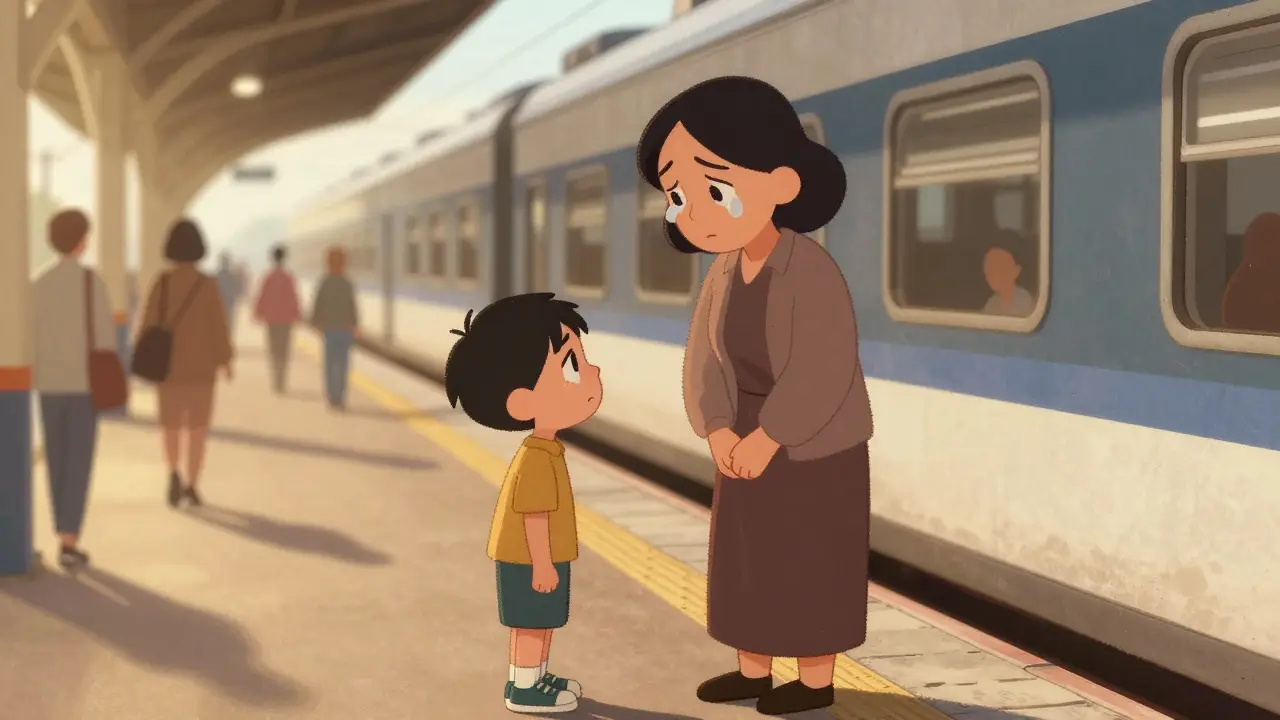
In drama, words are tools. They move the plot, reveal character, explain motives. But silence? Silence does something deeper. It forces the audience to lean in. To fill the gap. To imagine what’s really going on inside a character’s head. When a mother watches her son leave for war and doesn’t say goodbye, you don’t need her to speak. You feel the weight of every unspoken fear, every tear held back.
This isn’t just artistic flair. It’s rooted in how humans actually communicate. Studies in nonverbal communication show that over 70% of emotional meaning comes from tone, gesture, and pause - not the words themselves. In theater, this is called subtext the underlying meaning beneath spoken dialogue, often revealed through silence, body language, or tone. A character might say, “I’m fine,” but their clenched jaw, their refusal to make eye contact - that’s where the truth lives.
Theatrical Silence: From Chekhov to Beckett
Some of the most enduring dramas in history built entire scenes around what wasn’t said. Anton Chekhov’s Three Sisters is full of characters who talk about their dreams, their regrets, their longing - but never act on them. The silence between their lines isn’t empty. It’s full of missed chances, unspoken love, the slow erosion of hope.
Samuel Beckett took it further. In Waiting for Godot, two men wait for someone who never arrives. They talk. They joke. They argue. But the real drama happens in the pauses. When Vladimir and Estragon stop talking, the silence becomes a character. It’s heavy. It’s absurd. It’s human. Audiences don’t just watch the play - they sit inside the silence with them.
Modern film and TV have learned this too. Think of the scene in The Sopranos where Tony sits alone in his backyard after a violent act. No music. No dialogue. Just the sound of crickets. That moment tells us more about his guilt than any confession ever could.
When Silence Replaces Dialogue
Not every silence is profound. Some are just bad writing. But when silence works, it does three things:
- It creates tension - the audience waits for the next word, even if they know it won’t come.
- It reveals inner conflict - what’s unsaid often contradicts what’s spoken.
- It invites empathy - the viewer becomes a co-creator of meaning.
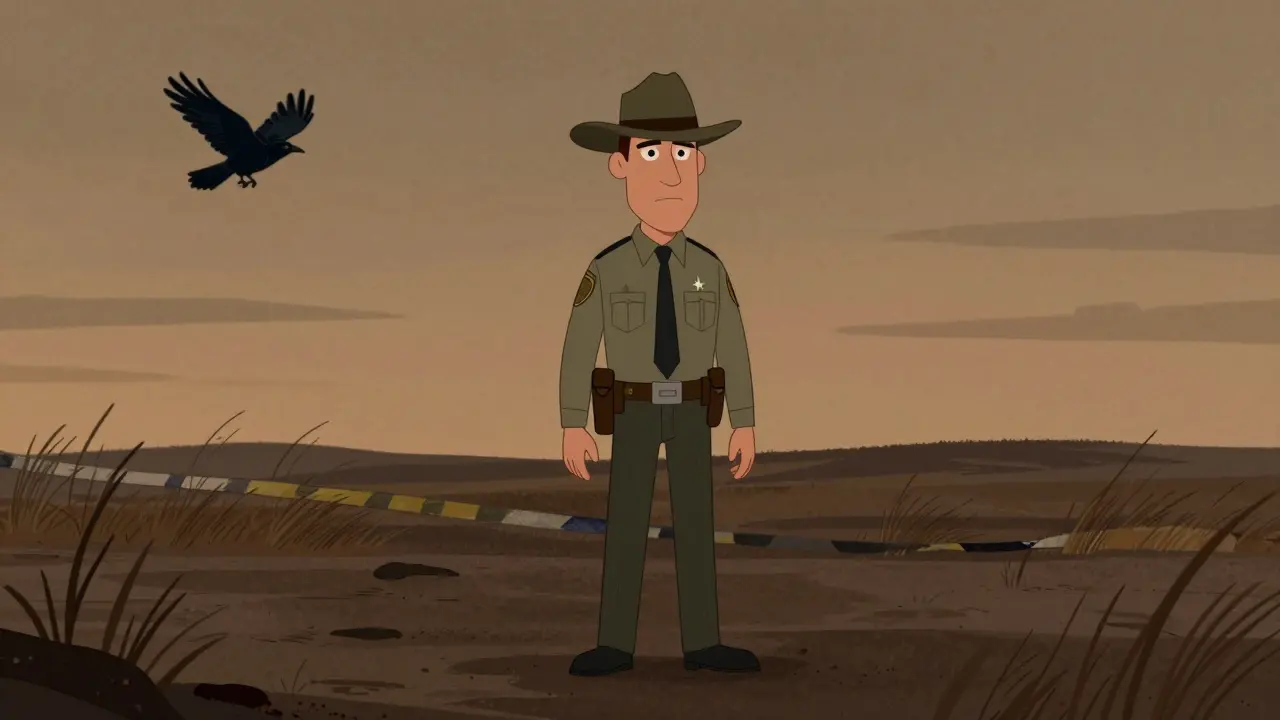
Take the ending of No Country for Old Men. Sheriff Bell walks away from a crime scene, looks into the camera, and says nothing. The silence isn’t just about the case. It’s about a man realizing the world has changed, and he can’t understand it anymore. You don’t need him to explain. You feel it.
On stage, silence is even more exposed. There are no cuts, no close-ups, no music to hide behind. If an actor holds a pause too long, the audience shifts in their seats. If they hold it just right - the whole room holds its breath.
How Actors Train for Silence
Great actors don’t just wait. They prepare for silence like a scene. They practice breathing. They learn how to shift weight. How to let their eyes wander. How to let a tear form and not fall.
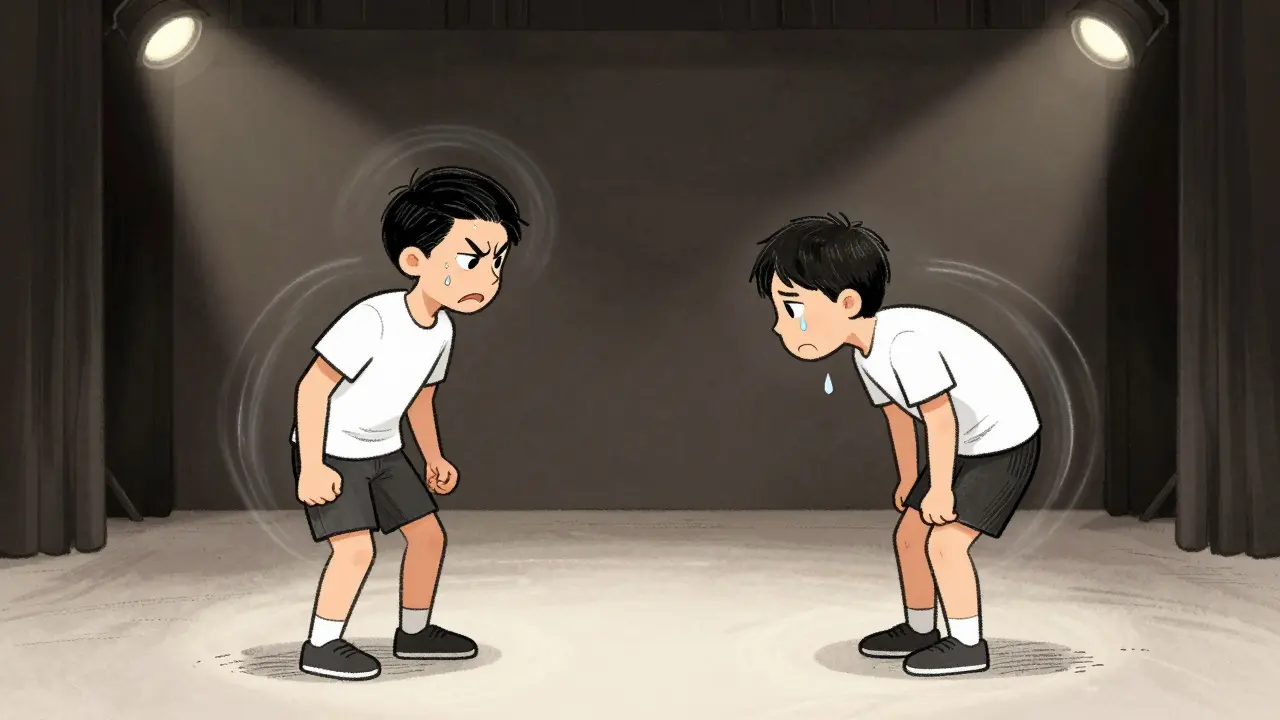
Method acting teachers like Stella Adler and Sanford Meisner emphasize active listening the technique where actors respond truthfully to their scene partner’s unspoken emotions, often through silence. One exercise: two actors sit facing each other for five minutes without speaking. One is told to be angry. The other, to be afraid. No lines. Just presence. By the end, the room is thick with emotion - even though nothing was said.
That’s the power. Silence isn’t passive. It’s an action. It’s a choice. And when done right, it’s the most demanding thing an actor can do.
When Silence Fails
Not every pause works. Sometimes silence feels like a gap in the script. A director might cut a line thinking it’s “too obvious,” but then the scene loses its logic. Or an actor freezes, unsure of what to do with their hands. That’s when silence becomes awkward - not profound.
The difference? Context. Silence needs build-up. It needs emotional weight. You can’t just stop talking and expect magic. You need to earn it. The audience needs to feel the pressure building - the unsaid argument, the unasked question - before the pause hits.
Think of a couple in a kitchen. She says, “I’m going to bed.” He doesn’t respond. If that’s the first time they’ve been distant, the silence feels flat. But if they’ve been fighting for weeks - if he’s been avoiding her for three days - then that silence? It screams.
Modern Examples: Silence in Film and TV
Recent works keep proving this rule.
In Succession, Logan Roy’s final moments are silent. No last words. No dramatic deathbed speech. Just the sound of his breathing slowing. The camera lingers on his hand. The audience doesn’t need to hear him say, “I’m proud of you.” We know he never said it. And that’s the tragedy.
In Barbie (2023), there’s a scene where Ken stands alone on the beach, staring at the ocean. No song. No voiceover. Just him. And for a moment, you see his loneliness - not because he says it, but because he doesn’t.
Even in animation, silence speaks. In WALL-E, the robot communicates almost entirely through sound effects and gestures. His loneliness, his curiosity, his love - all told without a single human word.
What Silence Reveals About Human Nature
At its core, drama is about connection. And connection isn’t always verbal. Sometimes, the deepest bonds are formed in the quiet spaces - the shared glance, the hand on a shoulder, the silence after a loss.
When we’re grieving, we don’t always talk. When we’re afraid, we don’t always confess. When we’re in love, we don’t always say it out loud. Drama mirrors this. It shows us that what we hold back often matters more than what we say.
That’s why silence in drama feels so real. It’s not theatrical. It’s truthful. It’s the space between heartbeats. The breath before the scream. The moment before the decision.
And that’s why, when done right, silence doesn’t just say more than words - it says what words never could.
Why is silence more powerful than dialogue in drama?
Silence forces the audience to engage emotionally rather than intellectually. When words are absent, viewers fill the gap with their own feelings, memories, and fears. This active participation creates a deeper, more personal connection to the character’s inner world. Unlike dialogue, which explains, silence reveals - often more honestly.
Can silence be used in any genre of drama?
Yes - but it works best when the emotional stakes are high. In horror, a silent scream can be more terrifying than a shout. In romance, a pause before a kiss can feel more intimate than a declaration. Even in comedy, a well-timed silence can land a joke harder than punchlines. The key is context: silence must feel earned, not random.
How do directors decide when to cut dialogue?
Directors look for moments where emotion outweighs information. If a character’s reaction is stronger than their words - if a look says more than a speech - they cut. It’s not about economy. It’s about impact. Many scripts are trimmed in editing to let silence breathe. The rule of thumb: if the scene feels flat with dialogue, try removing it.
Is silence more effective on stage or screen?
On stage, silence is riskier - there are no edits, no close-ups. But when it works, it’s more intimate. The audience hears the actor’s breath. They see the sweat. On screen, silence can be enhanced with sound design - ambient noise, music, or even the absence of it. Both are powerful, but stage silence demands more from the actor; screen silence demands more from the editor.
What’s the difference between silence and pause?
A pause is a brief break in speech - often used for emphasis or rhythm. Silence is a sustained absence of sound that carries emotional weight. A pause might last a second. Silence can last a minute - or longer. Pauses are tools. Silence is a statement.
Understanding silence in drama isn’t about learning when to stop talking. It’s about learning when to let the silence speak - and trusting that the audience will hear it.