
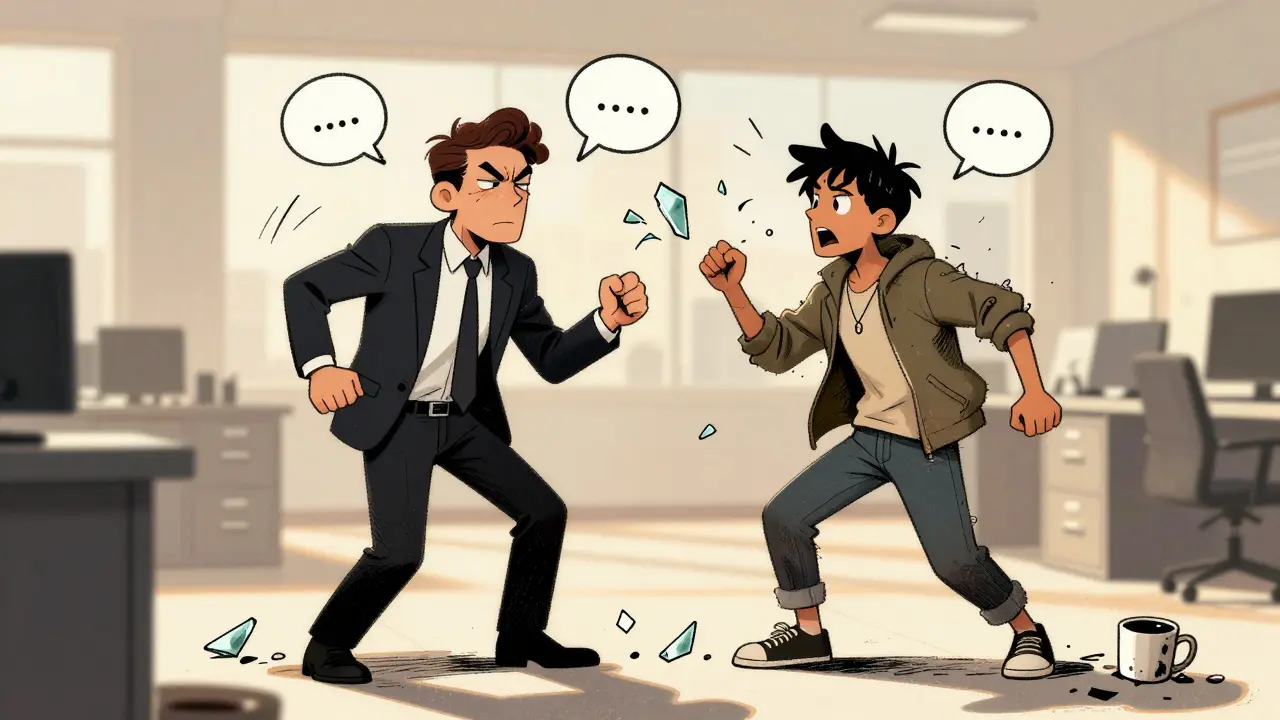
Ever watched a movie where two people can’t stand each other-snapping insults, rolling eyes, avoiding the same room-and then, somehow, they end up kissing in the rain? That’s the enemies-to-lovers trope, and it’s one of the most reliable formulas in romantic comedies. It’s not just a cliché. It’s a psychological hook that works every time. But why? What makes us root for two people who clearly hate each other… until they don’t?
What Exactly Is the Enemies-to-Lovers Trope?
The enemies-to-lovers trope is a narrative arc where two characters begin as antagonists-clashing over values, goals, or just pure personality friction-and gradually develop romantic feelings. There’s no instant attraction. No meet-cute over coffee. Instead, it starts with eye-rolls, sarcastic remarks, and public humiliation. Think of Clueless’s Cher and Josh, 10 Things I Hate About You’s Kat and Patrick, or The Proposal’s Margaret and Andrew. They’re not just rivals. They’re emotional mirrors.
This trope isn’t new. It traces back to Shakespeare’s Much Ado About Nothing, where Beatrice and Benedick trade barbs like swordplay. But modern romantic comedies refined it into a formula: conflict first, chemistry later. The key is that their hatred isn’t random. It’s rooted in something real-misunderstandings, past wounds, or opposing worldviews. That’s what makes the shift believable.
Why Does This Trope Work So Well?
Human brains are wired to crave resolution. When we see tension, we expect payoff. Enemies-to-lovers delivers that in spades. But it’s not just about drama. There’s psychology behind it.
First, contrast creates depth. When two people are opposites-say, a meticulous control freak and a chaotic free spirit-their differences don’t just create friction. They create growth. One learns to loosen up. The other learns to plan. That’s not romance. That’s transformation. And transformation is compelling.
Second, hostility masks vulnerability. People who snap at each other are often afraid of being seen. The insults? They’re armor. When that armor cracks-maybe during a late-night conversation, or when one saves the other from disaster-it’s not just romantic. It’s intimate. We feel like we’re witnessing something private.
Third, the slow burn builds investment. Unlike love at first sight, this arc takes time. You watch them stumble through awkward moments, catch each other off-guard, and accidentally reveal soft spots. That’s why audiences binge these movies. We’re not just waiting for the kiss. We’re waiting for the moment they realize they’ve been falling all along.
How the Best Examples Build Tension
Not all enemies-to-lovers stories work. The difference between a great one and a forgettable one? Detail.
In When Harry Met Sally, the tension isn’t just about dating. It’s about gender, friendship, and whether men and women can ever be just friends. Their arguments aren’t petty. They’re philosophical. That’s why their eventual romance feels earned. They’ve spent years testing each other’s beliefs-and slowly, they’ve changed each other’s minds.
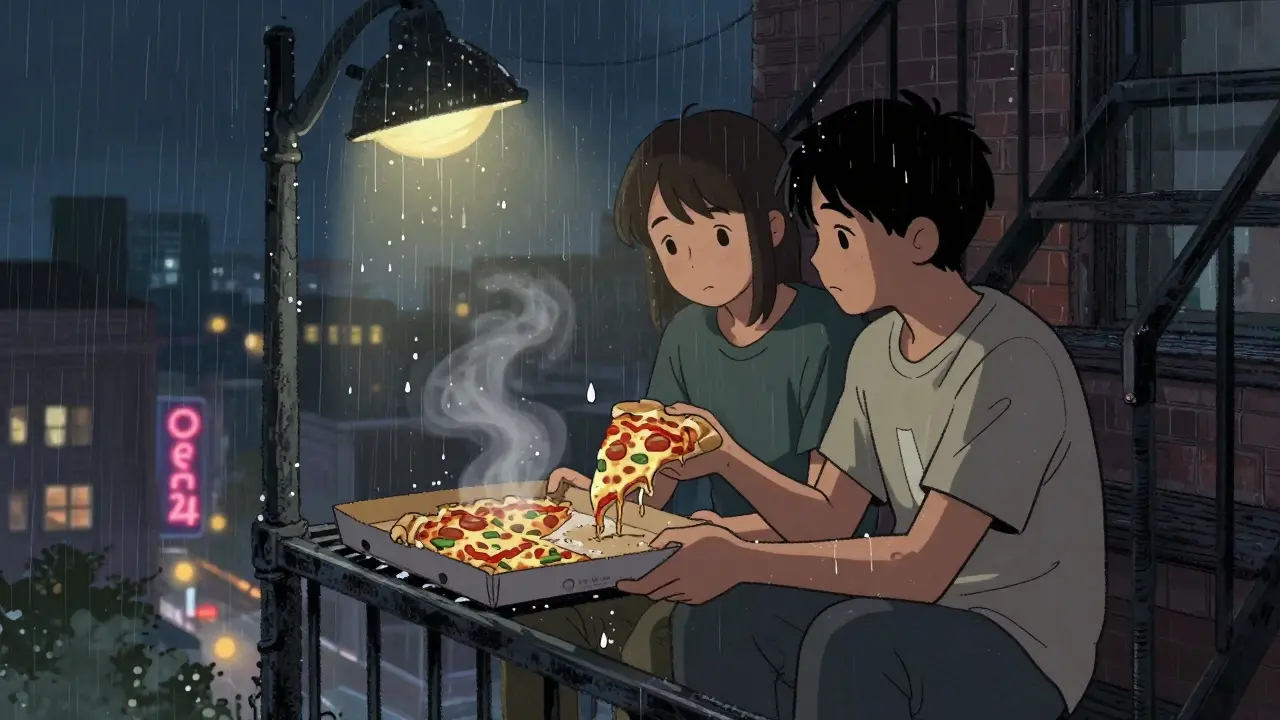
In Set It Up, the assistants scheme to hook up their bosses. But the real romance isn’t between the bosses. It’s between the assistants themselves, who start as rivals for control and end as partners in chaos. Their love story is built on shared secrets, late-night pizza runs, and mutual understanding that no one else gets.
Compare that to a shallow version: two people who just yell at each other for 90 minutes, then suddenly kiss. That’s not romance. That’s a plot hole. The best versions give us moments-small, quiet, real-that show the shift. A glance that lingers. A hand that reaches out to help, then pulls back. A confession whispered in the dark.
The Role of Humor and Vulnerability
Romantic comedies use humor to soften the edges. But the funniest moments aren’t the slapstick. They’re the ones where the character lets their guard down-and we see the pain underneath.
Think of the scene in Notting Hill where Anna Scott, the movie star, says, "I’m just a girl, standing in front of a boy, asking him to love her." It works because we’ve seen her struggle with fame, loneliness, and fear of being ordinary. The humor? It’s in the setup. The emotion? It’s in the delivery.
That’s the magic. The enemies-to-lovers trope doesn’t work because they fight. It works because they finally stop pretending. The insults? They were masks. The laughter? It was a shield. When they drop both, that’s when the love begins.
Why It’s Perfect for Modern Audiences
In a world where relationships are often transactional-swiped right, ghosted, or filtered for perfection-enemies-to-lovers feels real. It says: love isn’t about finding someone who matches your checklist. It’s about finding someone who challenges you. Someone who sees your flaws and doesn’t run. Someone who makes you better.
Modern viewers, especially younger audiences, crave authenticity. They’ve seen too many perfect love stories. They want messy. They want slow. They want someone who doesn’t fit… until they do.
That’s why shows like Bridgerton and movies like To All the Boys I’ve Loved Before keep using this trope. It’s not outdated. It’s evolved. Today’s version isn’t about winning a bet or forcing someone to fall. It’s about two broken people slowly stitching each other back together.
The Fine Line Between Chemistry and Cliché
Not every enemies-to-lovers story lands. Some fail because they skip the emotional work. The characters don’t grow. The conflict feels manufactured. The shift from hate to love happens in five minutes because the script needs a happy ending.
The difference? Real change. In a good story, the characters don’t just fall in love. They become different people. The control freak learns to let go. The cynic learns to hope. The one who always ran now stays. That’s what sticks with us.
Also, avoid the trap of "love as punishment." Some stories make one character suffer to earn the other’s affection. That’s not romance. That’s emotional abuse. The best versions show mutual healing. One doesn’t "fix" the other. They help each other heal.
What Makes This Trope Last
Why hasn’t this trope faded? Because it’s not about love. It’s about identity. We don’t just want to see two people fall in love. We want to see them become someone new. Someone better.
It’s the same reason we watch transformation arcs in superhero movies or coming-of-age stories. We’re drawn to change. And enemies-to-lovers gives us change in the most human way possible: through conflict, misunderstanding, and finally, understanding.
It’s why we still watch these movies. Not because we want to see a kiss. We want to see the moment before the kiss. The quiet pause. The breath held. The realization that the person you hated most… was the one you needed all along.
Is the enemies-to-lovers trope only used in romantic comedies?
No, it shows up in dramas, fantasy, and even sci-fi. But romantic comedies use it most often because they rely on emotional contrast and humor to build connection. In darker genres, the shift might be more tragic or slow, but the core dynamic-hostility turning into intimacy-is the same. Think of Game of Thrones’s Tyrion and Shae, or Star Trek’s Spock and McCoy.
Why do audiences relate to enemies-to-lovers stories?
Because most people have experienced a relationship that started with friction-whether it was a coworker, a roommate, or a classmate. We’ve all had moments where someone we disliked turned out to be someone we deeply understood. The trope mirrors real life: love often grows from conflict, not comfort.
Can enemies-to-lovers work without humor?
Yes. Humor helps in romantic comedies, but it’s not required. In dramas like Normal People or Call Me By Your Name, the tension comes from emotional repression, not jokes. The shift happens in glances, silences, and unspoken apologies. The trope works as long as the emotional transformation feels earned.
Are there risks in using this trope too often?
Absolutely. Overuse leads to predictability. If every movie follows the same beats-snark, forced proximity, breakup, grand gesture-audiences tune out. The best stories avoid clichés by giving characters real depth. Their hatred must have roots. Their change must be visible. Otherwise, it’s just a formula.
What’s the most important element to make this trope believable?
Shared vulnerability. The moment one character lets down their guard-admitting a fear, revealing a past hurt, or simply saying, "I didn’t mean it"-that’s when the audience starts rooting for them. Without that, the romance feels forced. With it, the shift feels inevitable.