
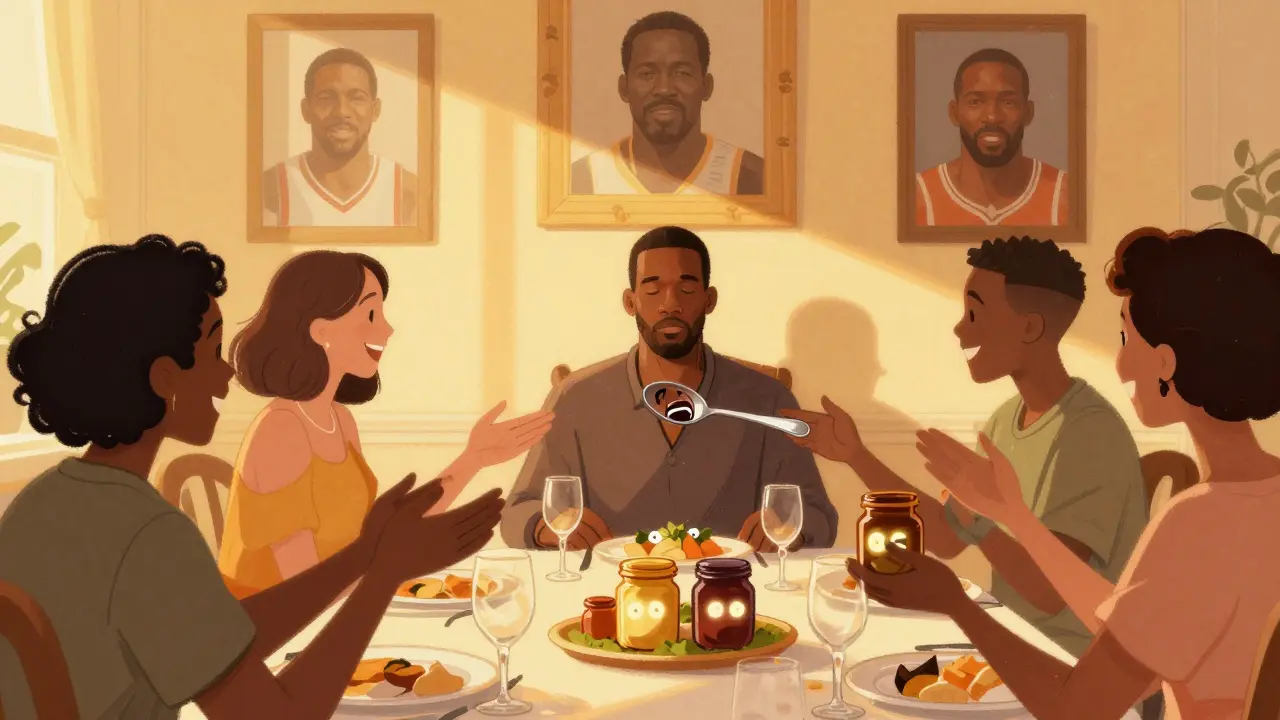
Jordan Peele didn’t just make horror movies-he turned them into mirrors. His films don’t scare you with jump scares or haunted houses. They scare you because they’re true. In Get Out, Us, and Nope, the real monster isn’t lurking under the bed. It’s sitting across the dinner table, smiling, asking if you want more tea.
The Birth of a New Kind of Horror
Before Jordan Peele, horror was mostly about supernatural forces or deranged killers. Even when race showed up, it was a side note-a token character, a stereotype, or a victim. Peele flipped that. He made race the engine of the fear. Not as metaphor. Not as allegory. As lived experience. Get Out (2017) was the wake-up call. A Black man visits his white girlfriend’s family, and everything feels off. Too polite. Too eager to touch his skin. Too interested in his eyes. The horror wasn’t the brain transplant. It was the casual racism masked as admiration. The microaggressions that piled up until they became a prison. The way people said, "I would’ve voted for Obama a third time," like it excused everything else. That movie made $255 million worldwide on a $4.5 million budget. It won an Oscar for Best Original Screenplay. But more than that, it made people talk. Black audiences saw themselves. White audiences saw their own behavior reflected back. And no one could pretend it was just a movie anymore.Satire as a Weapon
Peele doesn’t just show racism-he mocks it. He uses satire like a scalpel. In Get Out, the Armitage family doesn’t hate Black people. They worship them. They want their athleticism, their stamina, their "cool". They pay for it. They steal it. They keep it in jars. That’s not fantasy. That’s the history of Black bodies in America: used, copied, commodified, then discarded. The art world in the film isn’t just a joke-it’s real. Black athletes and musicians have been exploited for generations. Their talents harvested while they’re locked out of the profits. Peele didn’t invent that. He just put it on screen with a straight face and a creepy smile. In Us, the Tethered aren’t just doppelgängers. They’re the ignored. The forgotten. The people society decided were too inconvenient to see. The ones who live in the dark, eating raw meat, because no one ever offered them a better life. When Adelaide says, "We’re Americans," she’s not just talking about geography. She’s talking about who gets to be seen as whole. Who gets to be human in the story.Race Isn’t a Plot Point. It’s the Air They Breathe.
Most films treat race like a checkbox. "We need diversity? Add a Black character." Peele treats race like gravity. It pulls everything down. It shapes how characters move, speak, think, and survive. In Nope, the Haywood family runs a horse ranch. They’re the last Black-owned business in their town. That’s not background. That’s the whole point. When they try to capture the UFO, they’re not just chasing money or fame. They’re chasing visibility. They’ve spent generations invisible. Now, they want to be seen-even if it kills them. The alien in Nope doesn’t attack because it’s evil. It attacks because it’s hungry. And the people who feed it? The ones who exploit spectacle for profit. The media. The corporations. The audiences who click, watch, and move on. The real horror isn’t the creature. It’s the system that turns suffering into content.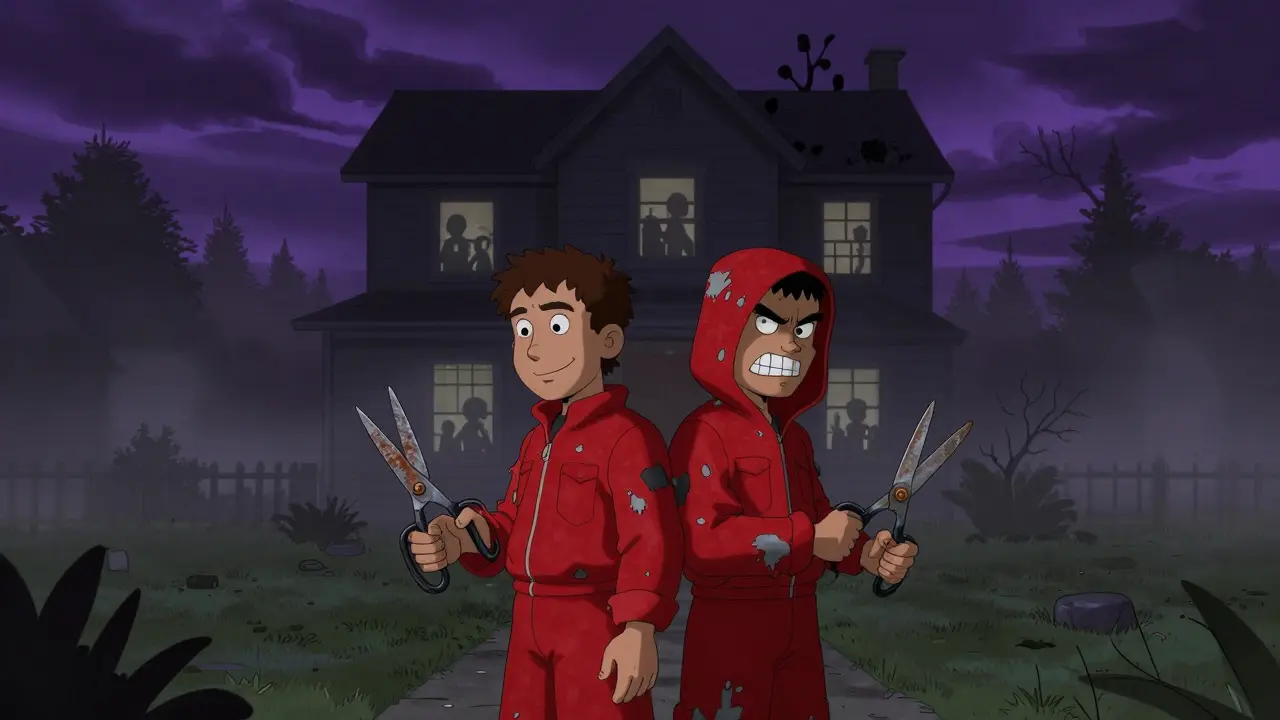
The Fear That Doesn’t Go Away
Peele’s horror sticks because it doesn’t end when the credits roll. You leave the theater and still feel it. The way a white coworker touches your hair without asking. The way your kid gets followed in a store. The way your voice changes when you walk into a room full of strangers who don’t look like you. These aren’t just scenes. They’re memories. And Peele knows it. That’s why his films feel so personal. He’s not telling you what to think. He’s asking you to feel what it’s like to live in a world where your body is always under scrutiny. In Us, the protagonist’s worst fear isn’t being killed. It’s being replaced. Erased. That’s the fear of so many marginalized people: that someone else will take your place, your voice, your story-and no one will notice you’re gone.Why His Films Resonate Now
Peele’s rise didn’t happen by accident. It happened because the world was ready. The Black Lives Matter movement. The rise of social media as a tool for exposing injustice. The growing awareness that racism isn’t just about hate speech-it’s in housing, hiring, policing, education. His films work because they’re not about the past. They’re about now. Get Out came out the same year as the Charlottesville rally. Us dropped during a time of rising anti-immigrant rhetoric. Nope arrived after years of viral videos showing police violence and corporate exploitation. He’s not making horror for horror’s sake. He’s making horror because it’s the only genre that lets you scream without being called crazy.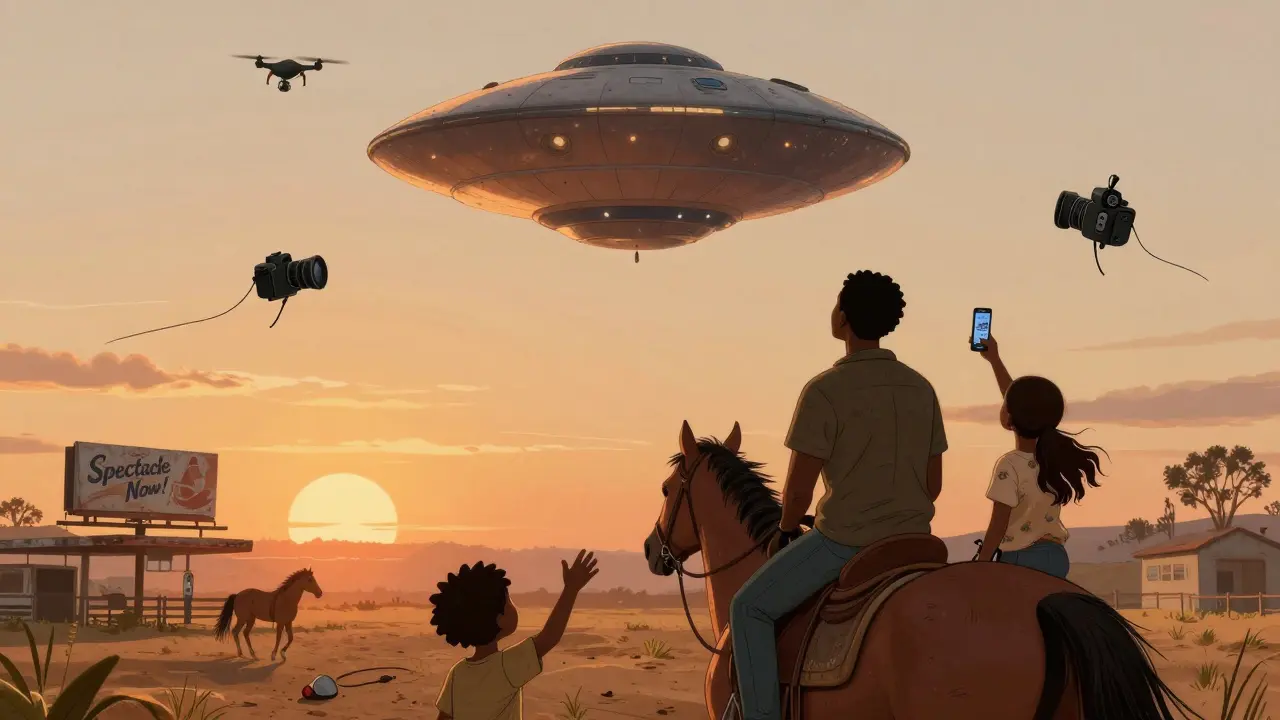
The Rules of a Peele Film
If you want to understand his work, there are patterns:- There’s always a surface story-and a deeper one about power and identity.
- White characters are never villains in the traditional sense. They’re complicit. Comfortable. Willing to look away.
- Black protagonists survive, but they’re changed. They don’t get a happy ending. They get a scarred one.
- Sound design matters. Silence is louder than screams.
- The camera doesn’t just show the action. It watches. Like the audience. Like society.
What Comes Next?
Peele has already proven he can turn horror into cultural commentary. His next project-rumored to be about gentrification and the erasure of Black communities in urban spaces-could be his most dangerous yet. Because here’s the truth: the scariest thing in a Jordan Peele movie isn’t the monster. It’s the realization that the monster was never imaginary. It was always there. You just didn’t want to see it. He doesn’t give you answers. He gives you questions. And sometimes, that’s more terrifying than any scream.Why is Jordan Peele’s horror different from traditional horror?
Traditional horror relies on ghosts, monsters, or serial killers as external threats. Jordan Peele’s horror comes from real social dynamics-racism, exploitation, invisibility. His monsters aren’t supernatural; they’re systems. The fear isn’t about dying. It’s about being erased, commodified, or ignored by the people around you.
Is Get Out really about race, or is it just a metaphor?
It’s both. The brain transplant plot is a metaphor, but the microaggressions, the fetishization of Black bodies, the forced smiles-all of that is real. Black viewers recognized the scenes from their own lives. The film doesn’t use race as a symbol. It uses horror to show how racism operates daily, in plain sight, wrapped in politeness.
What makes Us different from Get Out?
While Get Out focuses on external exploitation-white people stealing Black bodies-Us turns inward. It asks: What if the monster is us? The Tethered represent the parts of society we ignore: the poor, the forgotten, the ones who never got a chance. The horror isn’t just about being hunted. It’s about realizing you’ve been complicit in creating the conditions that made them.
Why does Peele use so much silence in his films?
Silence builds tension, but it also reflects the silence around racism. People don’t always say hateful things. Sometimes they just look away. Peele uses silence to make the audience feel that discomfort. When characters don’t speak, you hear the unspoken. That’s when the fear hits hardest.
Are Jordan Peele’s films only for Black audiences?
No. They’re for anyone who’s ever felt unseen-or who’s ever chosen not to see someone else. Peele’s films work because they speak to universal feelings of fear, powerlessness, and survival. But they’re rooted in Black experience. White audiences are meant to sit with discomfort, not just watch it.
What’s the significance of the scissors in Us?
The scissors are a symbol of cutting ties-between the self and the shadow, between privilege and poverty, between the seen and the unseen. They’re not just weapons. They’re tools of separation. The Tethered use them to break free. The surface world uses them to cut off responsibility. The scissors don’t kill. They reveal.