

The Invisible Guide Behind Your Screen
Imagine you are sitting on your sofa in Dublin, ready to wind down after a long week. You open the app, and right at the top of the row, there is a documentary about Irish architecture you never would have found yourself. It feels like magic, but it is math. The platform knows you watched three similar titles last year and paused a specific scene in a travel vlog. That moment of hesitation tells the system exactly what mood you are in.
Netflix Viewer Engagement is the measurement of how users interact with content over time to refine suggestions. While you focus on the plot twists and actors, a massive invisible engine focuses entirely on your behavior patterns. It does not care about the story quality in the artistic sense; it cares about whether you finish the episode. If you binge-watch four seasons in one night, the system tags that genre as "High Retention" for your profile. If you abandon a show after twelve minutes, that preference gets downgraded immediately.
Many people assume there is a single list of popular shows sent to everyone. That is simply not how it functions today. In 2026, personalization engines process billions of data points every day. This creates a unique version of the homepage for every single subscriber. When you scroll, you see a slightly different lineup than your neighbor, even if you live in the same building. The goal is not just to find something to watch but to remove the decision fatigue that stops people from starting anything at all.
The Dual Engine of Prediction
Under the hood, the recommendation logic runs on two main pillars working together. First, there is collaborative filtering. Think of this as asking friends who have similar tastes to you. If a group of five hundred users who watch sci-fi also enjoy psychological thrillers, and you are in the sci-fi group, the system will suggest those thrillers to you. It finds neighbors in user space rather than relying solely on the metadata of the movie itself.
Machine Learning is a branch of artificial intelligence that uses algorithms to learn from data and improve prediction accuracy over time. This is the second pillar. Unlike old systems that relied on static rules, these models learn from real-time feedback loops. When you rate a film five stars or press thumbs down, that signal travels instantly to update your profile model. The system weighs recent activity heavier than older habits. If you suddenly start watching cooking shows in March, the algorithm adjusts faster than it did five years ago, recognizing that seasonal interests shift quickly.
There is a common misconception that likes are the only signal that matters. In reality, implicit signals carry much more weight than explicit ones. The times you pause, the moments you play fast-forward, and even the brightness settings on your phone during playback feed into the model. These actions often reveal what a user thinks honestly, whereas a rating button might be used out of habit rather than genuine opinion.
Decoding the Data Points
To understand why your feed changes, you must look at what the system tracks. It goes far deeper than just title names. The platform monitors the time of day you log in. Are you binging heavy dramas late at night? Do you prefer light comedies during weekday mornings? Time-of-day analysis helps tailor recommendations based on your daily routine energy levels.
| Signal Type | What it Measures | Impact on Suggestions |
|---|---|---|
| Completion Rate | If you finish the episode or series | High positive weight for similar genres |
| Watch Duration | Total minutes spent viewing | Determines loyalty to specific franchises |
| Replay Behavior | Rewinding specific scenes | Suggests interest in character depth or mystery |
| Search Terms | Keywords typed into the search bar | Directly adds related topics to queue |
| Abandonment Time | When you stop playing early | Negatively weights pacing or theme |
Another critical metric is the skip-to-end feature. People often use this to ignore intro sequences. The system notices this pattern. If you skip credits every time, it knows you value efficiency over production details. Conversely, if you rewatch a funny scene five times, the system flags that specific title as high-value entertainment for your demographic. These micro-interactions create a rich texture of personality that a simple star rating cannot capture.

The Thumbnail Trick
One of the most misunderstood aspects of the interface is the artwork itself. You might notice that the poster art for a single show looks different on your device compared to your friend's. The company does not use a generic image for everyone. They employ A/B testing on a massive scale to see which visual draws your eye first.
Artificial Intelligence is technology capable of simulating human intelligence through decision-making and pattern recognition. Here, AI determines facial expressions and color palettes that align with your preferences. If you tend to click on romantic dramas, the thumbnail might highlight the romantic lead rather than a violent scene, even though the show contains both elements. It optimizes the click-through rate. If a particular image gets clicked 20% more often by users like you, it becomes the default image for your account permanently until further testing proves otherwise.This strategy solves a major friction point in digital consumption: choice paralysis. By curating the visuals before you even read the title, the guide reduces the effort needed to pick a show. It makes the decision feel effortless because the preview matches your subconscious expectations. For example, seeing a character laughing might signal comedy to you, while seeing the same character crying signals drama. The algorithm serves the emotion you seek.
The Global vs. Local Balance
The system operates on layers. There is a broad layer that understands general trends across millions of subscribers. However, there is also a hyper-local layer that respects regional licensing and cultural context. Even though technology connects us, viewers in different regions often have different taste profiles due to media exposure history.
In Ireland, local production might influence global suggestions differently than in other parts of the world. If a localized show gains traction, the recommendation engine promotes it to international audiences who enjoy similar storytelling tropes. The system identifies linguistic clusters and narrative styles. It ensures that a crime thriller suggested for a viewer in Dublin shares the tonal qualities expected in that region, rather than applying a generic American standard to everyone.
However, the underlying mathematical principles remain consistent worldwide. Whether you are in New York or London, the core logic relies on the probability of satisfaction. The system calculates a score for every available title in its library relative to your profile. This score dictates the order of the rows. The higher the predicted likelihood of enjoyment, the closer to the top of the screen the item appears.
Taking Control of Your Experience
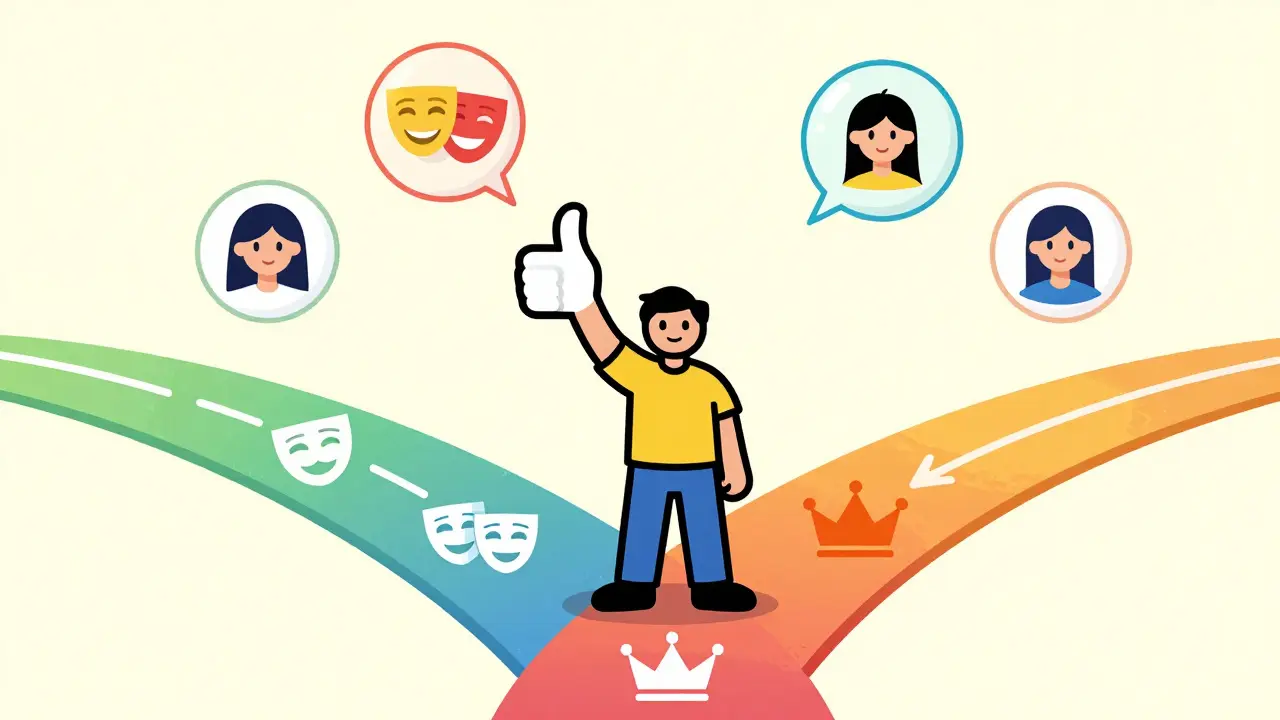
You might wonder if you can manipulate this system in your favor. Absolutely. The most powerful tool you have is the "Thumbs Up/Down" feature. It is surprisingly underused. Most users rely on passive clicking, letting the system guess their needs. Active feedback cuts the training time significantly.
To reset your profile, try a clean slate approach. Explicitly rate the movies you recently watched accurately. Do not give them credit just because you finished them. Be honest about pacing. If you hated the acting, mark it down. Over several weeks, the noise clears, and the suggestions become sharper. Additionally, removing titles from your watchlist sends a stronger rejection signal than simply ignoring them.
It is also worth noting that household settings play a role. If multiple people share one account, the mix of data confuses the engine. Profiles exist for a reason. Creating distinct accounts for adults versus children separates the signals completely. Without separate profiles, the algorithm tries to find middle-ground content that satisfies everyone, resulting in mediocre suggestions for individuals.
Frequently Asked Questions
Does the algorithm know me?
The system does not know you personally as a person, but it builds a comprehensive profile of your viewing habits. It recognizes patterns in your timing, duration, and genre selection to predict what you might enjoy next without needing your name or address.
Why does my homepage look different than my partner's?
Every profile generates a unique layout based on individual interaction history. Two users on the same device will see different row orders and thumbnails because their click behaviors and rating choices differ. The system treats every profile as a unique dataset.
Can I reset the algorithm recommendations?
You cannot wipe the history entirely, but you can manually clear your viewings list. Additionally, consistently using the thumbs up/down buttons on recent content helps correct the direction of suggestions effectively.
Does the algorithm prioritize new releases?
New releases are given a boost initially to gather performance data. Once the system understands how they perform with your specific taste cluster, older or catalog content may appear alongside new releases depending on the predicted match.
Is the tracking visible to me?
Most tracking is passive and happens in the background. You can see your viewing activity history in the account settings, which lists everything you have played. This data drives the personalized dashboard experience you see every day.