
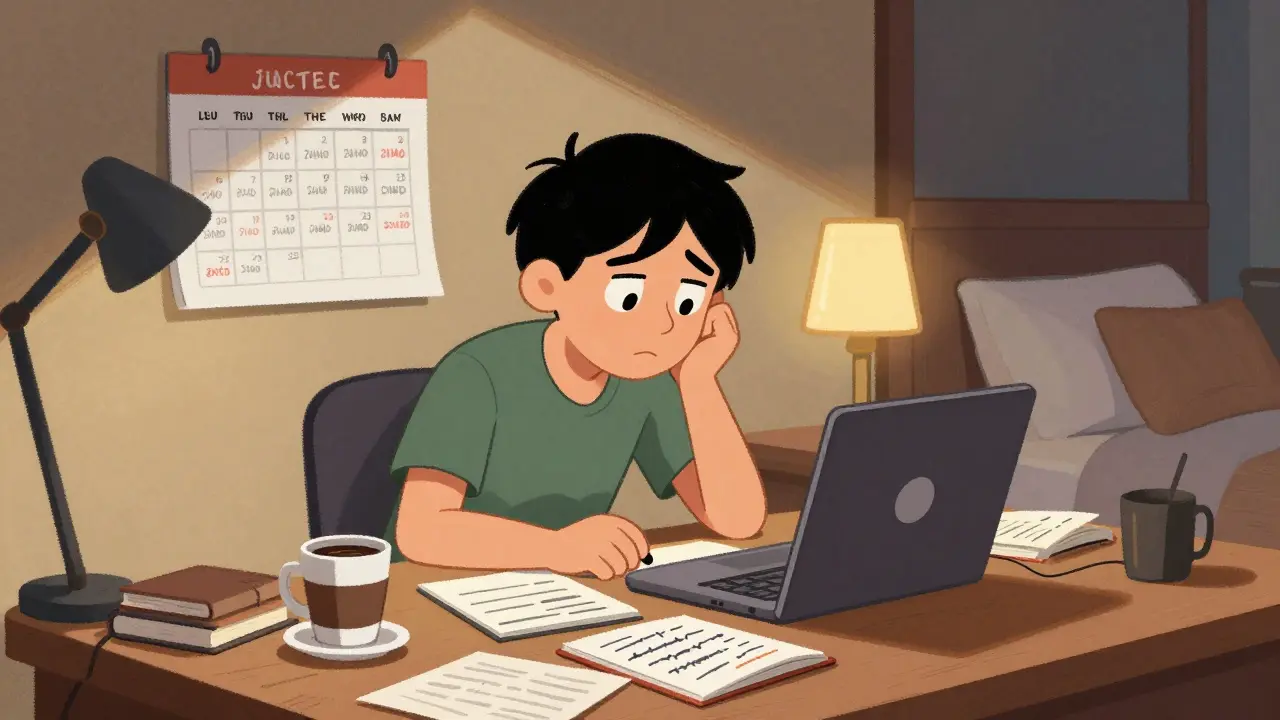
Getting a press pass to cover a major film festival isn’t just about showing up with a notebook. It’s about being in the right place at the right time with the right credentials-and knowing how to use them. Every year, thousands of journalists apply for accreditation at festivals like Cannes, Sundance, TIFF, and Venice. But only a fraction get in. And among those who do, only a handful walk away with stories that actually matter.
What Press Accreditation Really Means
Press accreditation is your ticket to screenings, interviews, press conferences, and sometimes even red carpets. But it’s not a free pass to write whatever you want. Festival organizers don’t hand out passes to bloggers with 500 followers. They’re looking for professional critics with a track record-people who write for outlets that actually reach audiences.
Most major festivals require proof of professional affiliation. That means a byline in a recognized publication, a verified media account, or a portfolio of published reviews. Freelancers need to show consistent work over time. A single article on Medium won’t cut it. But if you’ve written for Variety, The Guardian, Cahiers du Cinéma, or even a well-known regional newspaper, you’re in the game.
Even then, timing matters. Accreditation opens months before the festival. The window closes fast. Miss it, and you’re out-no exceptions. Many journalists wait until the last minute, only to find the slots already filled by outlets with deeper connections.
Who Gets Accredited-and Who Doesn’t
Festivals have clear, if unspoken, rules about who qualifies. Here’s what actually works:
- Established publications: News outlets with editorial oversight, like newspapers, magazines, or broadcast networks.
- Specialized film media: Sites like IndieWire, Screen Daily, or Film Comment have priority.
- Verified journalists: Those with LinkedIn profiles linked to professional work, or who appear in media databases like Muck Rack or Prolifico.
- Academic or institutional writers: Professors who publish peer-reviewed film analysis often get passes, especially at festivals like Locarno or Rotterdam.
What doesn’t work? Personal blogs without traffic. YouTube channels with under 10K subscribers. Instagram influencers who post selfies at red carpets. Even if you have a huge following, if you haven’t published a single review or analysis in the past year, you’re not considered press.
One filmmaker told me last year: “We don’t care if you have 100K followers. We care if you’ve written about three films that people actually read.”
How to Apply-Step by Step
Applying isn’t complicated, but it’s easy to mess up. Here’s what to do:
- Find the official accreditation portal for the festival. Don’t use third-party sites. Use the festival’s .org domain.
- Prepare your materials: A recent byline (last 12 months), a professional headshot, a link to your outlet’s masthead, and a short bio that includes your beat (e.g., “covers international arthouse cinema”).
- Apply early: Most festivals open applications 4-6 months in advance. Sundance opens in August for January’s event. Cannes opens in December.
- Be specific: Don’t say “I want to cover films.” Say “I plan to cover emerging directors from Southeast Asia and submit five reviews to my publication’s weekly cinema section.”
- Follow up: If you don’t hear back in 3 weeks, email the press office with a polite reminder. No one will chase you.
Pro tip: If you’re a freelancer, get a letter from your editor confirming your assignment. That’s often the deciding factor.
What Happens Once You Get In
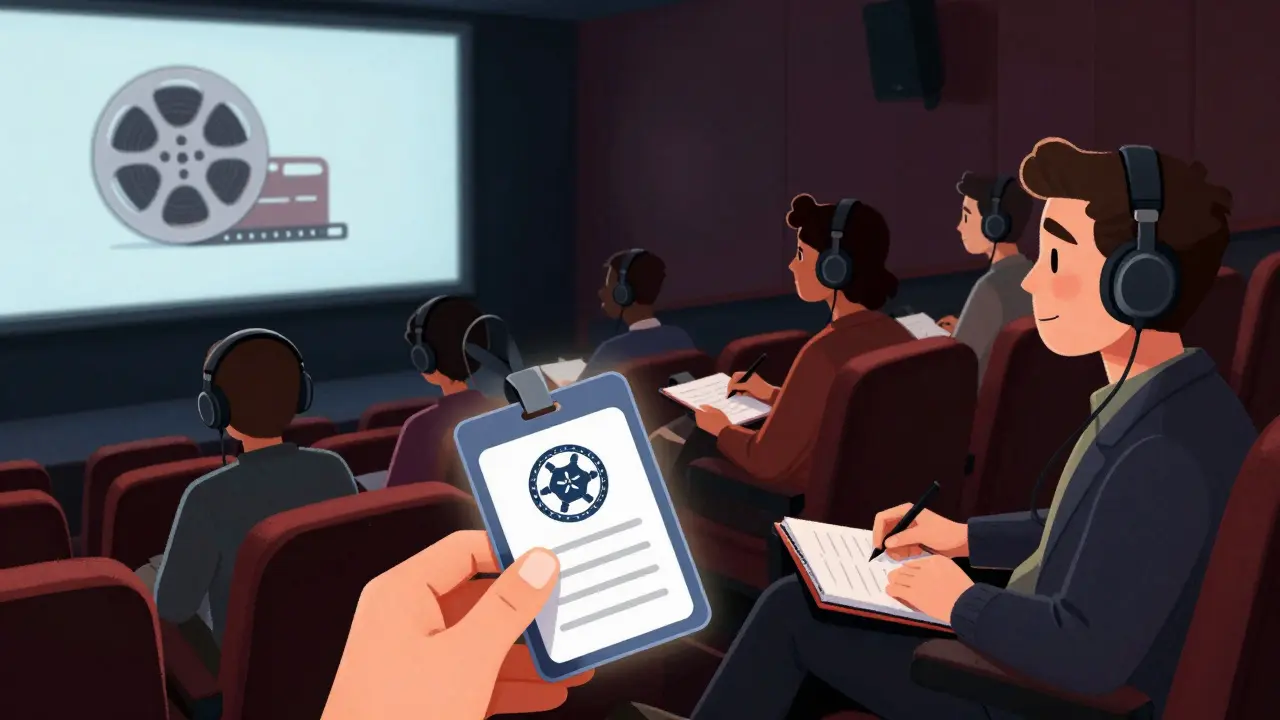
Getting the badge is just the beginning. Now comes the real work.
Screenings are scheduled back-to-back. You might have three films in one day. One at 8 a.m., another at 1 p.m., and a third at 9 p.m. You’ll be exhausted. And you’ll still need to write a review by midnight.
Here’s how seasoned critics handle it:
- Take notes during the film. Not after. You’ll forget the details.
- Record key moments with your phone (if allowed). Some festivals let you record audio during Q&As.
- Interviews are gold. Get the director’s name right. Spell it. Know their last film. Ask about their process, not their Oscar chances.
- Don’t chase buzz. If everyone’s raving about a film, dig deeper. Why? What’s being overlooked? The best reviews challenge the hype.
One critic I spoke to in Berlin last year said: “I wrote about a film that no one else noticed. It got picked up by Netflix. My review was the first thing that made people look twice.”
The Hidden Rules of Festival Coverage
There are unwritten rules no one tells you about.
- Don’t review films you haven’t seen. It sounds obvious, but some critics write previews based on trailers or synopses. That’s lazy-and it erodes trust.
- Never accept gifts. Even a branded tote bag or a bottle of wine can be seen as a conflict of interest. Most festivals have strict policies.
- Respect the schedule. If a screening is sold out, don’t try to sneak in. You’ll be banned. And word gets around.
- Don’t overpost on social media. Posting a tweet like “This film changed my life!” before the review is published looks unprofessional. Wait.
Some festivals have a press code of conduct. Read it. Violate it once, and you’re off the list for next year.
What to Do If You Get Rejected
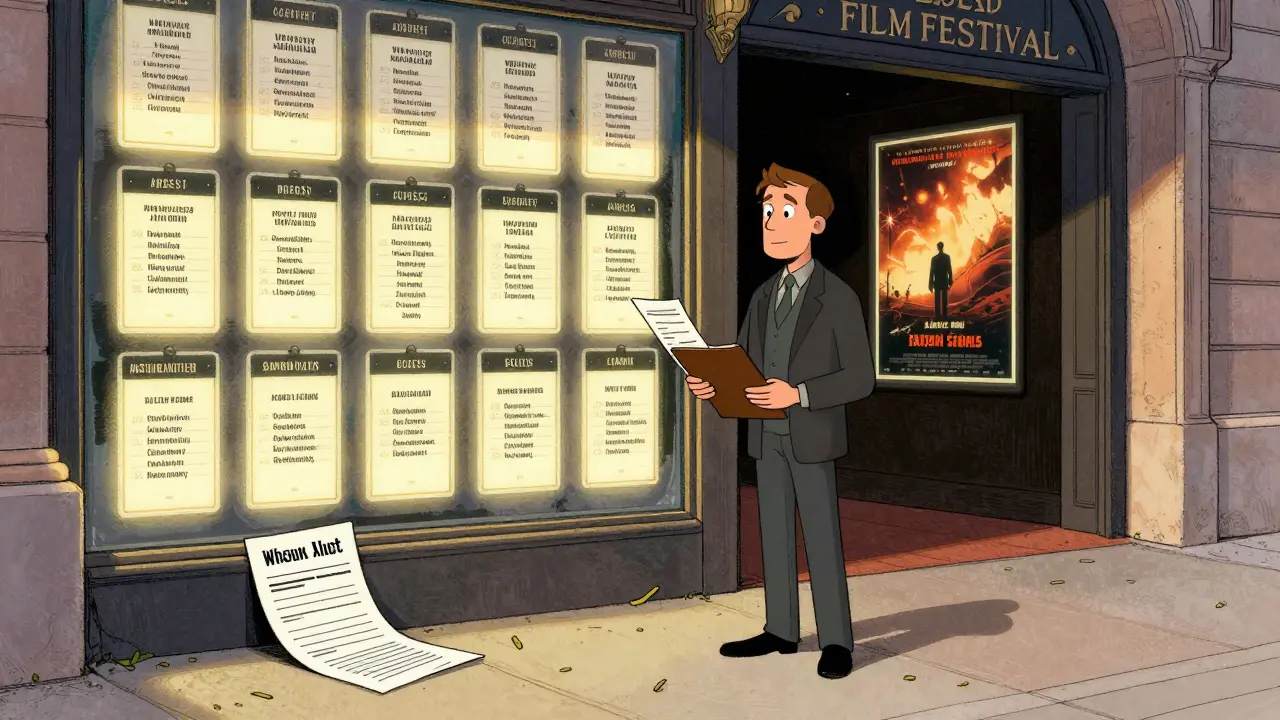
If your application gets denied, don’t give up. Here’s what to try:
- Reach out to smaller festivals. Locarno, Rotterdam, and San Sebastián are more open to emerging critics.
- Collaborate. Team up with a colleague who has accreditation. Share coverage. Build your portfolio.
- Write for free. Pitch to indie blogs or university journals. Build credibility.
- Attend public Q&As. Even without a pass, you can often attend open panels. Ask smart questions. Get noticed.
One critic I know started by covering a tiny film festival in Ireland. Two years later, she was accredited at Cannes. It wasn’t luck-it was consistency.
Final Thought: It’s Not About the Badge
The press pass isn’t the goal. The goal is to say something true about the films. To help audiences understand why a movie matters-not just that it’s “good” or “bad.”
The best reviews come from people who’ve seen dozens of films, not just the ones they’re assigned. Who read the director’s interviews. Who know the history of the genre. Who don’t just report the plot, but ask: What does this film reveal about the world right now?
That’s what festival organizers are looking for. Not just reporters. But thinkers.