
Blair Witch Project: The Found-Footage Horror That Changed Cinema
When Blair Witch Project, a 1999 indie horror film shot with handheld cameras and real actors pretending to be lost in the woods. Also known as The Blair Witch Project, it didn’t need special effects or jump scares—it used silence, confusion, and the fear of what you can’t see. It cost under $60,000 to make and earned nearly $250 million. No studio backed it. No stars starred in it. Just three actors, a camera, and a myth they made up as they went along.
The movie didn’t just scare people—it tricked them. Many viewers thought it was real. Radio stations got calls from parents asking if their kids were lost in Maryland. Online forums lit up with theories about the missing students. That’s the power of found-footage horror, a style that mimics real video recordings, often from victims’ POV, to create unbearable realism. It turned cinema into a conspiracy. You weren’t watching a movie—you were piecing together a crime scene. And that’s why films like REC, Paranormal Activity, and even Host owe their existence to it.
The supernatural thriller, a genre built on unseen forces, psychological dread, and the collapse of logic in The Blair Witch Project didn’t rely on ghosts with glowing eyes. It used folklore, missing persons cases, and the weight of isolation. The woods weren’t just a setting—they were a character. The camera shook because the actors were terrified. The audio crackled because the battery was dying. The silence? That was the scariest part. It didn’t need a monster. It just needed you to believe something was watching.
What makes this film still matter isn’t just its box office win. It’s how it proved that storytelling can beat budgets. A small team with a clear vision could outmaneuver Hollywood’s biggest machines. And it opened the door for a whole generation of filmmakers who didn’t need a crew of 50—just a camera, a story, and the guts to let the audience fill in the blanks.
Below, you’ll find posts that dig into the making of this myth, the ripple effects it caused across horror, and how its legacy lives on in everything from TikTok creepypastas to streaming originals. This isn’t just a movie. It’s a blueprint for fear—and it’s still being copied today.
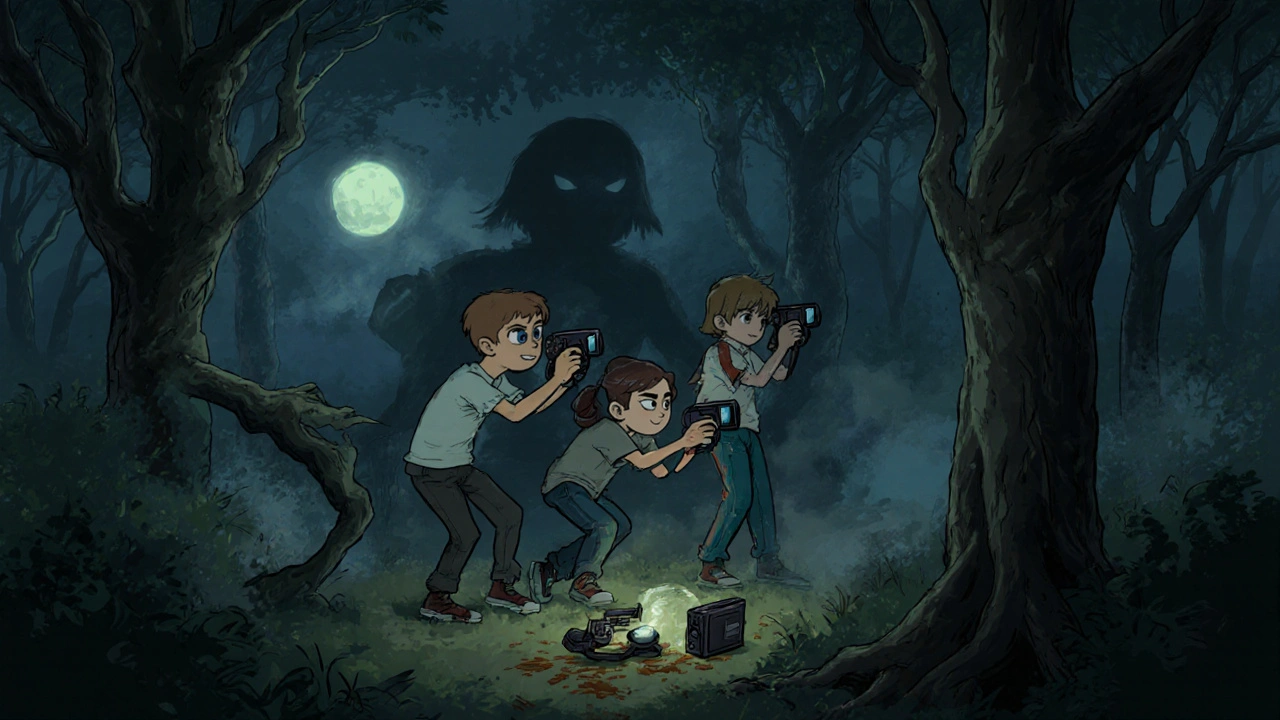
Best Found-Footage Horror Movies: DIY Terror That Feels Real
Found-footage horror films like The Blair Witch Project and Host use shaky cameras and real-time footage to create terrifyingly real experiences. Learn why this style works, which films are must-watches, and how the genre is evolving with new tech.