
Decentralized Internet: What It Is and Why It Matters
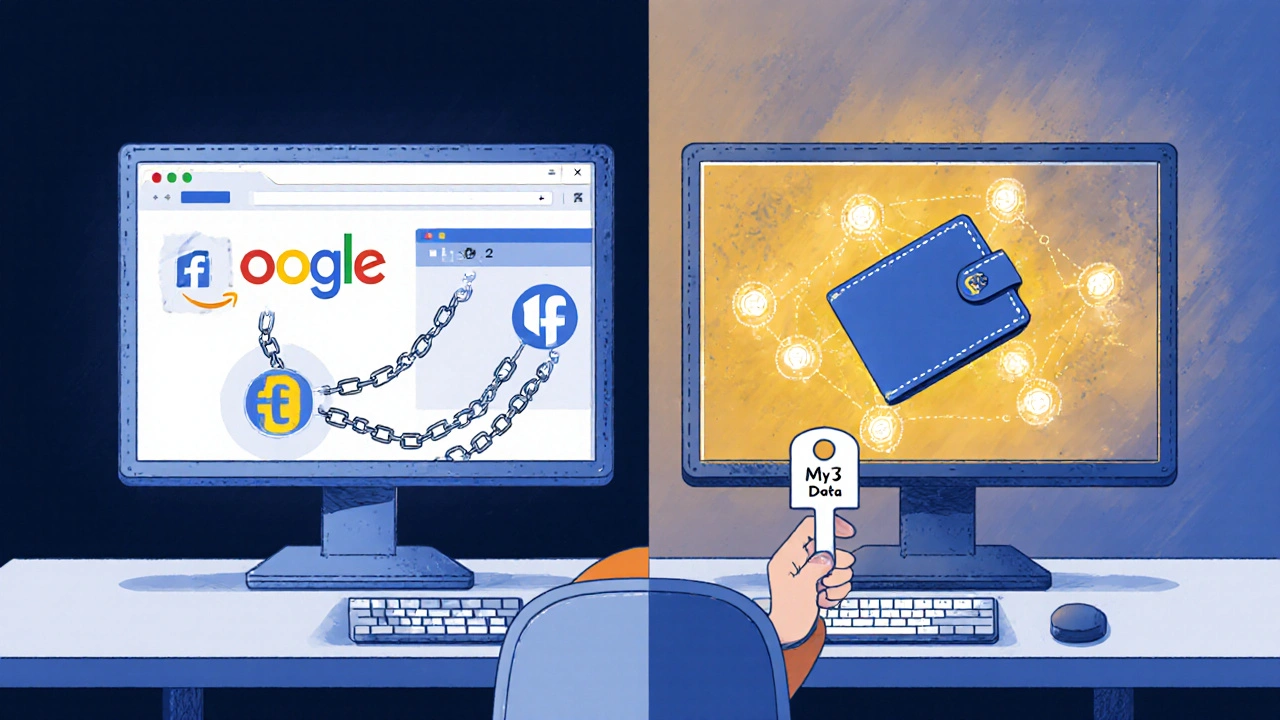
When we talk about the decentralized internet, a network where control and data aren’t owned by a single company but spread across thousands of users. Also known as Web3, it’s not just a tech buzzword—it’s a shift in who really owns your data, your voice, and your access to content. Right now, most of the internet runs on servers controlled by a handful of giants: Google, Meta, Amazon. They decide what you see, how much you pay, and even what gets taken down. But the decentralized internet flips that. It uses blockchain, a public, tamper-proof ledger that records transactions without a central authority to let users store files, stream videos, and even pay for content directly—no middleman needed.
Think of it like replacing a corporate-owned radio station with a global network of people broadcasting from their living rooms. That’s what peer-to-peer networks, systems where devices connect directly to each other instead of through a central server do for video and music. No more buffering because a single company’s server is down. No more paywalls because a studio owns the rights. This isn’t science fiction—it’s already happening in film distribution, indie streaming, and even how documentaries get funded. Projects like IPFS and Filecoin let creators upload movies directly to a network of hard drives around the world. If one node goes offline, the file still loads from another. And because payments can happen with crypto, artists get paid instantly, without waiting for a platform to cut a check.
What does this mean for you as a viewer? More control. Fewer ads. Better privacy. And the chance to support creators directly instead of feeding ads to shareholders. The posts below show how this shift is already affecting entertainment: from how Tidal delivers lossless audio without relying on big tech pipelines, to how found-footage horror films thrive on grassroots distribution, to how Ethereum gas fees mirror the cost of running a decentralized network. You’ll see how film theory and streaming tech are converging—not because of studio decisions, but because people are building alternatives. This isn’t about replacing the internet. It’s about rebuilding it, one user at a time.
What is Web3 in Crypto? A Simple Breakdown for Real Users
Web3 in crypto means owning your data and digital assets on a decentralized internet. No big companies in control. Just you, your wallet, and code that works for you.