
Epic Cinema: Grand Stories, Massive Scale, and Films That Leave a Mark
When we talk about epic cinema, a style of filmmaking defined by sweeping narratives, emotional depth, and visual grandeur that lingers long after the credits roll. Also known as cinematic epics, it’s not about explosions or runtimes—it’s about how deeply a story connects with something bigger than yourself. Think of a single moment that changes everything: a father’s silence in Magnolia, a lone warrior charging across a desert in Furiosa, or strangers crossing paths in Babel. These aren’t just scenes—they’re emotional earthquakes. Epic cinema doesn’t shout. It resonates.
What makes these films stick isn’t just the scale—it’s the auteur theory, the idea that a director’s personal vision shapes every frame, turning movies into unmistakable works of art. Also known as director-as-author, this concept explains why Paul Thomas Anderson’s films feel like no one else’s. His Magnolia isn’t just an ensemble drama—it’s a symphony of regret, chance, and quiet desperation. And when you watch Babel, you’re not just seeing interconnected lives—you’re feeling how language, distance, and misunderstanding can tear people apart, even when they’re reaching for the same thing. This isn’t random. Epic cinema thrives on cinematic storytelling, the deliberate use of image, sound, and structure to evoke emotion without relying on dialogue. It’s why Blade Runner doesn’t need a monologue to make you question what it means to be human. It’s why The Thing remake terrifies you not with jump scares, but with the slow realization that the person next to you might not be who they claim. These films demand attention. They ask you to sit still, to feel the weight of silence, to notice the way light falls across a face in golden hour, or how a single close-up can carry decades of pain.
You’ll find all of this in the collection below: films that didn’t just entertain, but reshaped how we see stories. From the raw truth of Cinema Novo to the quiet power of female-led action, from the intimate chaos of ensemble drama to the philosophical weight of sci-fi epics—these aren’t just movies. They’re experiences that stick. Some are quiet. Some are loud. All of them matter. Let’s see what’s left behind when the dust settles.
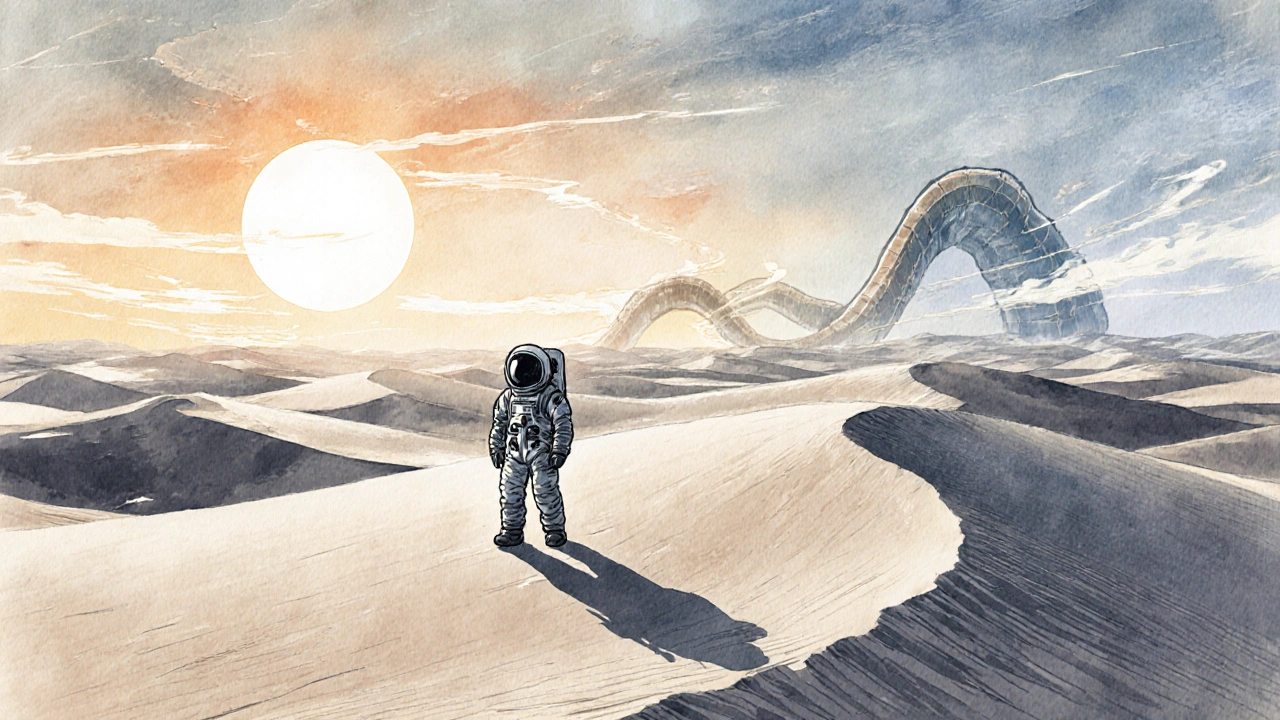
Denis Villeneuve: How Epic Scope and Intimate Detail Define His Cinema
Denis Villeneuve blends epic sci-fi scale with deeply personal storytelling. His films use silence, atmosphere, and emotional restraint to create unforgettable cinema that lingers long after the credits roll.