
Magnolia film
When you think of Magnolia film, a 1999 American ensemble drama written and directed by Paul Thomas Anderson that connects nine strangers through fate, grief, and unexpected redemption. It’s not just a movie—it’s a slow-burning storm of human messiness that refuses to look away. This isn’t your typical drama. No clean arcs. No tidy endings. Just people trying to say the right thing while everything falls apart around them.
Paul Thomas Anderson, the filmmaker behind Magnolia film, a landmark in modern American cinema known for its long takes, layered narratives, and deeply flawed characters, didn’t make this to entertain. He made it to make you feel something you can’t name. The film’s soundtrack, anchored by Aimee Mann’s haunting songs, isn’t background noise—it’s the heartbeat. And the rain? That final, surreal downpour isn’t a gimmick. It’s the universe saying, "Enough. I’m done pretending this is normal." Ensemble drama, a narrative structure where multiple characters’ stories unfold simultaneously, often intersecting in unexpected ways is what makes Magnolia film stick. You’ve got a dying game show host, a runaway teen, a struggling cop, a father who never learned how to love, and a woman who keeps trying to fix everyone else. Their lives don’t connect because of plot—they connect because they’re all broken in the same language. You’ll recognize your own silence in one of them.
It’s not easy to watch. But that’s the point. Unlike most films that smooth out the edges, Paul Thomas Anderson, a director known for his emotionally raw, visually bold storytelling that blurs the line between realism and surrealism lets the cracks show. The performances? Unfiltered. Tom Cruise as the toxic self-help guru? Terrifyingly real. Julianne Moore as the woman drowning in grief? You’ll forget it’s acting. And Philip Seymour Hoffman? He doesn’t play a man losing control—he becomes him.
If you’ve ever felt like you’re just one bad day away from collapsing, this movie sees you. It doesn’t offer hope. It doesn’t give answers. But it does something better—it says, "You’re not alone in this mess." That’s why, 25 years later, people still come back to it. Not because it’s pretty. But because it’s true.
Below, you’ll find posts that dig into the craft behind this film, the directors who shaped it, and the stories that echo its themes—from the quiet power of natural light in drama to how a single scene can change how we see cinema forever.
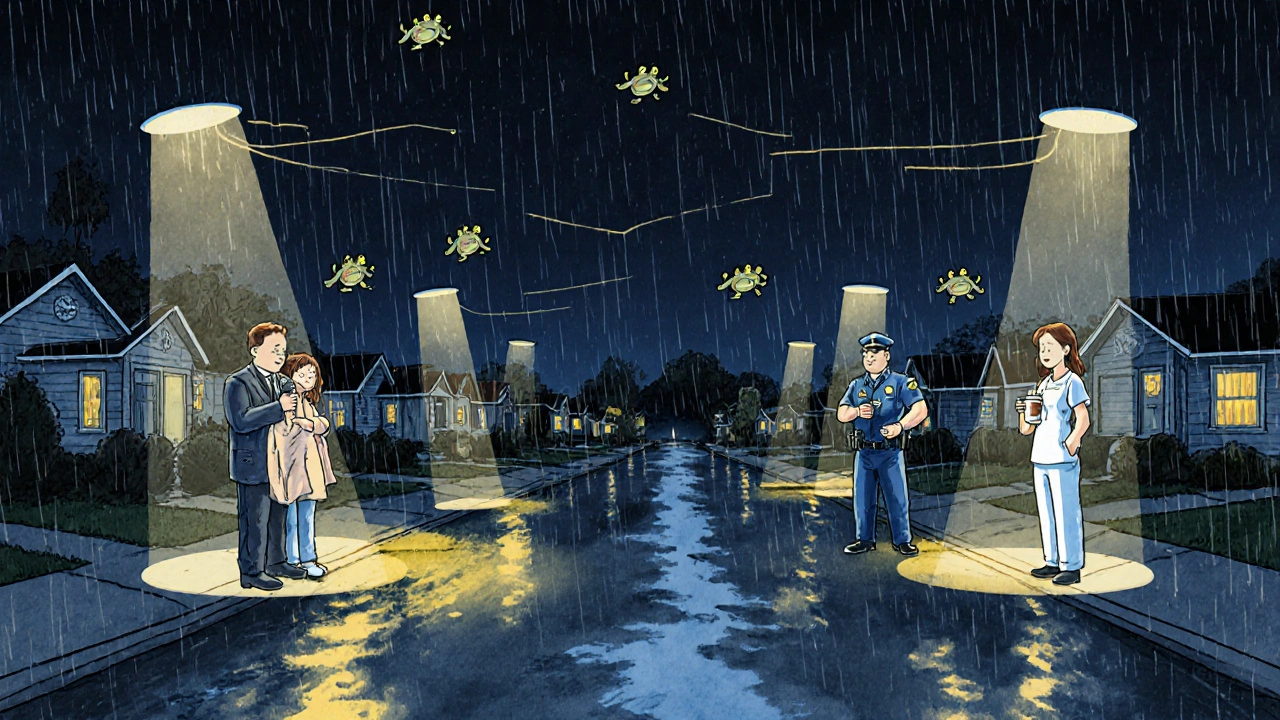
Ensemble Drama Analysis: Magnolia, Babel, and Interwoven Lives
An analysis of ensemble dramas Magnolia and Babel, exploring how interconnected lives reveal hidden emotional threads. These films show how silence, regret, and chance bind strangers across time and distance.