
Paul Thomas Anderson: Auteur of Modern Cinema and His Signature Style
When you think of a true Paul Thomas Anderson, an American filmmaker whose personal vision shapes every frame of his movies. Also known as P.T. Anderson, he doesn’t just direct films—he builds worlds that feel lived-in, messy, and deeply human. Unlike directors who chase trends, Anderson digs into the quiet fractures between people—the unspoken tensions, the desperate hopes, the awkward silences—and turns them into cinema that sticks with you long after the credits roll.
His work is a masterclass in auteur theory, the idea that a director is the primary creative force behind a film, imprinting their unique voice across every choice. You don’t need a logo to know it’s him: the long, unbroken takes that follow characters through crowded rooms, the swelling scores that swell with emotion, the characters who are flawed but never cartoonish. He’s the kind of filmmaker who lets silence speak louder than dialogue. His films cinematic style, a blend of intimate character study and grand visual storytelling aren’t just watched—they’re felt. Whether it’s the oil-soaked chaos of There Will Be Blood, the hazy nostalgia of Boogie Nights, or the quiet grief of Phantom Thread, Anderson’s fingerprints are all over them.
He doesn’t just make movies about people—he makes movies about how people fail each other, how they cling to meaning, and how they sometimes find grace in the most unexpected places. His actors don’t perform; they become. Daniel Day-Lewis didn’t play Daniel Plainview—he became him. Joaquin Phoenix didn’t portray Freddie Quell—he haunted the screen as him. And that’s the magic: Anderson creates space for actors to breathe, to stumble, to explode. He’s not interested in perfect heroes. He’s obsessed with broken souls trying to connect.
What makes his work even more compelling is how he blends genres. One moment you’re in a drug-fueled 70s porn set, the next you’re in a 1950s couture atelier, then you’re lost in a 1990s cult. He’s not bound by genre—he’s bound by truth. And that truth? It’s messy, loud, and rarely tidy. That’s why his films keep being talked about, dissected, and rediscovered.
In the collection below, you’ll find deep dives into his methods, his influences, and how he fits into the larger conversation about directors who leave a mark. From how he uses light to how he builds tension without music, these posts break down what makes Anderson not just a great director—but one of the few who redefine what cinema can be.
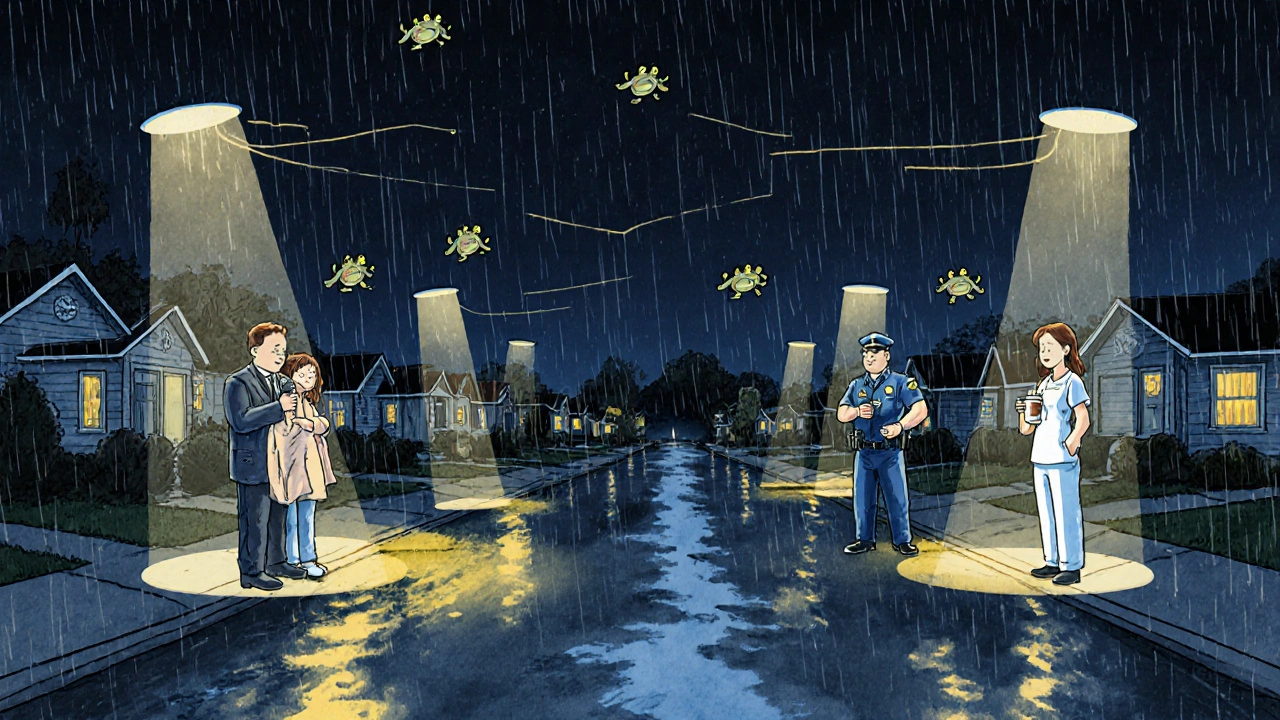
Ensemble Drama Analysis: Magnolia, Babel, and Interwoven Lives
An analysis of ensemble dramas Magnolia and Babel, exploring how interconnected lives reveal hidden emotional threads. These films show how silence, regret, and chance bind strangers across time and distance.