
Villeneuve Style: The Cinematic Signature of Denis Villeneuve
When you think of Villeneuve style, a distinct filmmaking approach defined by deliberate pacing, immersive sound design, and stark visual minimalism. It’s not just how Denis Villeneuve shoots a scene—it’s how he makes you feel the weight of silence, the tension in empty space, and the scale of human struggle against cosmic indifference. You don’t need explosions to feel dread. You just need a long shot of a desert highway, a low hum of bass, and a character staring into nothing—then you know you’re in a Villeneuve film.
This style doesn’t rely on quick cuts or flashy effects. It’s built on visual storytelling, the art of conveying emotion and narrative through composition, light, and movement rather than dialogue. Think of the way he frames a spaceship in Arrival—massive, silent, hovering over a field like a god. Or how he lingers on a character’s face in Prisoners as they piece together a truth too terrible to speak. slow-burn suspense, a technique where tension builds over minutes, not seconds, through atmosphere and anticipation is his weapon. He doesn’t scare you with jump cuts—he makes you afraid of what might happen next, and then makes you wait for it.
It’s no accident that his films often deal with loss, guilt, and the limits of human understanding. The cinematic tone, the consistent emotional and aesthetic mood that defines a director’s body of work in Villeneuve’s films is heavy, meditative, and often melancholic. He uses color like a language: cold blues for isolation, deep reds for hidden violence, and endless grays for moral ambiguity. His collaborators—cinematographer Roger Deakins, composer Johann Johannsson, editor Joe Walker—aren’t just technicians; they’re co-conspirators in building this world of quiet power.
What makes Villeneuve style so compelling isn’t that it’s unique—it’s that it’s consistent. Whether he’s adapting a sci-fi novel, a crime thriller, or a war drama, the fingerprints are always there: long takes, minimal music, deliberate pacing, and a refusal to explain everything. You’re not meant to be handed answers. You’re meant to sit with the unease, the beauty, the silence.
Below, you’ll find posts that dig into the techniques, influences, and films that echo this style—whether it’s the use of natural light in Arrival, the way silence carries emotion in Incendies, or how his visual choices shape the mood of Dune. These aren’t just reviews. They’re breakdowns of how one director turned restraint into a language all its own.
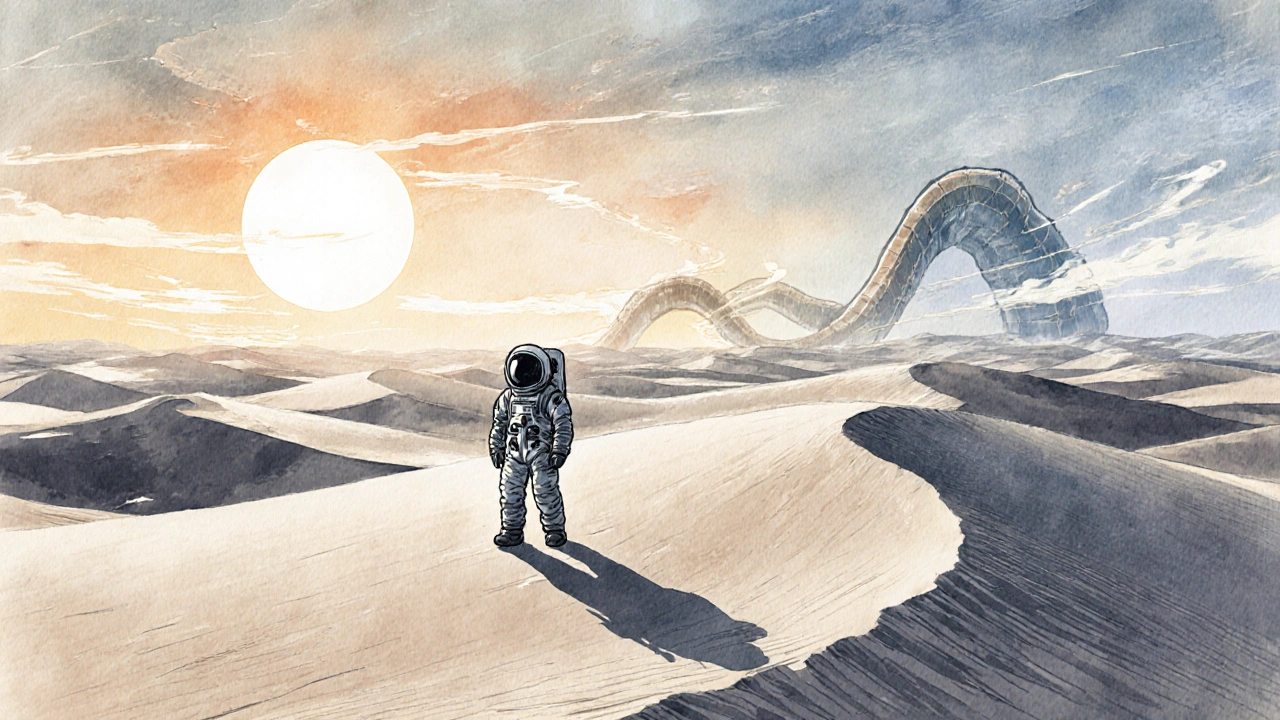
Denis Villeneuve: How Epic Scope and Intimate Detail Define His Cinema
Denis Villeneuve blends epic sci-fi scale with deeply personal storytelling. His films use silence, atmosphere, and emotional restraint to create unforgettable cinema that lingers long after the credits roll.