
The 1990s didn’t just give us grunge music and flip phones-it gave us some of the most enduring horror movies ever made. This decade took fear out of the shadows and put it in your living room, your school, your phone, and even your TV screen. You didn’t need a haunted house to be scared. Sometimes, all you needed was a ringing phone or a masked killer who knew your favorite movie. These weren’t just jump-scare flicks. They were cultural moments. And they still work today.
Scream: The Movie That Killed the Rules
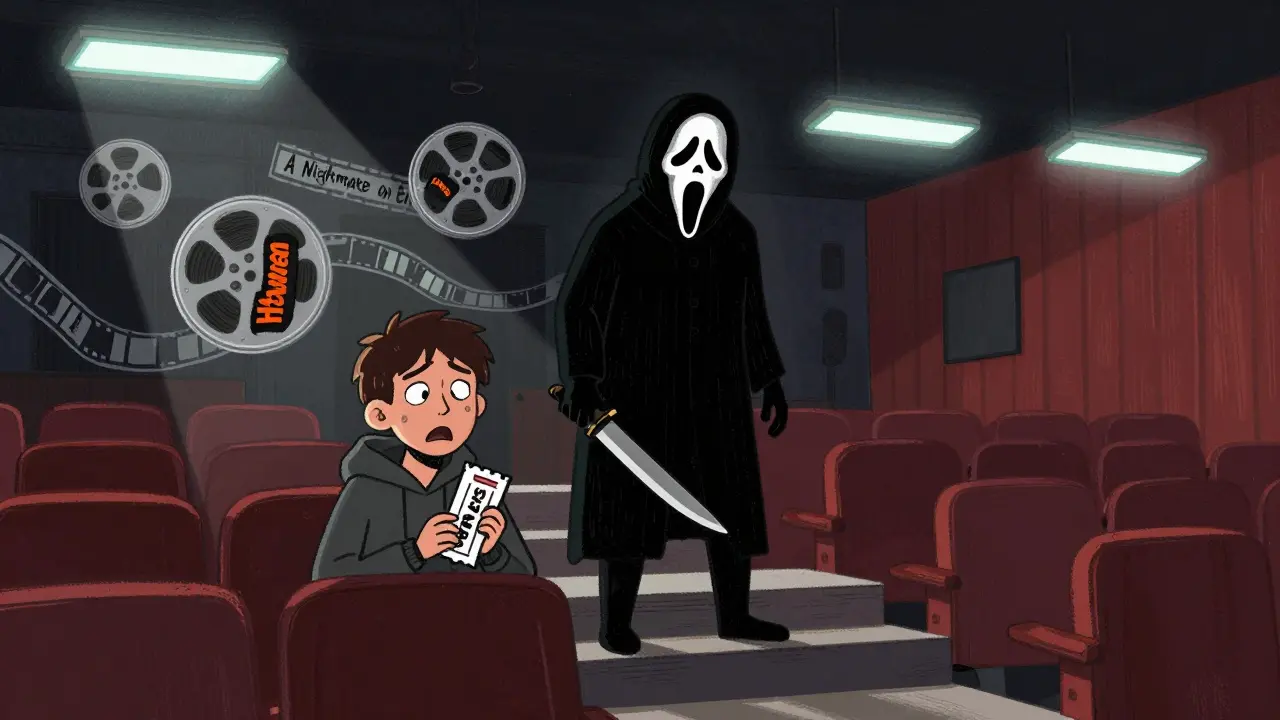
Before Scream came out in 1996, slasher films were tired. The rules were worn out: don’t have sex, don’t drink, don’t say ‘I’ll be right back.’ Audiences had stopped believing in them. Then Wes Craven, with a script by Kevin Williamson, turned the genre inside out. The characters in Scream knew the rules. They quoted Halloween and A Nightmare on Elm Street like they were studying for a test. And then they died anyway.
Neve Campbell’s Sidney Prescott wasn’t just a final girl-she was a girl who had been through trauma and still had to fight. Drew Barrymore’s opening scene? That wasn’t a cheap shock. It was a message: no one is safe. Not even the star. The killer’s mask became iconic. The voice behind it? Chilling. And the twist? It still lands today.
Scream didn’t just revive the slasher. It made horror self-aware. It made you laugh, then scream. And it proved that horror could be smart without losing its teeth.
Ringu: The Curse That Spread Through the Screen
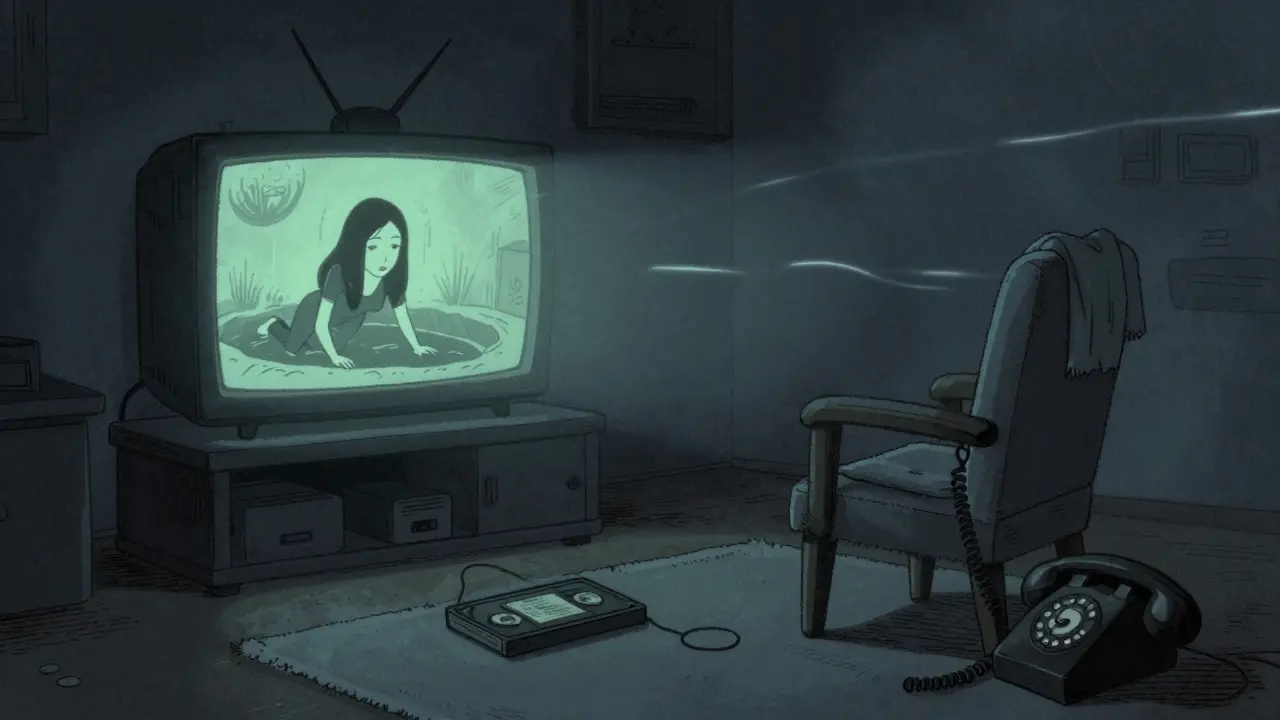
If Scream was a Western, then Ringu (1998) was a ghost story that crawled out of the TV. Based on Koji Suzuki’s novel, this Japanese film didn’t rely on gore. It used silence. It used a VHS tape. It used a woman’s face, pale and wet, crawling out of a well.
What made Ringu terrifying wasn’t the monster. It was the inevitability. Watch the tape. Call someone. Die in seven days. No escape. No explanation. Just a countdown. The film’s pacing was slow, almost boring-until it wasn’t. The scene where Reiko watches the tape in silence, the static building, the black-and-white images flickering… that’s horror at its most primal. It’s the fear of the unknown, the fear of technology turning against you.
It didn’t need jump scares. It needed you to sit there, alone, wondering if you’d already watched the tape. The ringtone? The phone call? That’s the sound of fate knocking. Ringu became the blueprint for modern supernatural horror. And yes, it inspired the American remake-but the original? It still haunts.
The Sixth Sense: The Twist That Changed Everything
Before The Sixth Sense hit theaters in 1999, no one expected a horror movie to win an Oscar for Best Director. M. Night Shyamalan didn’t just tell a ghost story. He told a story about loneliness, regret, and the quiet pain of being unseen.
Bruce Willis’s character thought he was helping a boy who saw dead people. The audience thought they were watching a psychological thriller. The twist? It wasn’t a cheap trick. It was the entire point. The moment you realize he’s been dead all along? It doesn’t make you jump. It makes you cry.
The film’s power came from restraint. No chainsaws. No demons. Just a boy whispering, ‘I see dead people,’ and an adult who couldn’t hear him. The red doors. The hand on the shoulder. The way the camera lingered on empty rooms. That’s horror that lingers in your chest long after the credits roll.
And that ending? ‘I see dead people.’ It’s not just a line. It’s a mantra. A reminder that some ghosts aren’t in houses-they’re in the silence between people.
The Blair Witch Project: The Found Footage That Scared the World
In 1999, three students went into the woods to make a documentary. They never came back. Or so the marketing said. The Blair Witch Project didn’t have a budget. It had a camera. And that camera became the most terrifying weapon in horror history.
The film’s genius was in its fake realism. No music. No monsters. Just shaky footage, whispers in the dark, and three people slowly losing their minds. The marketing campaign? It treated the film like a real missing persons case. Websites. Newspaper articles. Fake police reports. People called theaters asking if it was real.
The horror wasn’t in what you saw. It was in what you imagined. The rustling leaves. The distant scream. The sudden silence. The moment when the camera drops, and you hear breathing-too close, too fast. It made you feel like you were there. And that’s scarier than any mask.
The Blair Witch Project didn’t just start a trend. It rewrote the rules. Found footage became a genre. And for a while, every indie horror film tried to copy its cheap, grainy look. But none of them had the same dread. Because this one felt like it was real.
Stir of Echoes: The Haunting That Started With a Wish
Not every great horror film of the 90s got a sequel. Or a remake. Or even a wide release. Stir of Echoes (1999) flew under the radar. But for those who saw it, it stuck.
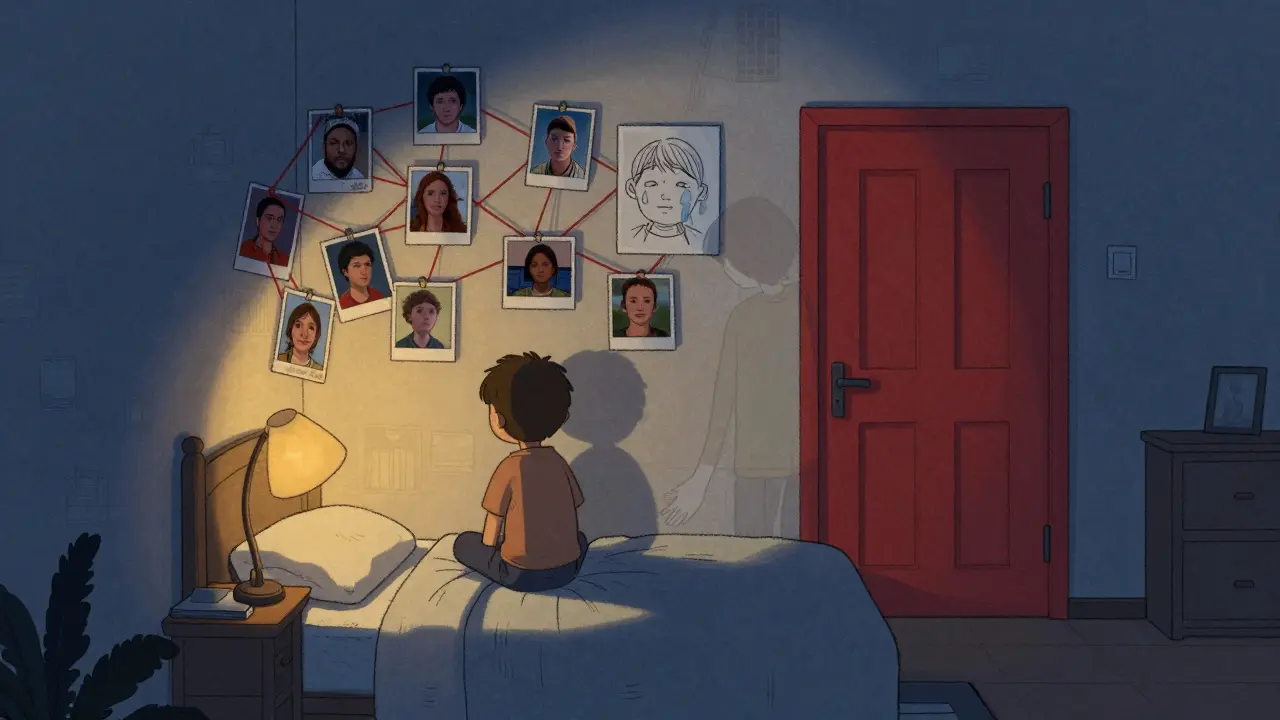
It’s about a working-class dad in Chicago who gets hypnotized at a party. He wakes up seeing visions-flashes of a missing girl, blood on the floor, a voice whispering from the walls. He starts digging. And the more he uncovers, the more the house starts to react. Doors slam. Lights flicker. The TV turns on by itself.
What made this film work? It didn’t use ghosts. It used guilt. It used grief. It used the fear that you might have caused something terrible by accident. The final scene? A child’s drawing. A name. A date. And a quiet, heartbreaking realization: you didn’t save her. You were part of the reason she died.
This isn’t a movie about monsters. It’s about what happens when you stop believing in coincidence.
Why These Movies Still Matter
The 90s horror scene didn’t just give us scary stories. It gave us stories that reflected the anxiety of a changing world. The internet was new. Phones were becoming personal. Television was everywhere. People were starting to feel watched. These films tapped into that.
Scream made fun of media saturation. Ringu made the TV a portal to death. The Blair Witch Project turned video cameras into evidence. The Sixth Sense showed that the dead are often the ones who are truly heard. And Stir of Echoes whispered: maybe the horror isn’t out there. Maybe it’s in what you’ve ignored.
These films didn’t just scare us. They made us think. They made us look closer. They made us question what we thought we knew.
And that’s why, 25 years later, they still work. You can watch them now. You can laugh at the fashion. You can roll your eyes at the VHS grain. But when the phone rings in the dark? You still check who’s on the other end.
What Made 90s Horror Different
Before the 90s, horror was about monsters. Werewolves. Vampires. Slasher villains with hockey masks. The 90s shifted the focus. It wasn’t about the creature anymore. It was about the fear inside you.
Technology became the new boogeyman. The phone. The TV. The tape. The internet. These weren’t just tools. They were doorways. And horror filmmakers knew it.
Also, the 90s let characters be smart. They didn’t run blindly. They talked. They questioned. They argued. They made mistakes. That made their deaths hurt more. You didn’t just feel scared. You felt connected.
And then there was the music. The silence. The slow build. No more cheap orchestral stings. Just wind. Static. A heartbeat. That’s what made you hold your breath.
Today’s horror often tries to copy these films. But most of them forget the core truth: the best horror doesn’t show you the monster. It shows you what you’re afraid of becoming.