
Why do we keep watching monsters? Not just because they jump out at us, but because they whisper something we already know. The creature in the dark isn’t just a scare-it’s a mirror. Horror doesn’t invent fear. It takes the fear we bury and gives it teeth, claws, or a human face that won’t stop smiling.
The Shape of Our Guilt
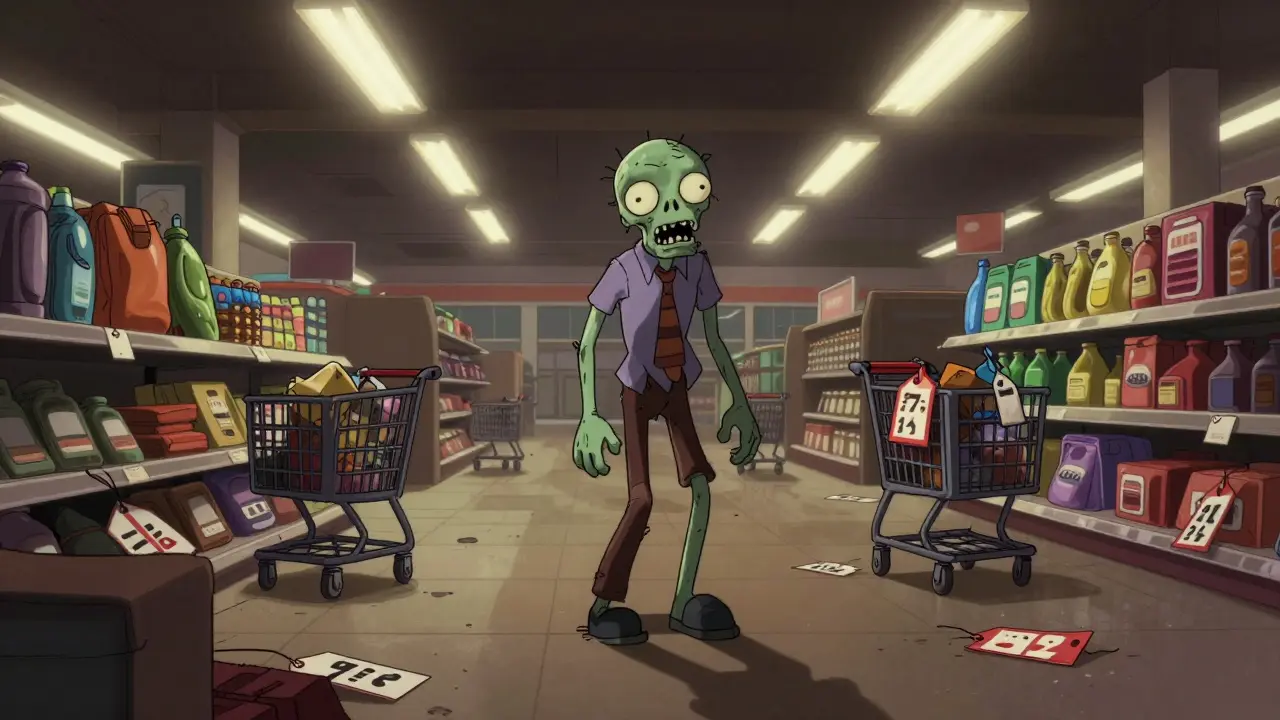
Think about the zombie. It’s not just a mindless eater. It’s what happens when society ignores the people it discards. In George A. Romero’s Dawn of the Dead, the zombies shuffle through a shopping mall, drawn to the things they once consumed. They’re not attacking because they’re hungry. They’re attacking because they’re trapped in the same cycle of want that killed them. The monster here isn’t the undead-it’s consumerism. The real horror isn’t the bite. It’s realizing you’ve been living like one of them.
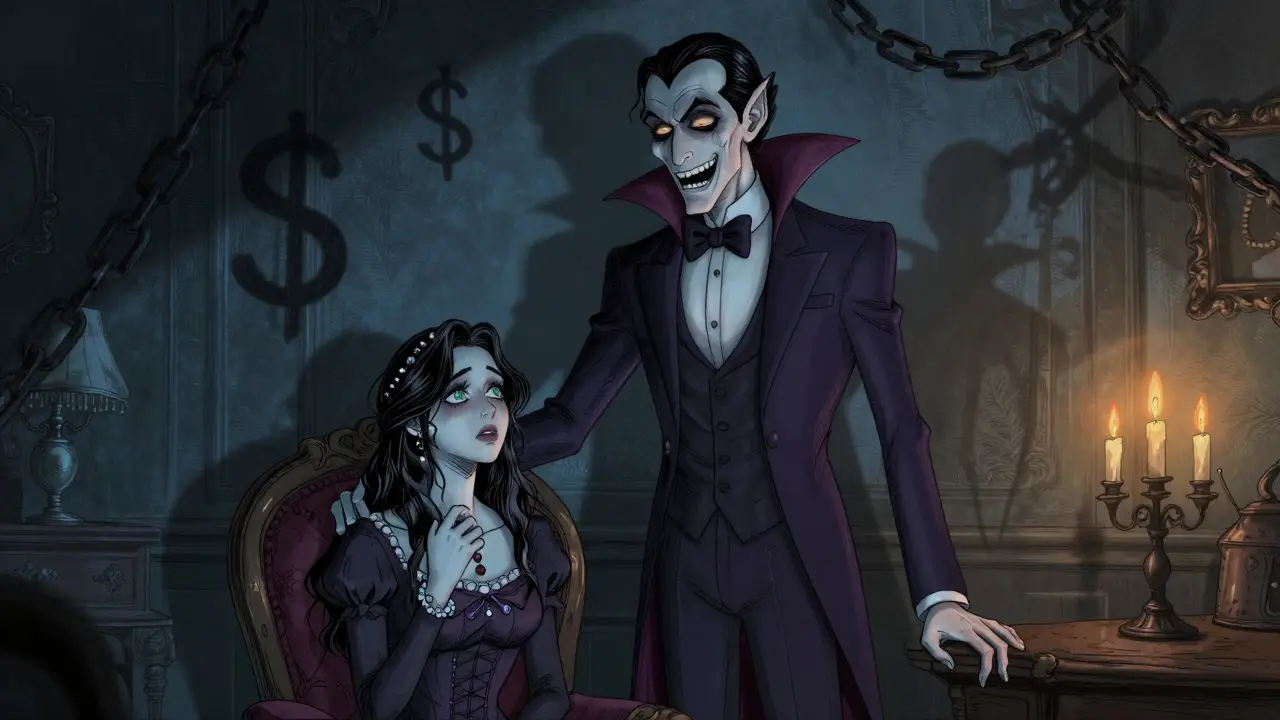
Same with vampires. They’re not just immortal bloodsuckers. They’re the rich. They’re the powerful. They live forever by feeding off the young, the weak, the forgotten. Bram Stoker’s Dracula didn’t just move to London-he moved into the heart of empire. He wasn’t a foreign invader. He was the colonial mindset made flesh: elegant, seductive, and utterly dependent on the suffering of others to survive. That’s why modern vampire stories still work. They’re about wealth inequality, exploitation, and the quiet violence of privilege.
The Monster as Trauma
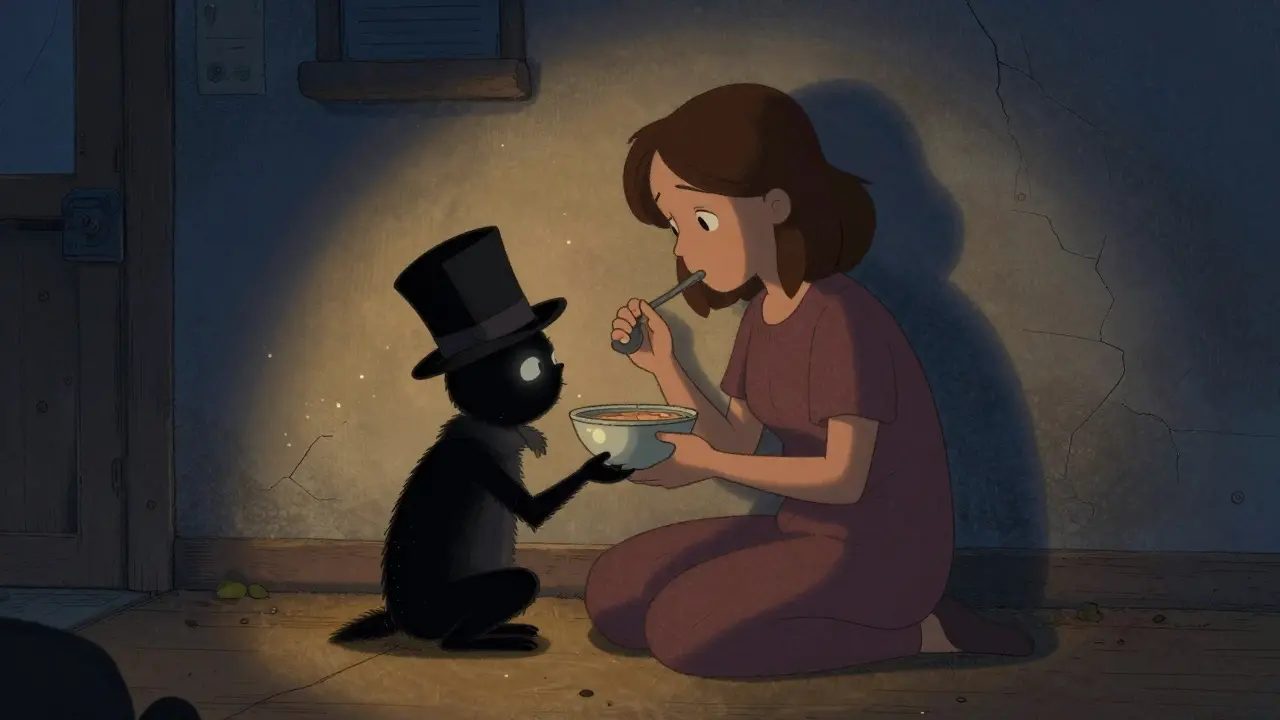
Not all monsters come from outside. Some crawl out of memory. In The Babadook, the creature doesn’t appear until the mother’s grief becomes too heavy to carry. It doesn’t attack randomly. It grows stronger every time she denies her pain. The monster isn’t a ghost. It’s depression. It’s unresolved loss. The film doesn’t end with the monster dead. It ends with the mother learning to live with it-keeping it in the basement, feeding it, not letting it control her. That’s the real horror: you can’t kill grief. You can only learn to carry it.
Same with the creature in It Follows. It doesn’t have a shape. It takes the form of whoever is closest. It moves slowly. It never stops. It’s not a demon. It’s anxiety. It’s the fear that comes after something you thought you could control-sex, intimacy, responsibility-turns into something you can’t escape. The only way to survive is to keep moving. But you can’t rest. And that’s the point.
The Monster as Society’s Shadow
Slasher villains like Michael Myers or Jason Voorhees don’t have backstories. They’re not driven by revenge or rage. They’re just… there. And that’s scarier. They’re not individuals. They’re systems. Michael Myers isn’t a person. He’s the idea that violence can be routine. That evil doesn’t need a reason. That it can live in plain sight, in quiet neighborhoods, under fluorescent lights. He doesn’t scream. He doesn’t explain. He just shows up. And that’s how real abuse works. It doesn’t come with a mask. It wears a smile.
Then there’s the werewolf. It’s not about the moon. It’s about repression. The transformation isn’t physical. It’s emotional. It’s the moment you lose control of who you’re supposed to be. In An American Werewolf in London, the protagonist doesn’t just turn into a beast-he becomes everything he was taught to hide: rage, lust, chaos. The monster is the self you’re not allowed to be. And society? It doesn’t help. It locks you up. Or kills you. Either way, it doesn’t want to understand.
The Monster as Change
Body horror isn’t about gore. It’s about transformation. David Cronenberg’s The Fly isn’t about a man turning into an insect. It’s about losing yourself to progress. The scientist doesn’t want to become a monster. He wants to revolutionize travel. But the machine doesn’t care about intent. It just changes. And once you start changing, you can’t stop. The monster here is technology. Not because it’s evil. But because it doesn’t ask if you’re ready.
Same with Alien. The chestburster doesn’t come from space. It comes from inside. It’s birth. It’s parenthood. It’s the moment your body stops belonging to you. The crew doesn’t fear the alien because it’s foreign. They fear it because it’s natural. Life doesn’t ask permission. It just happens. And that’s terrifying.
Why We Still Need Monsters
We don’t watch horror to escape reality. We watch it to face it. Monsters give shape to the shapeless. They turn abstract dread into something we can name, fight, and sometimes, understand. A demon isn’t a devil. It’s a symptom. A ghost isn’t a spirit. It’s a memory. A virus isn’t a disease. It’s a warning.
When we look at a monster, we’re not seeing fiction. We’re seeing truth dressed in fur, scales, or a child’s smile. The best horror doesn’t ask you to believe in monsters. It asks you to recognize them. And once you do, you can’t unsee them. You start noticing them everywhere-in the quiet parent who never speaks, in the CEO who never sleeps, in the policy that says ‘it’s just the way things are.’
Horror doesn’t tell you what to fear. It shows you what you’ve already been afraid to name.
Why do horror monsters often look human?
Monsters that look human are scarier because they’re familiar. A creature with claws and fangs feels distant. But a monster with your face, your voice, your smile-that’s the one that lingers. Think of the possessed child, the neighbor who acts too nice, the coworker who smiles while sabotaging you. These aren’t supernatural. They’re real. Horror uses human features to remind us: the worst things don’t come from outside. They come from inside us-or from people we trust.
Can a monster be sympathetic?
Absolutely. Some of the most powerful horror monsters are the ones you feel sorry for. Frankenstein’s creature isn’t evil-he’s abandoned. The Babadook is grief made visible. The alien in Prometheus is a weapon built by people who didn’t understand what they were creating. These monsters aren’t villains. They’re victims. And that makes their violence more tragic. It’s not malice. It’s desperation. When a monster is sympathetic, horror stops being about fear. It becomes about empathy.
Do all horror monsters represent something real?
Not every monster has a deep meaning, but the ones that stick around do. A random slasher in a cheap slasher film might just be there for thrills. But the monsters that become cultural icons-vampires, zombies, ghosts, werewolves-always carry something heavier. They’re metaphors because they survive. They’re retold because they still fit. If a monster keeps appearing across decades, it’s because society hasn’t solved the problem it represents. That’s why we still need them.
Why are modern horror monsters less scary than older ones?
It’s not that they’re less scary. It’s that we’ve seen the real monsters. The monsters of the 1970s and 80s-zombies, demons, slashers-were reflections of real anxieties: nuclear war, loss of faith, economic collapse. Today, we’re scared of things we can’t see: data harvesting, climate collapse, algorithmic bias. Those aren’t easy to show on screen. So modern horror tries to make them visible. But the real monsters now aren’t in the dark. They’re in your phone. They’re in your bank statement. They’re in the news you scroll past. That’s harder to film. And harder to fight.
Can a monster be a hero?
Yes, if the real villain is the world around it. In Godzilla, the monster isn’t the enemy. The humans are. They nuke the ocean, ignore warnings, and try to control what they can’t understand. Godzilla is the consequence. He’s not evil. He’s justice. In Shin Godzilla, the creature evolves faster than the government can react. He’s not attacking. He’s adapting. And the humans? They’re the ones who panic, bicker, and fail. The monster becomes the only thing that works. That’s not horror. That’s a warning.