

Wong Kar-wai doesn’t make movies. He makes moments-flickering, aching, unforgettable. His films don’t follow plots; they follow feelings. You don’t watch a Wong Kar-wai film-you live inside it, breathing the same humid air, tasting the same loneliness, feeling the same quiet desperation that lingers in the corners of his frames.
He Paints With Light and Time
Think of Wong Kar-wai not as a director, but as a painter who uses film instead of canvas. His signature style isn’t about what happens-it’s about how it feels when it happens. In In the Mood for Love, two neighbors in 1960s Hong Kong slowly realize they’re both being cheated on. There’s no explosive confrontation. No dramatic monologue. Just two people walking the same streets, wearing the same suits, sharing the same silence. The camera lingers on their backs as they pass each other in narrow hallways. A flicker of a glance. A half-smile. A teacup set down just a little too carefully.
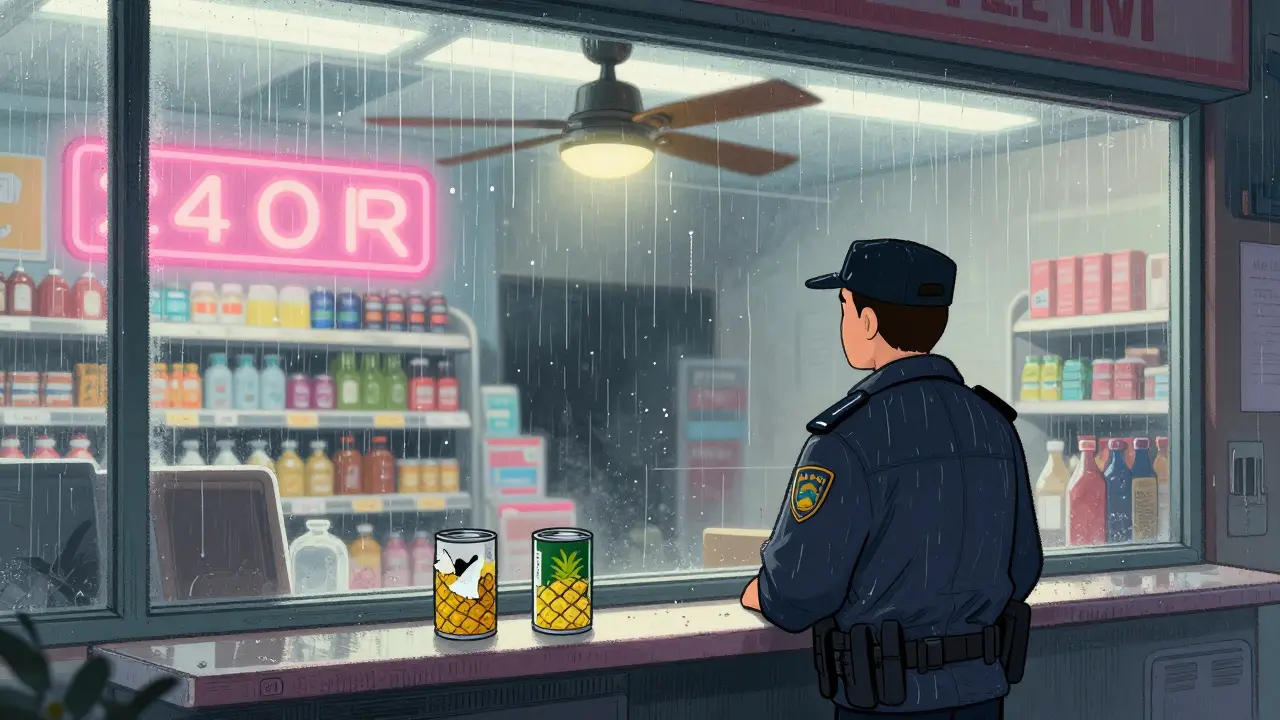
That’s the power of his visual language. He uses color like emotion. In Chungking Express, the neon glow of a 24-hour convenience store isn’t just set dressing-it’s the heartbeat of loneliness. The yellow lights reflect off rain-slicked pavement, turning the city into a dream you can’t wake up from. He shoots with a handheld camera that trembles like a nervous breath. The focus drifts. The edges blur. Time slows down. A clock ticks. A record skips. A character stares out a window for 37 seconds. You don’t get bored. You feel it.
Memory Isn’t Nostalgia-It’s a Ghost
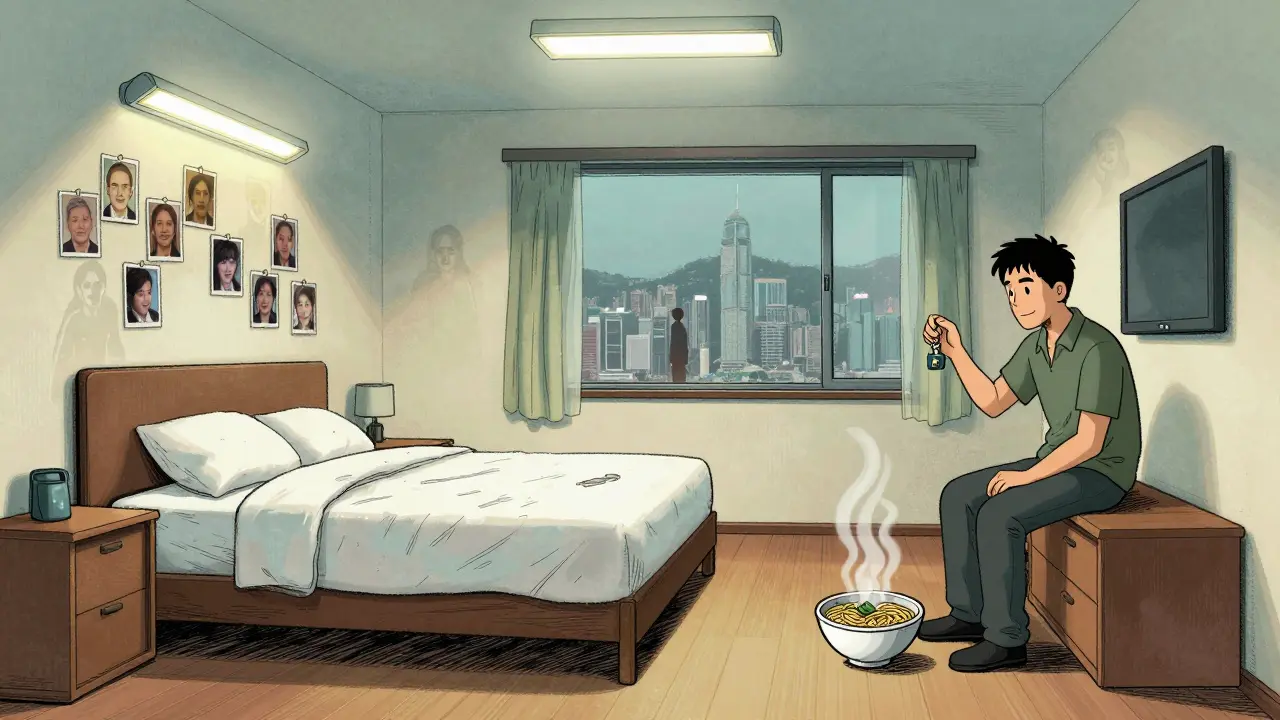
Wong’s characters are haunted-not by monsters, but by what’s missing. In 2046, a writer builds a hotel room to trap the memories of lost lovers. He doesn’t want to forget. He wants to keep them alive, frozen in time. But memory in his films isn’t warm or comforting. It’s sharp. It cuts. It returns like a recurring nightmare you can’t escape.
People in his movies often speak in half-sentences. They say things like, “I thought you’d be here,” or “I didn’t know you’d leave.” These aren’t lines. They’re wounds. His characters don’t resolve their pain. They carry it. Like a coat they never take off. In Days of Being Wild, a man spends years searching for his mother. When he finally finds her, she doesn’t recognize him. The camera holds on his face for a full minute. No music. No dialogue. Just silence. And the weight of a lifetime of longing.
Hong Kong as a Character
Wong’s films are inseparable from Hong Kong. Not the glittering skyline of Victoria Harbour, but the back alleys, the cramped apartments, the steam rising from noodle stalls at 3 a.m. His Hong Kong is a city that breathes with its people. It’s the flickering fluorescent tubes in a karaoke bar. The sound of a ceiling fan spinning too slow. The smell of wet wool and soy sauce.
He filmed Chungking Express during the handover period, when Hong Kong was caught between British rule and Chinese sovereignty. The city didn’t know who it was anymore. His characters don’t either. They drift through neighborhoods that feel both familiar and foreign. They wear the same clothes, eat the same food, but everything has changed underneath. The city becomes a mirror for their inner confusion.
Even when he films elsewhere-in Paris for My Blueberry Nights, or in Thailand for 2046-the feeling is still Hong Kong. It’s the same restlessness. The same quiet ache. The same inability to say what you mean.
Love Is a Missed Connection
Wong doesn’t believe in grand romantic gestures. His lovers don’t declare their feelings at train stations or under fireworks. They meet in the dark. They sit beside each other without touching. They exchange a pair of sunglasses. A can of expired pineapple. A keychain with a tiny key that doesn’t open anything.
In In the Mood for Love, Maggie Cheung’s character wears 25 different cheongsams. Each one is more beautiful than the last. But they’re not for him. They’re for herself. A way to hold onto dignity when everything else is slipping away. The man she’s with, Tony Leung’s character, never tells her he loves her. He doesn’t need to. The way he folds his coat when he leaves. The way he waits for her to turn the corner before he walks away. That’s his confession.
His romances aren’t about getting together. They’re about what happens when you can’t. The space between two people who want to be close but never are. That’s where his magic lives.
Sound Is Silence
Wong’s soundtracks are as important as his images. He doesn’t use music to tell you how to feel. He uses it to make you feel something you didn’t know you were carrying. The recurring use of Nat King Cole’s “Quizás, Quizás, Quizás” in Chungking Express isn’t just a nostalgic choice. It’s a haunting echo. The same song plays over and over, but each time, it means something different. The first time, it’s playful. The last time, it’s devastating.
He often replaces dialogue with ambient noise-the hum of a refrigerator, the drip of a leaky faucet, the distant wail of a siren. These aren’t background sounds. They’re the real dialogue. They carry the emotion his characters won’t speak.
Why His Films Still Matter
Wong Kar-wai’s films don’t fit into modern storytelling. They don’t have three-act structures. They don’t have clear villains or satisfying endings. They don’t give you answers. They give you questions that stay with you for years.
Why do we hold onto people who left? Why do we keep the things they forgot? Why does a single glance from someone you love feel heavier than a lifetime of words?
His movies aren’t about romance. They’re about absence. About the things we never said. The moments we let slip. The people we loved too quietly to keep.
He made his films in a city that was losing itself. And now, in a world that moves faster every day, his work feels more necessary than ever. We scroll. We swipe. We connect. But we don’t stay. We don’t wait. We don’t sit in silence with someone who means everything.
Wong reminds us that love isn’t always loud. Sometimes, it’s the quietest thing in the room.
Is Wong Kar-wai’s work difficult to understand?
Not because it’s complicated, but because it asks you to feel instead of analyze. His films don’t explain emotions-they let you live them. If you’re used to fast-paced plots or clear resolutions, his work might feel slow. But that’s the point. He’s not trying to tell you a story. He’s trying to make you remember your own.
What’s the best Wong Kar-wai film to start with?
Start with Chungking Express. It’s the most accessible-shorter, brighter, and full of quirky characters. The first half, with the cop and the girl in the convenience store, is a perfect introduction to his style: melancholy, funny, and visually stunning. If you like that, move to In the Mood for Love-it’s his masterpiece, but it demands patience.
Do his films have subtitles?
Yes. All his major films were made in Cantonese or Mandarin, and official releases include English subtitles. Avoid dubbed versions-they strip away the rhythm of the original dialogue. The pauses, the tone, the way words are half-spoken-it’s all lost in dubbing.
Are his films available on streaming platforms?
Yes, but availability varies. In the Mood for Love and Chungking Express are on Criterion Channel and MUBI. Some titles are only on physical Blu-ray. If you’re serious about watching his work, consider a Criterion Collection box set-they’ve restored his films with care, preserving the original color grading and sound design.
Why does he reuse actors like Tony Leung and Maggie Cheung?
He doesn’t cast actors-he casts souls. Tony Leung and Maggie Cheung don’t just play roles; they embody the emotional texture of his world. Their chemistry isn’t scripted. It’s built over years of collaboration. Leung has said he doesn’t always know what his character is feeling during a scene. That’s how Wong works-he wants authenticity, not performance. The result? Moments that feel real because they are.