
Bounce Light: How Soft Lighting Shapes Film and TV Scenes
When you see a scene that feels warm, natural, and emotionally grounded—like a quiet conversation in a living room or a slow walk at golden hour—it’s often not the sun doing the work. It’s bounce light, a lighting technique where light is reflected off a surface to soften and spread illumination. Also known as reflected light, it’s one of the most common, yet overlooked, tools in cinematography that turns harsh shadows into gentle transitions. You won’t find it in the script, but you’ll feel it in every frame.
Bounce light doesn’t need fancy gear. A white sheet, a foam board, or even a wall can turn a flat, ugly light into something that feels alive. It’s why a scene in Magnolia feels so intimate, or why the quiet moments in Babel carry so much weight. Directors and cinematographers use it to control mood without saying a word. It’s not about brightness—it’s about texture. It makes skin look real, not washed out. It hides harsh edges, softens backgrounds, and gives depth to spaces that might otherwise feel flat. In horror films like The Thing remake, bounce light keeps shadows from looking fake, making the terror feel grounded. In documentaries using cinéma vérité, it helps cameras capture emotion without disrupting the moment.
It’s also why so many streaming shows look so good—even on small screens. Whether it’s a Netflix drama or a Hulu original, bounce light is the invisible hand that makes actors look natural under LED panels. It’s the reason you don’t notice the lights at all. You just believe the scene. And that’s the point. You won’t find it listed in the credits, but if it’s missing, you’ll feel it. The scene will feel cold, staged, or artificial.
What you’ll find in this collection isn’t just a list of articles—it’s a look at how light shapes stories. From how Denis Villeneuve uses shadows to build tension, to how shot listing includes bounce light as a standard setup, these posts show you how the smallest choices in lighting make the biggest impact. Whether you’re a filmmaker, a curious viewer, or just someone who notices how a scene feels—you’ll see why bounce light isn’t just a technique. It’s a language.
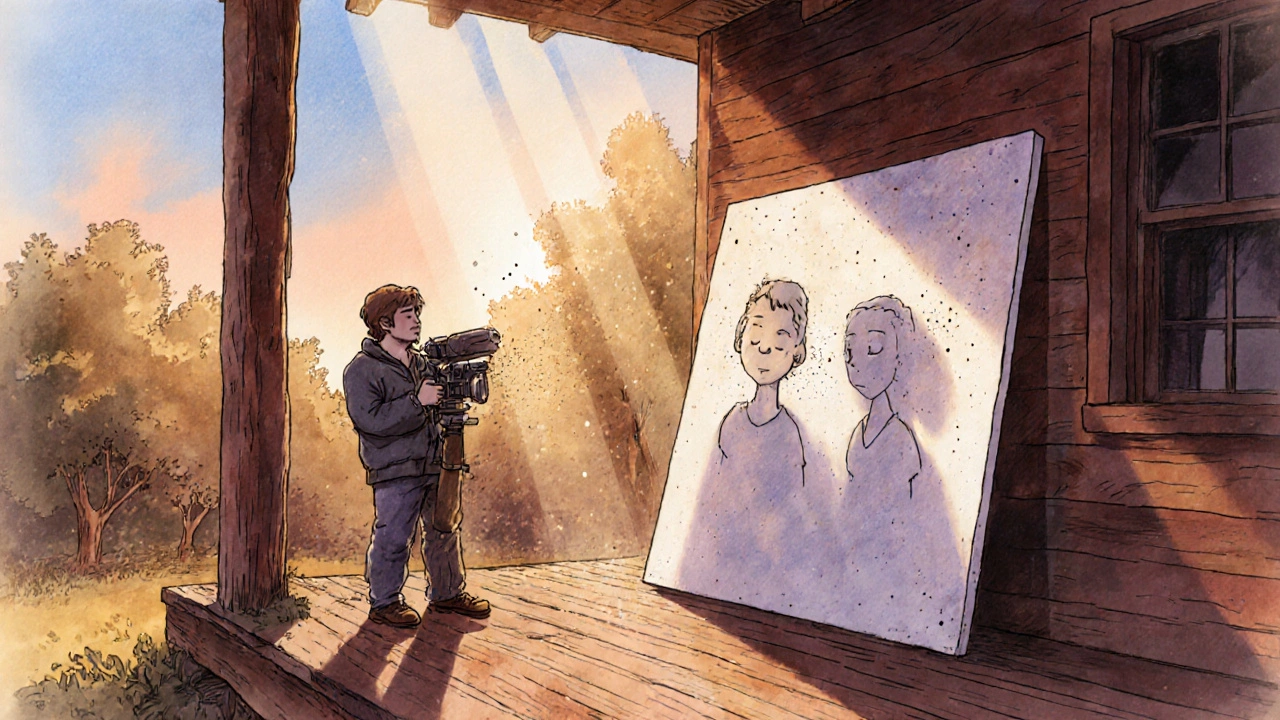
Natural Light Cinematography: Master Golden Hour, Negative Fill, and Bounce for Stunning Footage
Learn how to use golden hour, negative fill, and bounce light to create cinematic footage without artificial lights. Master natural light cinematography with practical tips and real-world examples.