
Brazilian Film: Discover the Power of Cinema Novo and Modern Social Drama
When you think of Brazilian film, a cinematic tradition rooted in social truth, political urgency, and poetic realism. Also known as Cinema Brasileiro, it doesn’t just tell stories—it exposes them. Unlike Hollywood’s polished narratives, Brazilian cinema grew from the streets, the favelas, and the quiet struggles of everyday people. It’s not about spectacle. It’s about seeing what others look away from.
Cinema Novo, a radical film movement that exploded in the 1960s. Also known as New Cinema, it was the heartbeat of a nation demanding change. Filmmakers like Glauber Rocha, a fiery auteur who turned cameras into weapons. Also known as the father of Brazilian New Wave, he made films that were loud, grainy, and unapologetic. His movie Black God, White Devil didn’t just show poverty—it made you feel its weight. Around the same time, Nelson Pereira dos Santos, a quieter but no less powerful voice who captured the soul of Brazil’s working class. Also known as the poet of Brazilian realism, he used simple scenes—a child eating, a woman waiting—to say everything. These weren’t directors. They were witnesses.
Today, that same fire still burns. Modern Brazilian film doesn’t need revolutions to make you feel something. It finds power in silence, in glances, in the spaces between words. Films like City of God and The Second Mother didn’t just win awards—they changed how the world sees Brazil. No grand sets. No Hollywood endings. Just raw humanity, shot on location, with non-professional actors who lived the stories. That’s the legacy. That’s why Brazilian film still matters.
What you’ll find below is a curated look at how this tradition lives on—in streaming guides, in deep dives into directors, and in the quiet films that slip under the radar but stay with you for years. Whether you’re new to Brazilian cinema or you’ve been watching since Entranced Earth, there’s something here that’ll make you see it differently.
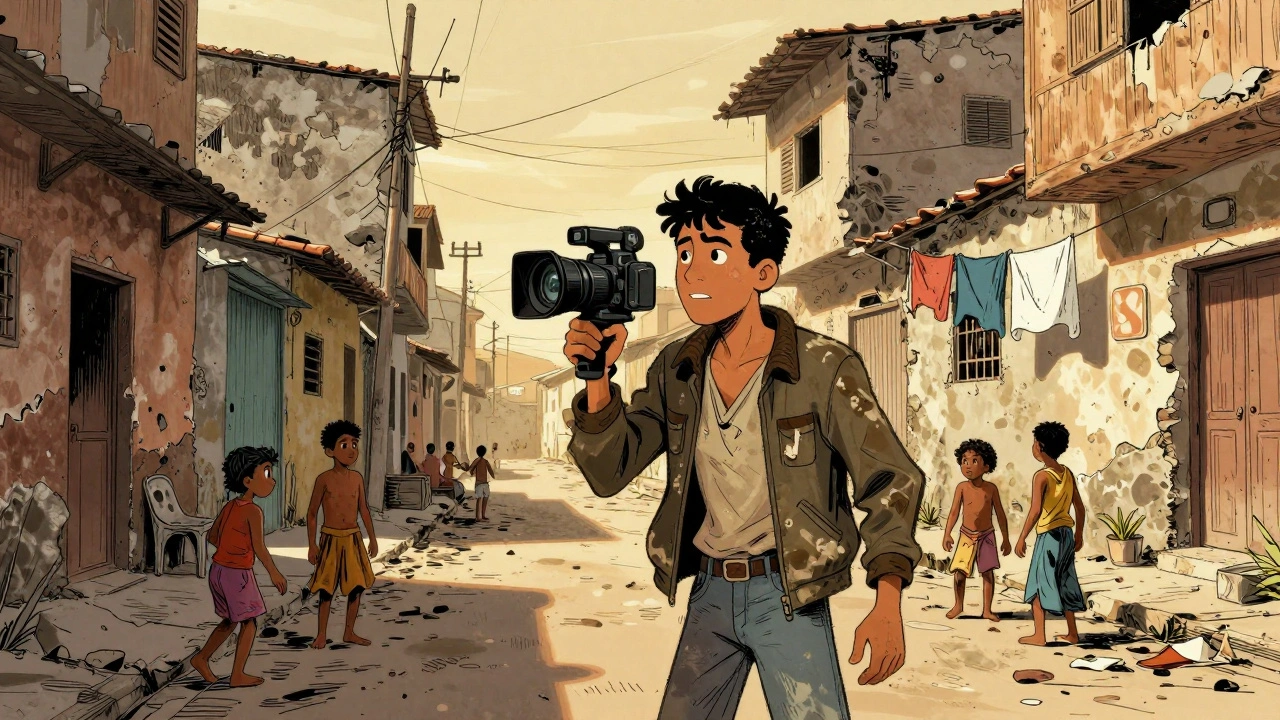
Latin American New Wave: From City of God to Roma
From the raw streets of Rio to the quiet courtyards of Mexico City, Latin American New Wave cinema gave voice to the voiceless. City of God and Roma are two landmark films that changed global cinema with truth, not spectacle.