
Cinema Novo: The Bold Brazilian Film Movement That Changed Global Cinema
When you think of powerful cinema, you might picture Hollywood epics or European art films—but Cinema Novo, a revolutionary film movement from 1960s Brazil that rejected polished studio films in favor of gritty, politically charged storytelling. Also known as New Cinema, it didn’t just make movies—it fought for change using cameras as weapons. Born out of economic hardship and political unrest, Cinema Novo was the answer to a film industry that ignored the lives of ordinary Brazilians. Directors like Glauber Rocha, Nelson Pereira dos Santos, and Ruy Guerra picked up cheap cameras, shot on location in favelas and backroads, and told stories about hunger, colonialism, and resistance. Their films weren’t meant to entertain—they were meant to wake people up.
Cinema Novo didn’t work alone. It was shaped by the same forces that fueled global revolutions: the rise of Third World cinema, the influence of Italian Neorealism, and the growing power of Marxist thought in Latin America. It borrowed from documentary truth-telling but added poetic fury. Films like Black God, White Devil and Entranced Earth didn’t just show poverty—they made you feel its weight. The movement also pushed technical boundaries: low budgets meant no studio lights, so they used natural light and handheld cameras to create a raw, urgent feel. This wasn’t just style—it was strategy. The shaky image, the untrained actors, the lack of polished sound—all of it was intentional. It was a rejection of the glossy, foreign-controlled cinema that had dominated Brazil for decades.
What made Cinema Novo unforgettable wasn’t just its politics—it was its heart. These films didn’t preach. They showed. A child scavenging for food. A farmer crushed by debt. A man singing in the street while his country collapses around him. The movement didn’t need big stars or fancy effects. It needed truth. And that truth echoed far beyond Brazil. Filmmakers in Africa, Asia, and Latin America saw themselves in these images. Cinema Novo proved that you didn’t need money to make something powerful—you just needed something to say.
Today, you can still feel Cinema Novo’s pulse in the work of directors who refuse to look away from injustice. Its spirit lives in the handheld realism of modern social dramas, in the quiet anger of films that spotlight the marginalized, and in the belief that cinema can be more than escape—it can be a call to action. Below, you’ll find posts that explore its legacy, its techniques, and the directors who carried its flame. Whether you’re new to Brazilian cinema or you’ve been waiting for someone to explain why it still matters, this collection is your starting point.
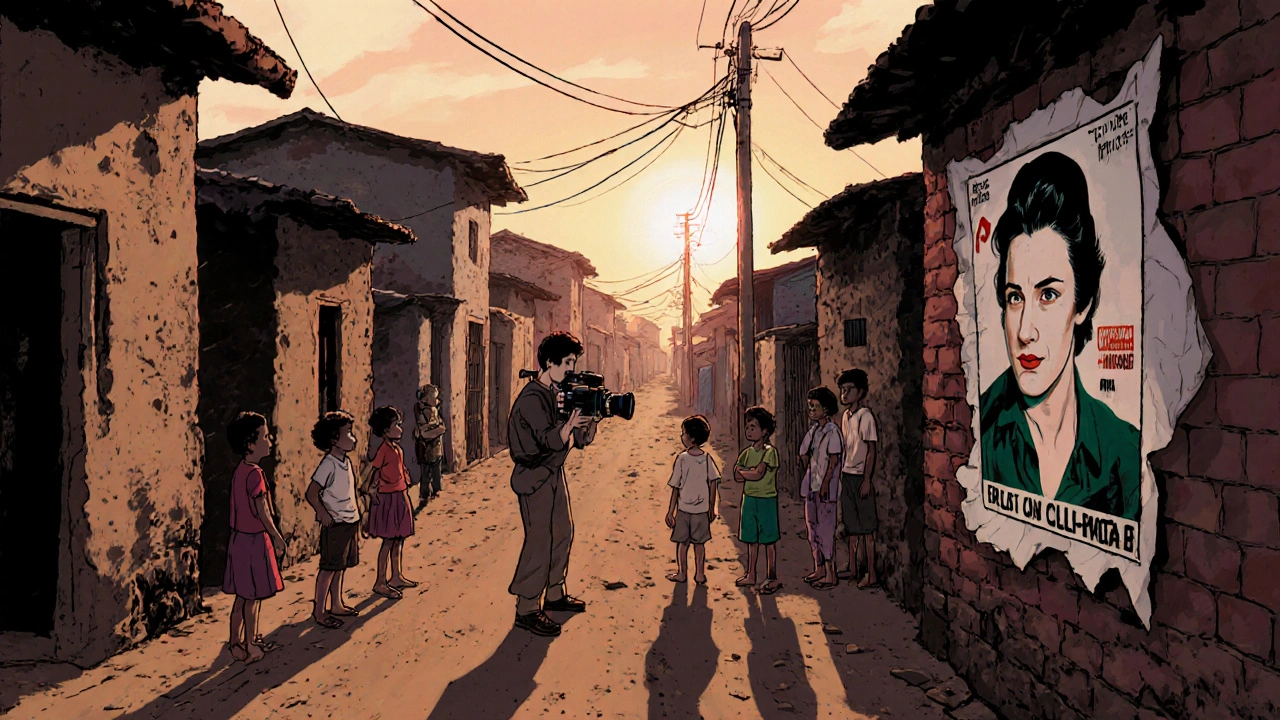
Brazilian Cinema: From Cinema Novo to Modern Social Drama
From the raw revolution of Cinema Novo to today’s sharp social dramas, Brazilian cinema has never shied away from truth. Discover how filmmakers turned poverty, politics, and silence into powerful stories that still resonate worldwide.