
City of God: Brazilian Cinema, Social Drama, and Raw Storytelling
When you think of City of God, a 2002 Brazilian crime drama that turned global attention to favela life through unflinching visuals and nonlinear storytelling. Also known as Cidade de Deus, it’s not just a film—it’s a cultural event that redefined how the world sees urban poverty, survival, and the cycle of violence in Rio’s favelas. This movie didn’t just get praised—it became a reference point for filmmakers who want to tell stories that feel real, not staged.
It’s rooted in Brazilian cinema, a tradition that began in the 1960s with Cinema Novo, a movement that used low budgets and real locations to expose social inequality. Also known as Cinema Novo, this movement rejected polished Hollywood-style storytelling and instead focused on the lives of the poor, the ignored, and the unheard. Social drama, a genre built on real human suffering, systemic failure, and quiet acts of resistance is what City of God perfected. It doesn’t preach. It doesn’t offer easy answers. It shows boys growing up with guns because they never saw another path. It connects to films like Babel and Magnolia in how it weaves multiple lives into one crushing truth—but it does it with a rhythm all its own. The director, Fernando Meirelles, didn’t cast actors—he found kids from the very neighborhoods the film depicts. That’s why the fear in their eyes feels real. That’s why the violence doesn’t feel like entertainment.
What makes City of God still matter today? Because it’s not just about Brazil. It’s about how systems fail children everywhere. It’s about how silence from the outside world lets violence grow. And it’s about how art—when it’s honest—can shake people awake. The film’s editing, its use of natural light, its refusal to romanticize poverty—all of it echoes in the indie films and streaming series you watch now. You’ll find similar themes in posts about Cinema Novo, how Brazilian filmmakers turned hardship into art, and how modern social dramas still carry its DNA. Below, you’ll see how this film connects to everything from low-budget filmmaking to how streaming platforms now showcase global stories that used to be ignored.
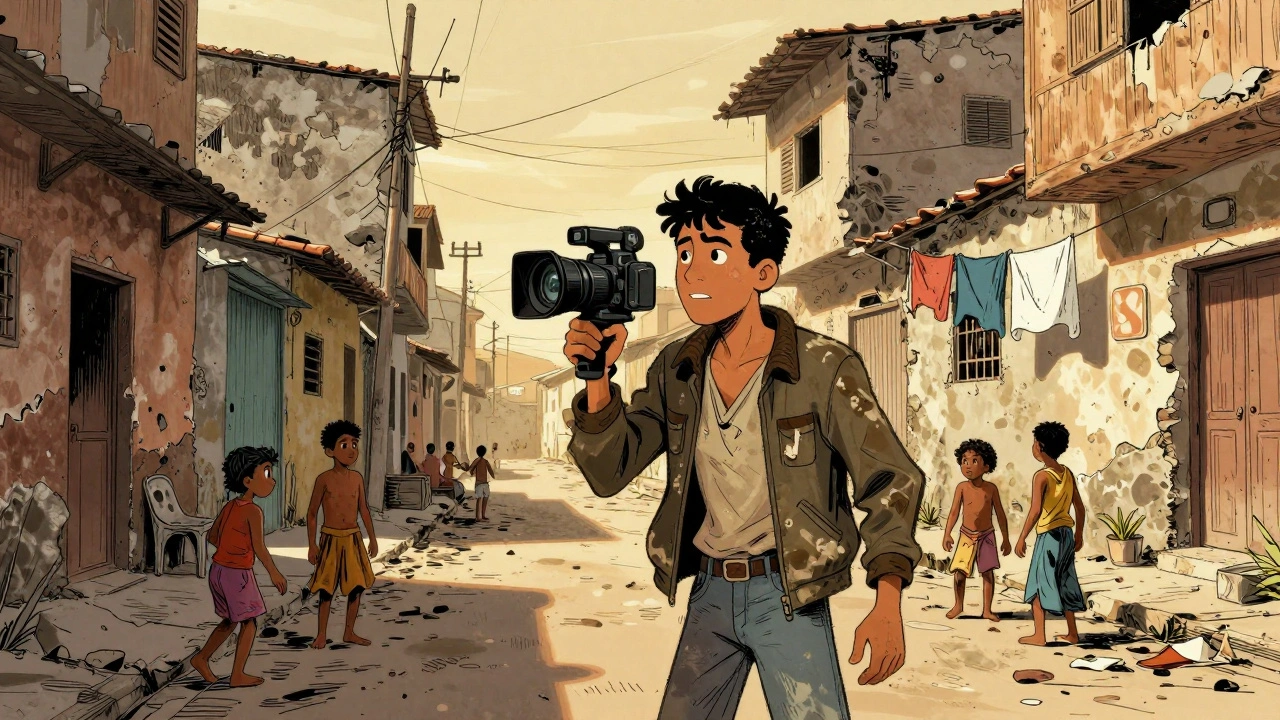
Latin American New Wave: From City of God to Roma
From the raw streets of Rio to the quiet courtyards of Mexico City, Latin American New Wave cinema gave voice to the voiceless. City of God and Roma are two landmark films that changed global cinema with truth, not spectacle.