
Copyright Music Live Stream: What You Can and Can't Play Online
When you copyright music live stream, the legal protection that gives creators control over how their songs are used, shared, or performed publicly. Also known as music licensing, it's not just about avoiding fines—it's about understanding what’s allowed when you hit go live on YouTube, Twitch, Instagram, or Facebook. Many streamers think if they don’t make money from it, they’re fine. That’s a myth. Playing a song in the background during a gaming stream, singing along to a hit track, or even using a 10-second clip as an intro can trigger automated takedowns—or worse, channel strikes.
It’s not just about the music itself. The music licensing, the system that grants permission to use recorded or composed music in public settings. Also known as performance rights, it’s managed by organizations like ASCAP, BMI, and SESAC in the U.S., and similar groups worldwide. These agencies track where songs are played, whether it’s on a radio station, in a bar, or during a live stream. Platforms like YouTube and Twitch have deals with some labels and publishers, but those deals don’t cover everything. If you play a song that isn’t in their licensed catalog, you’re still at risk—even if the platform doesn’t immediately block you.
And it gets messier with covers. Just because you sing a song yourself doesn’t mean you own the rights to it. You need a mechanical license to record it, and a separate performance license to stream it. Most small streamers don’t get either. That’s why you’ll see channels mute audio during certain songs or replace them with royalty-free tracks. It’s not about being boring—it’s about staying online.
Some people try to use "fair use" as a shield. But fair use is a legal defense, not a free pass. It applies in rare cases like commentary, parody, or education—not just playing your favorite album while you chat with viewers. Courts don’t look at how long the clip is or if you gave credit. They look at whether you’re replacing the original work or adding something new. Most live streams don’t meet that bar.
If you’re serious about streaming without constant fear of being muted or banned, you need to know your options. You can use services that offer licensed music for streamers, like Soundtrack by Twitch, Epidemic Sound, or Artlist. You can play music you wrote yourself. Or you can stick to public domain songs—old jazz tunes, classical pieces, or folk songs where the copyright has expired. There are even YouTube Audio Library tracks that are free to use, no strings attached.
And don’t forget the platforms themselves. Twitch lets you use certain songs through their Soundtrack tool. YouTube has its own Audio Library and Content ID system that sometimes lets you keep streams up if you share ad revenue. But these aren’t loopholes—they’re official, limited permissions. Outside those systems, you’re gambling with your channel.
What you’ll find below are real guides from streamers who’ve been there: how to fix a muted stream, which platforms actually let you play music legally, how to find copyright-free alternatives that sound good, and what to do if you get a strike. These aren’t theory pieces—they’re fixes, workarounds, and honest advice from people who lost streams over a single song. Whether you’re a gamer, musician, or just someone who likes to play tunes while talking to friends, this collection will help you stream without the fear of getting shut down.
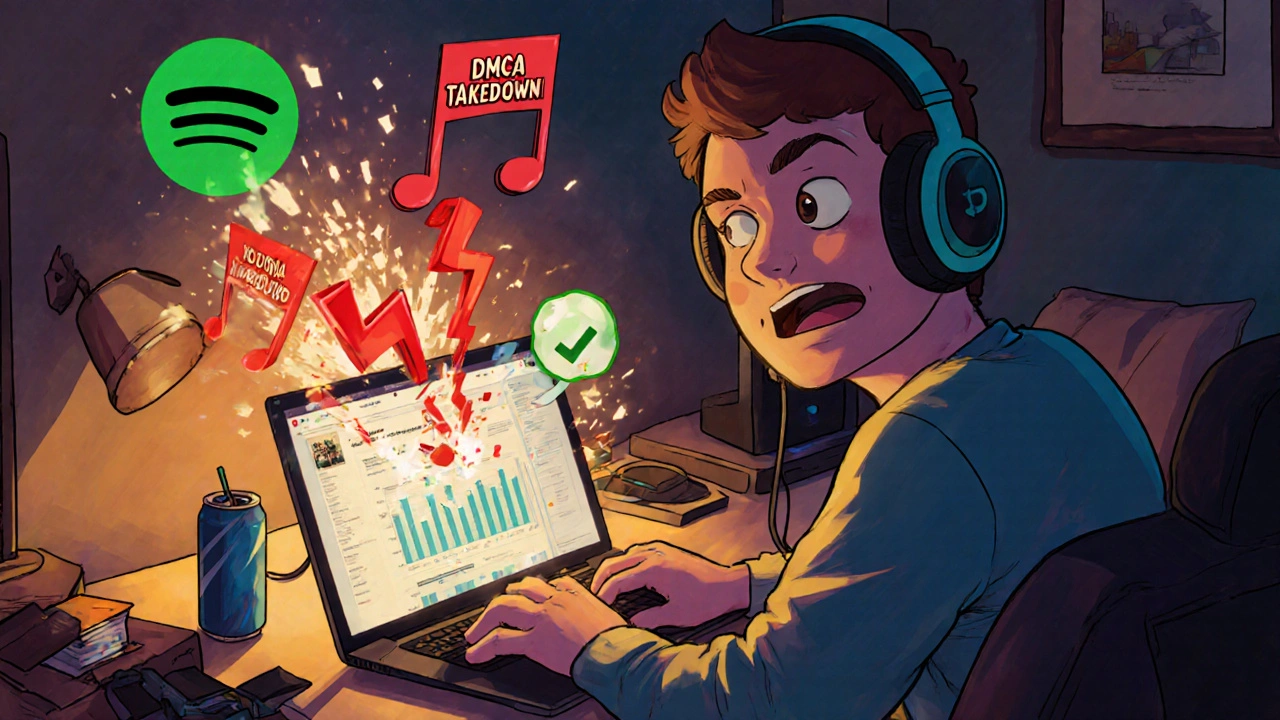
DMCA and Copyright for Live Streaming: Music and Video Rules You Can't Ignore
Learn the real rules around music and video copyright for live streaming. Avoid DMCA strikes, channel bans, and takedowns with clear, practical steps that actually work.