
Film Lighting: How Light Shapes Mood, Meaning, and Movie Magic
When you think about film lighting, the deliberate use of light and shadow to guide emotion, focus, and meaning in a movie. Also known as cinematographic lighting, it’s not just about making sure actors are visible—it’s how a director and cinematographer, the artist responsible for translating a script into visual language through camera and light turn a room into a prison, a hallway into a dream, or a face into a mystery. Think about the cold blue glow in Blade Runner 2049 or the warm golden haze in To All the Boys I’ve Loved Before. Those aren’t accidents. They’re choices. Every shadow, every highlight, every flicker is pulled from a toolkit built over a century of cinema.
Lighting techniques, specific methods like three-point lighting, chiaroscuro, or high-key vs. low-key setups used to control visual tone aren’t just textbook terms—they’re the silent actors in every scene. A single backlight can turn a character into a silhouette, hiding their fear or making them feel ghostly. A soft key light can make a moment feel tender, while harsh side lighting can carve out every line of guilt on a face. You don’t need a fancy camera to notice this—you just need to watch. In Denis Villeneuve films, light doesn’t just illuminate—it breathes. Silence gets weight. Space gets tension. That’s lighting doing the heavy lifting while the actors speak.
And it’s not just about drama. Even in a rom-com, lighting tells you if the love is real or fleeting. A bright, even glow in Crazy Rich Asians says luxury and control. A dim, uneven lamp in a quiet kitchen scene says exhaustion, secrets, or regret. cinematography, the art and science of capturing moving images with camera and light is the invisible hand guiding your feelings. You don’t notice it until it’s gone—or until it’s done perfectly.
What you’ll find below isn’t a list of gear or technical manuals. It’s a collection of real films where lighting didn’t just help the shot—it defined the story. From the raw, handheld truth of cinéma vérité, a documentary style that captures life as it happens, using natural light and minimal interference to the sculpted shadows of noir, these posts show how light isn’t background—it’s the main character.
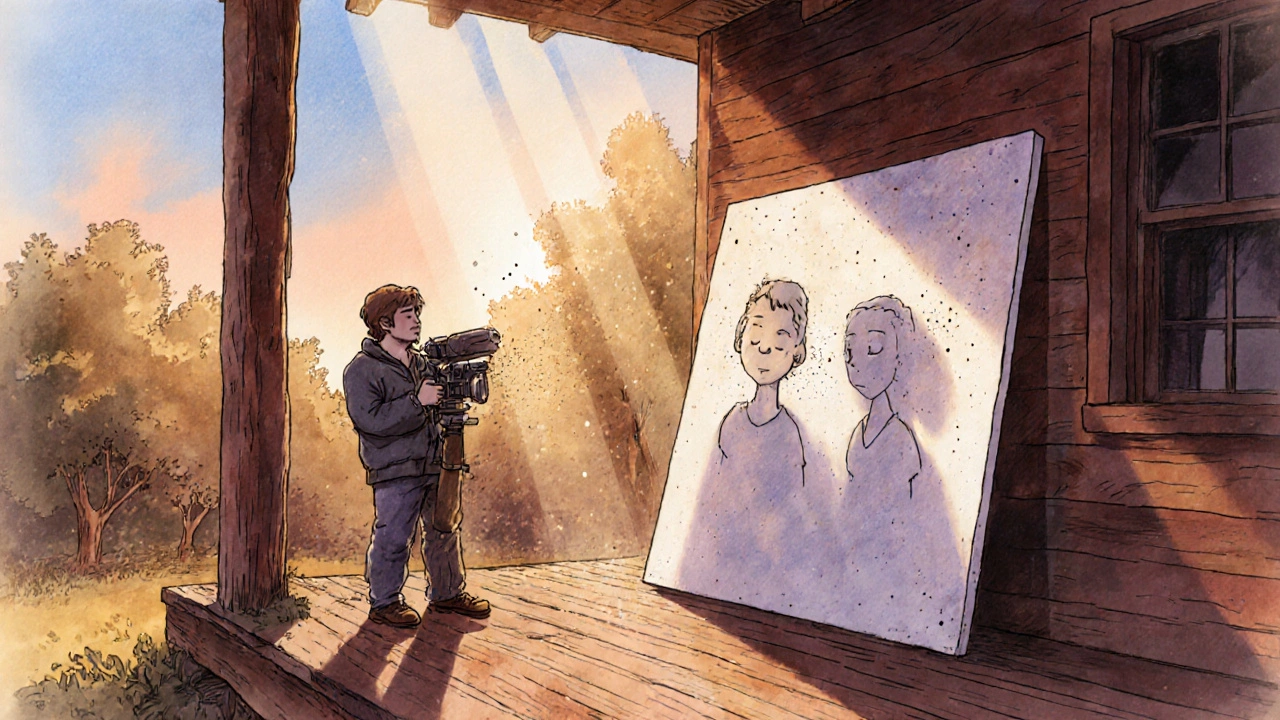
Natural Light Cinematography: Master Golden Hour, Negative Fill, and Bounce for Stunning Footage
Learn how to use golden hour, negative fill, and bounce light to create cinematic footage without artificial lights. Master natural light cinematography with practical tips and real-world examples.