
Glauber Rocha: The Revolutionary Filmmaker Who Redefined Latin American Cinema
When you think of Glauber Rocha, a Brazilian filmmaker whose raw, poetic style ignited a cinematic revolution in the 1960s. Also known as the father of Cinema Novo, he didn’t just make movies—he built a movement. His films weren’t meant to entertain. They were meant to shake you awake. While Hollywood chased box office hits, Rocha turned cameras on poverty, colonialism, and violence in Brazil, using grainy film, chaotic editing, and mythic imagery to force viewers to see what society ignored.
He didn’t work alone. Cinema Novo was a team effort—writers, actors, and activists who believed film could be a tool for liberation. Rocha’s 1964 film Black God, White Devil didn’t just tell a story about a runaway slave—it turned that story into a biblical allegory of oppression. His 1967 masterpiece Antonio das Mortes mixed Western tropes with Amazonian folklore, creating something never seen before: a political film that felt like a fever dream. These weren’t just movies. They were manifestos. And they inspired filmmakers from Iran to Cuba to stop imitating Europe and start telling their own truths.
Today, you’ll find his fingerprints all over modern cinema. Directors like Pedro Almodóvar, Apichatpong Weerasethakul, and even Alejandro González Iñárritu carry his DNA. His belief that art must be urgent, unpolished, and unafraid still echoes in indie films that reject slick production in favor of raw emotion. You won’t find Glauber Rocha’s films on every streaming service, but when you do, they hit differently. They demand your attention. They don’t ask you to sit back. They ask you to rise up.
Below, you’ll find posts that explore the ideas he started—the fight for authentic storytelling, the power of film as protest, and how a single director can change the way a nation sees itself. Whether you’re new to his work or revisiting it, these pieces will help you understand why Glauber Rocha still matters.
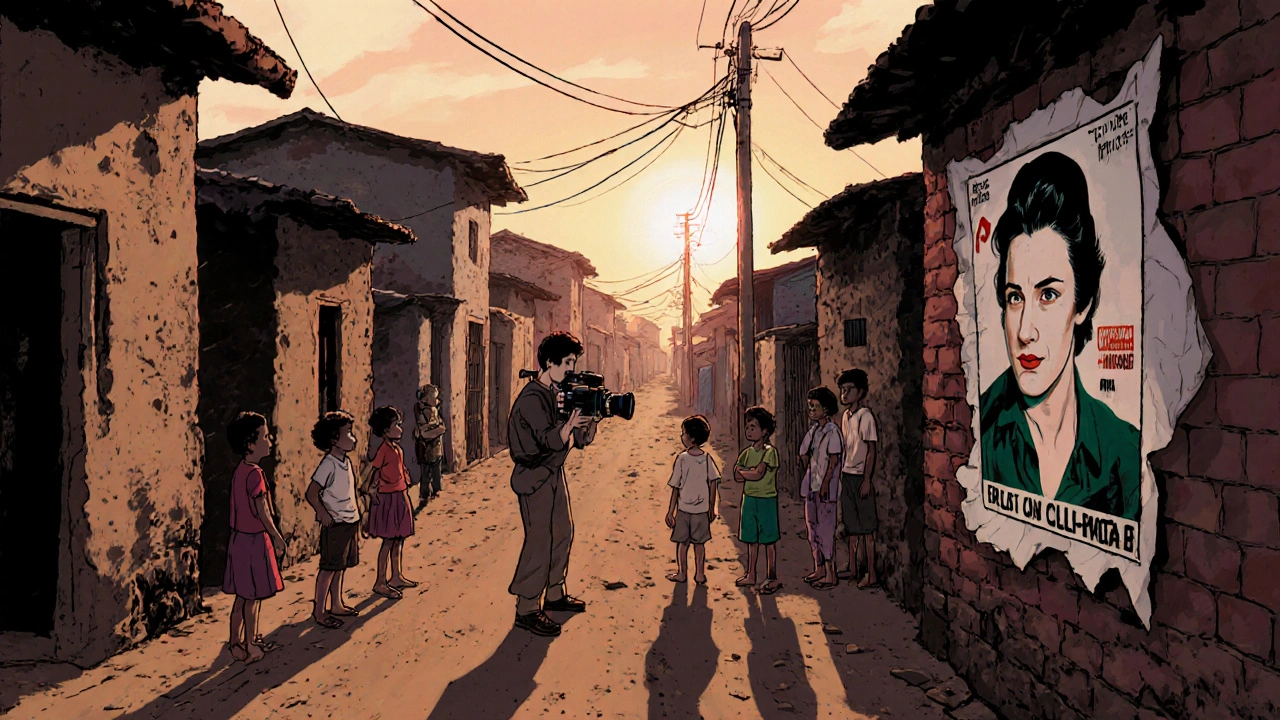
Brazilian Cinema: From Cinema Novo to Modern Social Drama
From the raw revolution of Cinema Novo to today’s sharp social dramas, Brazilian cinema has never shied away from truth. Discover how filmmakers turned poverty, politics, and silence into powerful stories that still resonate worldwide.