
Golden Hour: The Magic Light in Film and Photography
When the sun dips low just after sunrise or before sunset, the light doesn’t just change—it golden hour, the brief window of soft, warm, directional light that occurs twice daily, prized by filmmakers and photographers for its emotional power. Also known as magic hour, it’s not just a time of day—it’s a tool. This isn’t about bright midday sun. It’s about the glow that turns ordinary streets into poetry, faces into portraits, and silence into feeling. No filters needed. No fancy gear. Just the sun doing what it does best when it’s tired and ready to rest.
Why do directors like Denis Villeneuve and Paul Thomas Anderson wait hours for this light? Because cinematic lighting, the deliberate use of natural and artificial light to shape mood, depth, and narrative tone in film isn’t just technical—it’s emotional. Golden hour gives you shadows that hug instead of cut, highlights that caress instead of blind, and color that feels alive. It’s the reason scenes in Blade Runner 2049 and Magnolia stick with you long after the credits. The light doesn’t just show the scene—it becomes part of the story. And it’s not just for big-budget films. Even indie filmmakers and smartphone creators use golden hour to make their work feel cinematic without spending a dime.
Photographers know this too. golden hour photography, the practice of capturing images during the short window of optimal natural light, often used to enhance skin tones, textures, and atmosphere is the secret behind those Instagram-worthy shots that don’t look edited. It’s why families choose this time for portraits, why wedding videographers plan their whole day around it, and why landscape shooters hike before dawn. The light is forgiving. It hides flaws. It adds warmth. It makes everything feel more real—even when it’s staged.
What you’ll find here isn’t a list of best cameras or apps. It’s a collection of stories where light did the heavy lifting. From the quiet moments in teen romances to the sweeping landscapes in epic dramas, these posts show how golden hour isn’t just a trend—it’s a language. And like any language, it’s learned by watching, waiting, and shooting when the light is right.
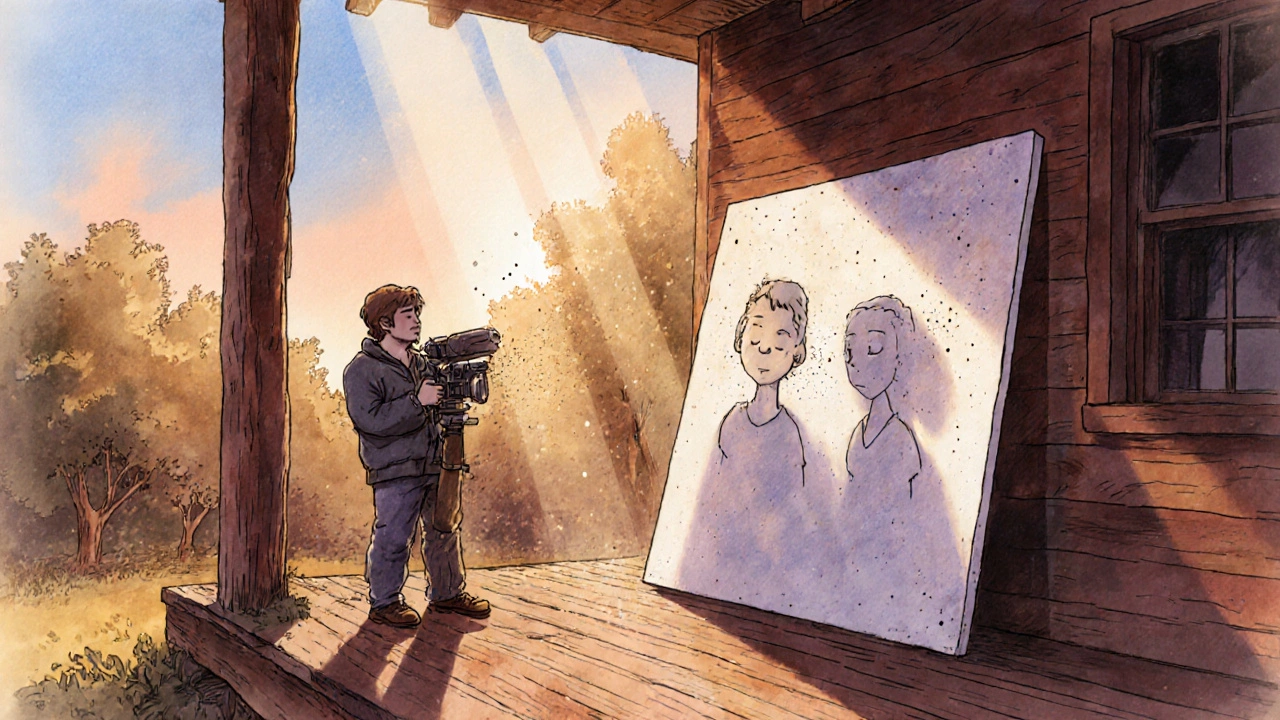
Natural Light Cinematography: Master Golden Hour, Negative Fill, and Bounce for Stunning Footage
Learn how to use golden hour, negative fill, and bounce light to create cinematic footage without artificial lights. Master natural light cinematography with practical tips and real-world examples.