
Lossless Audio Devices: What They Are and Why They Matter for True Sound
When you play music through a lossless audio device, a piece of hardware designed to reproduce audio without removing any data from the original recording. Also known as high-resolution audio gear, it doesn’t cut corners—it plays back every bit of sound the studio recorded, from the faintest cymbal shimmer to the breath between vocal phrases. Most streaming services and cheap headphones compress audio to save space or bandwidth, but lossless devices keep it all. That’s not marketing fluff. It’s the difference between hearing a song and experiencing it.
True lossless playback requires three things: the right file, the right player, and the right output. Files like FLAC, a widely used, open-source format that compresses audio without losing quality and WAV, an uncompressed format that stores raw audio data exactly as recorded are the foundation. But if your speaker, headphone amp, or DAC (digital-to-analog converter) can’t handle those files properly, you’re still not getting the full picture. A $500 pair of headphones won’t help if your phone is sending 128kbps MP3s through Bluetooth. The chain breaks at the weakest link.
People who care about this aren’t audiophiles with a thousand-dollar setup—they’re just listeners who noticed something was missing. Maybe it was the clarity in Joni Mitchell’s voice on "Both Sides Now," or how the bass in Radiohead’s "Idioteque" didn’t just thump but pulsed. That’s not imagination. That’s detail preserved. Lossless audio isn’t about bragging rights. It’s about listening the way the artist and engineer meant you to. And with more services like Tidal, Apple Music, and Amazon Music Unlimited offering lossless tiers, you don’t need to hunt down CDs or rip your own discs anymore.
What you’ll find in the posts below isn’t a list of the most expensive gear. It’s real-world advice on what actually makes a difference. You’ll see how lossless audio devices interact with your existing setup, whether your TV or streaming box can even handle high-res files, and which apps and connections actually deliver clean sound without extra cost. From simple USB DACs that plug into your laptop to smart speakers that finally get the details right, these posts cut through the noise—literally—and show you what works, what doesn’t, and why you might not need to spend a fortune to hear music the way it was meant to be heard.
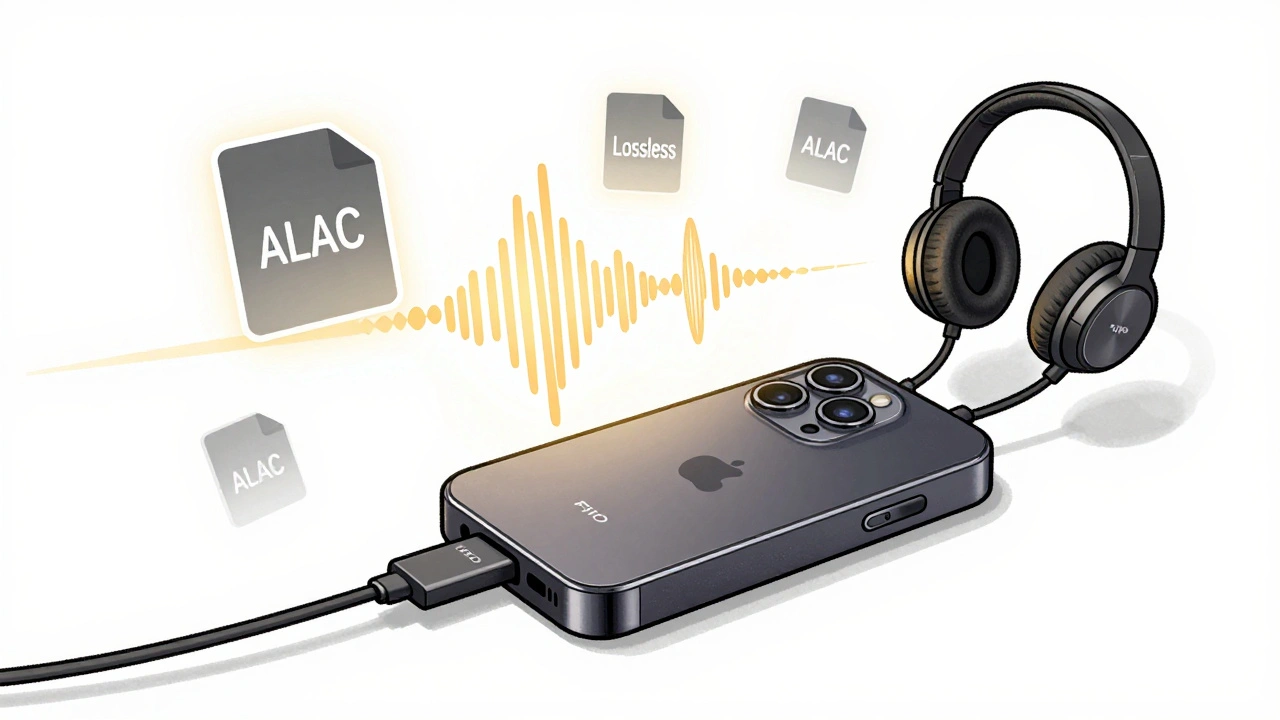
Apple Music Lossless Devices: What Hardware Supports ALAC
Find out which devices actually play Apple Music Lossless in ALAC format. Learn what hardware supports true high-res audio and how to avoid common mistakes that ruin the experience.