
Natural Light Cinematography: How Sunlight Shapes Realistic Film Moments
When you watch a scene where sunlight spills through a window, catches dust in the air, or glows softly on a character’s face without a single artificial lamp in sight—that’s natural light cinematography, the art of using only available sunlight or ambient outdoor light to shoot film. Also known as daylight shooting, it’s not just a style—it’s a philosophy that values truth over control, and emotion over perfection. This approach strips away the polished look of studio lighting and lets the world speak for itself. Think of the quiet tension in a scene from Manchester by the Sea, where late afternoon light fades slowly over a kitchen table, or the golden haze in The Revenant that feels less like a set and more like a living, breathing landscape. These moments don’t feel staged because they weren’t. They were caught.
Natural light cinematography doesn’t mean shooting randomly. It demands precision in timing, patience in waiting, and deep understanding of how sunlight behaves. A director of photography might wait hours for the right angle of sun to hit a character’s eyes just before sunset, or use a white reflector to bounce soft light onto a face without adding a lamp. It’s the opposite of studio lighting, where every bulb is controlled. Here, the sun is the star, and the crew adapts. This technique often pairs with handheld cameras and minimal gear, making it ideal for indie films, documentaries, and stories that need to feel raw and immediate. It’s why films like Boyhood or Blue Valentine carry such emotional weight—the light feels real because it is real.
Related to this is cinéma vérité, a documentary style that captures unscripted truth by observing without interference. While not the same as natural light shooting, both share a core belief: authenticity comes from letting things happen naturally. And just like shot listing, a detailed plan for camera setups that ensures every frame serves the story, natural light cinematography requires careful planning—just not in the way you’d expect. You don’t plan where to put lights. You plan when to be there. You track the sun’s path across a location over days. You learn how clouds change the mood. You know that 45 minutes before sunset, the light turns liquid gold, and that’s when the scene must happen.
What you’ll find in this collection isn’t just a list of movies shot in natural light. It’s a look at how filmmakers use sunlight as a character—sometimes gentle, sometimes harsh, always honest. You’ll see how directors like Denis Villeneuve use it to build silence and scale, how documentary crews rely on it to capture unguarded moments, and why some of the most powerful scenes in film never had a single lamp turned on. This isn’t about gear or budgets. It’s about seeing the world as it is, and letting the camera follow.
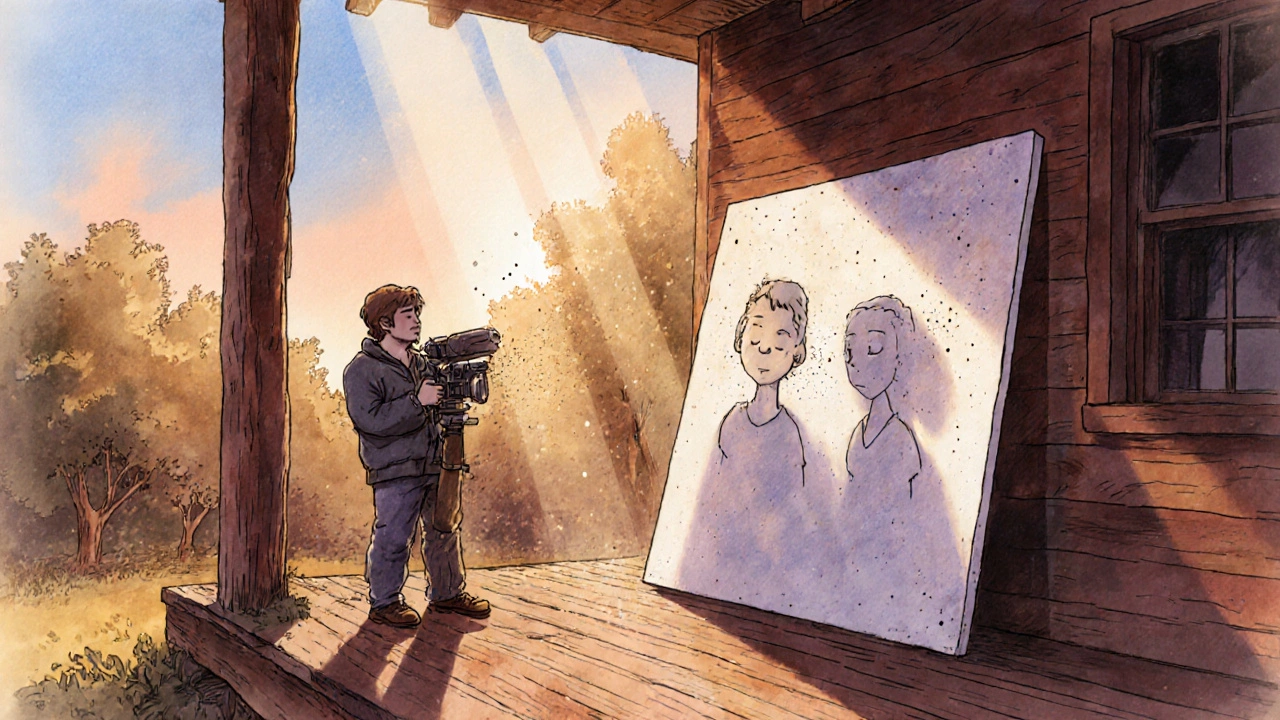
Natural Light Cinematography: Master Golden Hour, Negative Fill, and Bounce for Stunning Footage
Learn how to use golden hour, negative fill, and bounce light to create cinematic footage without artificial lights. Master natural light cinematography with practical tips and real-world examples.