
Negative Fill in Film: How Shadows Shape Storytelling
When you watch a scene where a character’s face is half-lit while the other side disappears into darkness, that’s not an accident—it’s negative fill, a lighting technique that uses absence of light to define form, mood, and focus in film. Also known as black fill, it’s the deliberate blocking or absorption of light to create contrast, depth, and emotional weight without adding more illumination. Unlike fill light, which softens shadows, negative fill deepens them. It’s not about what’s lit—it’s about what’s kept in the dark.
This technique shows up everywhere in serious cinema. Think of Denis Villeneuve’s Arrival, where the cold, shadowed interiors mirror the characters’ emotional isolation. Or the way Blade Runner 2049 uses negative fill to make Ryan Gosling’s face look like a ghost haunting his own memories. It’s not just aesthetics—it’s psychology. Negative fill tells the viewer where to look, what to feel, and what to fear. It’s used by cinematographers to guide attention, heighten tension, and avoid visual clutter. In Medications That Affect Memory and Focus, we talk about how the brain processes incomplete information—negative fill works the same way. Your mind fills in the gaps, and that’s where the real emotion lives.
It’s not just for arthouse films. Even in genre work, like the Evil Dead remake or found-footage horror films, negative fill makes the unseen more terrifying. If you can’t see what’s coming, your imagination does the work. Directors and DPs use it to reduce the need for expensive lighting rigs, save time on set, and create a more natural look. It’s a staple in cinéma vérité, a documentary style that relies on natural light and unobtrusive filming, where adding extra lights would break the illusion of reality. It’s also critical in shot listing, the planning process where every camera angle is mapped out before filming—because if you don’t plan where the shadows fall, you lose control of the story.
What you’ll find below isn’t just a list of articles. It’s a collection of pieces that show how light—and the lack of it—shapes everything from child-safe streaming interfaces to the emotional core of a film. Whether you’re a filmmaker, a parent setting up parental controls, or just someone who notices how a scene makes you feel, negative fill is working behind the scenes. You don’t need a degree in cinematography to see its power. You just need to pay attention to the dark.
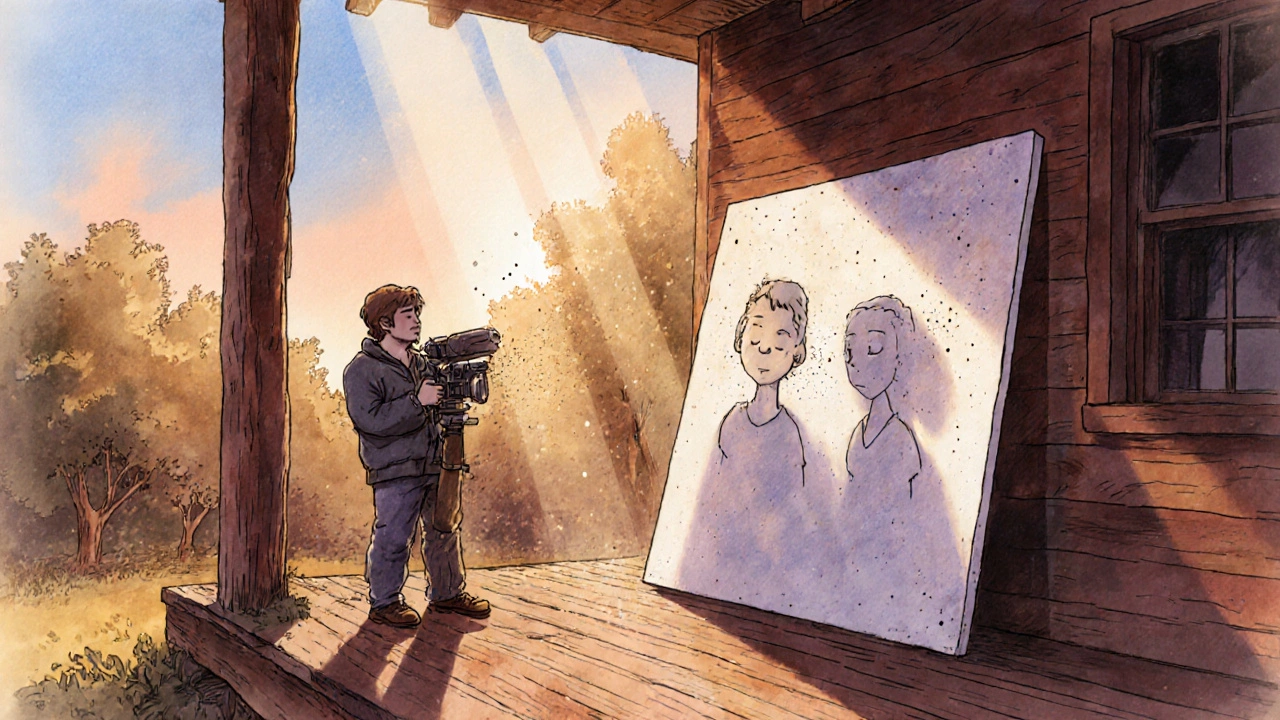
Natural Light Cinematography: Master Golden Hour, Negative Fill, and Bounce for Stunning Footage
Learn how to use golden hour, negative fill, and bounce light to create cinematic footage without artificial lights. Master natural light cinematography with practical tips and real-world examples.