
Nelson Pereira dos Santos
When you think of Nelson Pereira dos Santos, a foundational figure in Brazilian cinema who brought street-level truth to the screen. Also known as the father of Cinema Novo, he didn’t just make movies—he built a new way of seeing Brazil. His films didn’t wait for permission. They grabbed cameras, went into favelas, and showed lives the world ignored. This wasn’t escapism. It was evidence.
Nelson didn’t use fancy lights or studio sets. He used sunlight, real people, and the noise of Rio’s streets. His 1962 film Vidas Secas didn’t just tell a story about drought and survival—it made you feel the dust in your throat. That’s the power of realism in film as he practiced it: no symbolism, no grand speeches, just the weight of a life barely holding on. He showed how poverty wasn’t a backdrop—it was the main character. And he did it before Hollywood even noticed Latin America existed. His work influenced directors across continents because he proved you didn’t need millions to make something unforgettable.
He didn’t just film Brazil—he argued for it. His movies were political not because they shouted slogans, but because they refused to look away. When other filmmakers chased awards with epic battles and star-studded casts, Nelson turned his lens to a boy selling oranges, a mother waiting for rain, a man walking miles for work. That’s why Brazilian cinema has such a distinct voice today: because he started with honesty, not spectacle. His legacy isn’t just in the films he made, but in the filmmakers he inspired to keep cameras rolling where others turned off the lights.
What you’ll find below are posts that echo his spirit—films that cut through noise, stories that breathe real life, and directors who learned from his example. Whether it’s the quiet power of vérité, the weight of social truth, or the courage to film the unseen, you’ll see his fingerprints everywhere.
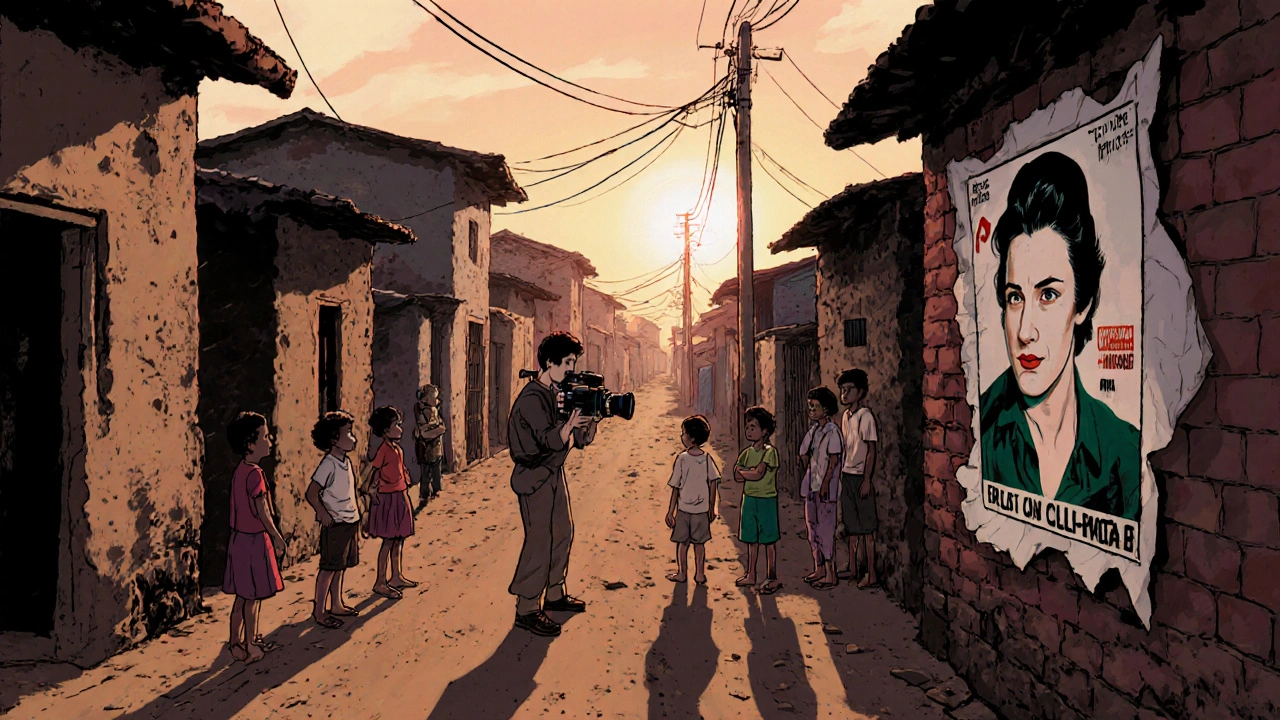
Brazilian Cinema: From Cinema Novo to Modern Social Drama
From the raw revolution of Cinema Novo to today’s sharp social dramas, Brazilian cinema has never shied away from truth. Discover how filmmakers turned poverty, politics, and silence into powerful stories that still resonate worldwide.