
New Wave in Film: Groundbreaking Movements That Changed Cinema
When we talk about New Wave, a revolutionary film movement that rejected traditional studio storytelling in favor of raw, personal, and experimental cinema. Also known as French New Wave, it didn’t just change how movies looked—it changed how they felt. Directors like Jean-Luc Godard and François Truffaut didn’t wait for permission. They grabbed cameras, used natural light, shot on location, and told stories about real people with real messiness. This wasn’t just a style—it was a rebellion.
The New Wave didn’t stay in France. Its DNA spread everywhere. You see it in the handheld shots of indie films today, in the jump cuts that make you feel the rhythm of a character’s thoughts, in the way directors now trust the audience to piece things together without exposition. It’s why a movie like Mad Max: Fury Road can feel so alive even without a single studio script doctor. It’s why directors like Denis Villeneuve build entire films around silence and atmosphere instead of dialogue. The New Wave taught us that emotion doesn’t need big budgets—it needs honesty. And that’s why it still matters.
It also changed how films get made. Before New Wave, studios controlled everything: casting, editing, release dates. After? A single person with a camera and a vision could make something that moved the world. That’s the same spirit behind today’s low-budget color grading, DIY sound design, and filmmakers pushing boundaries on platforms like Criterion Channel or streaming services that now prioritize director-driven content. The tools are different now—smartphones instead of 16mm film—but the mindset? Still the same. You don’t need a studio. You just need something to say.
And that’s what this collection is about. You’ll find guides on how to shoot with natural light like a New Wave filmmaker, deep dives into directors who carry that torch today, and breakdowns of films that turned personal stories into global moments. Whether you’re curious about Brazilian Cinema’s social rawness, the quiet power of ensemble dramas, or how horror remakes channel that same fearless energy, you’re seeing the New Wave’s legacy—not as a relic, but as a living practice. These aren’t just articles. They’re instructions on how to keep the movement alive, one frame at a time.
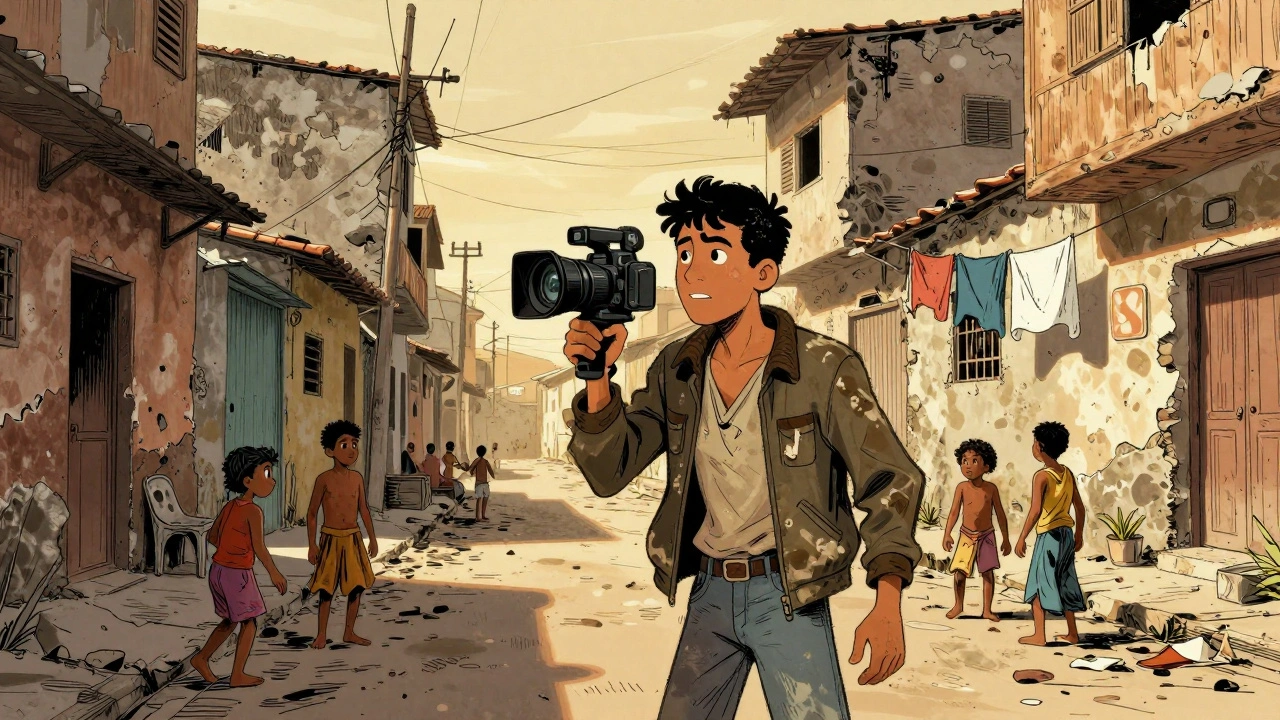
Latin American New Wave: From City of God to Roma
From the raw streets of Rio to the quiet courtyards of Mexico City, Latin American New Wave cinema gave voice to the voiceless. City of God and Roma are two landmark films that changed global cinema with truth, not spectacle.